 Bosnia and Herzegovina : Safety by City
Bosnia and Herzegovina - safety as a country
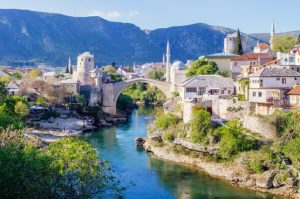
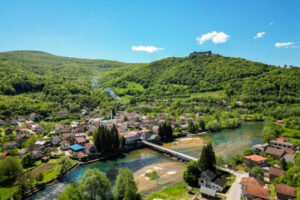
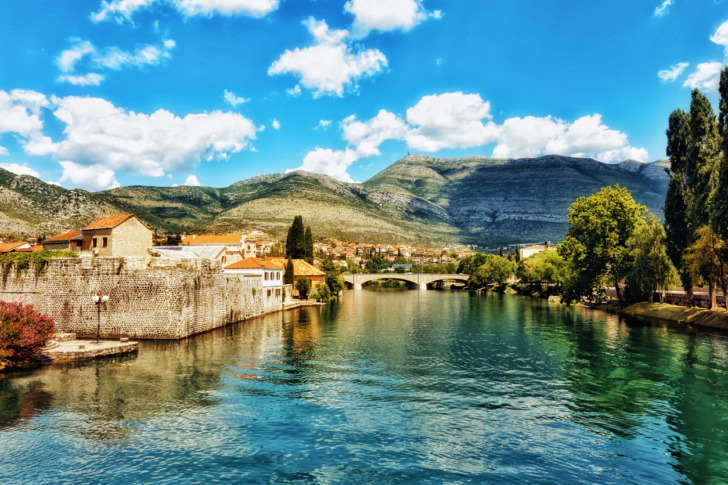
Trebinje is one of Bosnia and Herzegovina’s most pleasant small cities, tucked into the country’s far south near the borders with Croatia and Montenegro.
Built along the Trebišnjica River and surrounded by limestone hills, vineyards, monasteries, and Mediterranean-looking countryside, it feels closer in atmosphere to nearby Dubrovnik than to the mountainous interior of Bosnia.
The compact old town, stone bridges, cafés shaded by plane trees, and surrounding wine country make Trebinje an easy place to slow down for a few days.
It is also much quieter than Sarajevo or Mostar.
For travelers, that usually means good news: violent crime is uncommon, and the center feels relaxed.
The main concerns are road safety, summer heat, petty theft, unexploded wartime ordnance in remote areas, and occasionally tense regional politics.
Warnings & Dangers in Trebinje

OVERALL RISK: LOW
Trebinje is generally safe for tourists. Violent crime involving visitors is uncommon, the central area is compact, and locals are accustomed to travelers arriving from Croatia and Montenegro. Normal precautions are enough for most stays. Greater attention should be given to rural driving, summer heat, isolated hiking areas, and remaining on established paths outside populated areas.

TRANSPORT & TAXIS RISK: MEDIUM
Taxis are generally safe, but fares should be confirmed before departure when no meter is being used. Roads outside Trebinje can be narrow, winding, and poorly lit. Driving at night requires extra care because of sharp bends, animals, motorcycles, and limited shoulders. Mountain and border roads should be approached conservatively.

PICKPOCKETS RISK: LOW
Pickpocketing is uncommon in Trebinje. The town simply does not have the dense tourist crowds seen in major European capitals. Petty theft can still happen around bus stations, markets, festivals, and busy cafés. Keep phones and wallets secure and avoid leaving bags unattended on restaurant chairs or inside unlocked vehicles.

NATURAL DISASTERS RISK: MEDIUM
Trebinje can experience earthquakes, wildfires, heatwaves, thunderstorms, and occasional flooding. Summer fires are a particular concern in the dry surrounding hills. Travelers hiking or driving through rural areas should avoid active fire zones and follow local road closures. Strong summer heat can also become dangerous during midday sightseeing.

MUGGING RISK: LOW
Mugging is rare in Trebinje, especially around the old town, riverside, and central restaurant areas. Visitors should still avoid poorly lit outskirts or isolated riverside paths late at night. Carry limited cash, keep valuables discreet, and use a taxi if your accommodation is far from the center.

TERRORISM RISK: LOW
The terrorism risk in Trebinje is low. The city is not a major international target and has no recent pattern of terrorism affecting tourists. Regional political tensions occasionally make headlines in Bosnia and Herzegovina, but these rarely translate into direct danger for travelers visiting Trebinje.

SCAMS RISK: LOW
Tourist scams are uncommon. Visitors may encounter inflated taxi prices, unclear tour costs, or poor exchange rates, but aggressive scams are rare. Confirm prices before accepting rides or excursions and use established accommodation providers. Be cautious with private rentals that request unusual advance-payment methods.

WOMEN TRAVELERS RISK: LOW
Trebinje is generally safe for women traveling alone. The old town, central streets, cafés, and riverside are comfortable during daylight and early evening. Solo women should still avoid isolated paths after dark, watch their drinks, use trusted taxis late at night, and share hiking plans before entering remote areas.

TAP WATER RISK: LOW
Tap water in Trebinje is generally safe to drink. Travelers can usually refill reusable bottles without issue. During unusually hot weather, drink more than you think you need because the dry Mediterranean-style climate can cause dehydration quickly. If staying in a remote rural property, ask the host about the water source.
Safest Places to Visit in Trebinje
Trebinje Old Town
The old town is one of the safest and most enjoyable areas for visitors.
Stone streets, cafés, restaurants, churches, and shaded squares keep the area active throughout the day.
It is compact enough to explore on foot, and serious crime is rare.
Keep normal control of your belongings during festivals and busy summer evenings.
Arslanagić Bridge
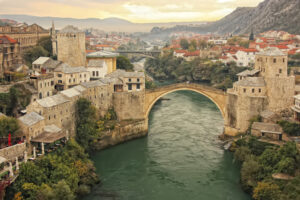
The historic Arslanagić Bridge is one of Trebinje’s most recognizable landmarks and a peaceful place to walk or photograph the river.
The surrounding paths are generally safe during daylight.
Be careful near the water after rain and avoid walking alone on quieter river paths late at night.
Hercegovačka Gračanica
This hilltop Orthodox monastery overlooks Trebinje and offers one of the best panoramic views in the region.
It is a popular and generally safe sightseeing stop.
The road is steep in places, so driving carefully is important.
Dress respectfully, keep voices low, and avoid disrupting religious services.
Tvrdoš Monastery
Tvrdoš Monastery, a few kilometers outside the city, is known both for its religious importance and wine production.
It is an established visitor attraction and easy to reach by car.
Visitors should dress modestly and follow monastery rules.
Wine tasting and driving should obviously not be combined.
Central Riverside and Café Areas
Trebinje’s riverside cafés, central parks, and restaurant streets are among the city’s safest places to spend an evening.
These areas remain active without becoming chaotic.
Families, couples, and solo travelers should feel comfortable here, particularly during the busy spring and summer months.
Places to Avoid in Trebinje
There Are No Major Tourist No-Go Neighborhoods
Trebinje does not have a recognized dangerous district that tourists need to avoid.
Most parts of the city are residential and calm.
The more important risks are found outside the city, where unexploded wartime ordnance, remote terrain, fire danger, and poor roads can become concerns.
Unmarked Rural Land
Bosnia and Herzegovina still has areas contaminated by landmines and unexploded ordnance left from the 1990s war.
Trebinje itself and established tourist areas are safe, but travelers should never wander through unmarked fields, abandoned military areas, ruins, or remote countryside without local guidance.
Stay on recognized roads and hiking paths.
Remote Hills During Wildfire Conditions
The dry hills surrounding Trebinje can experience wildfires during hot summers.
Avoid hiking when smoke, fire warnings, or emergency closures are present.
Do not drive onto closed rural roads to get a better view of a fire.
Isolated River Paths After Dark
The Trebišnjica River is beautiful during the day, but quieter stretches become isolated after sunset.
Use the busier central riverside areas at night and avoid remote paths unless you are with other people.
Abandoned Buildings and War Ruins
Do not enter abandoned buildings, former military sites, or damaged structures.
Apart from unstable floors and roofs, some remote areas may contain unexploded wartime material.
If a place looks abandoned and unofficial, admire it from a safe distance.
Mountain Roads in Bad Weather
Roads through Herzegovina can be steep, winding, and exposed.
Fog, heavy rain, ice, or strong wind can make them difficult.
Avoid unfamiliar mountain roads at night or during severe weather, especially when driving toward Montenegro or remote villages.
Safety Tips for Traveling to Trebinje
- Stay on established paths outside the city. This is one of the most important rules for rural travel in Bosnia and Herzegovina. Although Trebinje’s normal tourist routes are safe, unexploded wartime ordnance remains in some remote areas. Do not cut across empty fields, abandoned land, or unmarked forest tracks.
- Drive carefully on mountain roads. Trebinje is surrounded by hilly terrain, and roads toward Montenegro, Mostar, and rural attractions can include sharp bends, narrow lanes, and limited lighting. Slow down, avoid unnecessary overtaking, and complete longer journeys during daylight whenever possible.
- Avoid midday heat in summer. July and August can become extremely hot. Plan sightseeing in the morning and late afternoon, carry water, wear sunscreen, and take breaks in shaded cafés. The stone streets and exposed hilltop attractions can make the heat feel stronger than the temperature suggests.
- Watch for wildfire warnings. Dry summers can create serious fire conditions around Herzegovina. If local authorities close a road, trail, or countryside area, respect the restriction. Smoke can reduce visibility quickly, and rural fires may change direction with strong wind.
- Keep valuables out of parked cars. Vehicle break-ins are not a major problem, but tourists should still avoid leaving luggage, cameras, passports, or electronics visible. Store valuables at your accommodation or carry them with you when stopping at viewpoints or rural attractions.
- Use trusted taxis at night. Trebinje is walkable, but accommodation outside the center may require transportation. Ask restaurants or hotels to call a taxi and confirm the approximate fare. Avoid long walks on dark roads with little pedestrian infrastructure.
- Be respectful at religious sites. Trebinje has important Orthodox churches and monasteries. Dress modestly, keep voices low, and ask before photographing clergy or worshippers. Avoid political or religious jokes, especially when discussing the region’s recent history.
- Do not drink and drive on wine tours. Trebinje is surrounded by vineyards and wineries, and local Vranac and Žilavka wines are part of the experience. Use a driver or organized tour if you plan to taste several wines. Police conduct alcohol checks, and the mountain roads are unforgiving.
- Check border conditions before day trips. Trebinje is close to both Croatia and Montenegro, making international day trips tempting. Bring your passport and rental-car documentation and allow extra time for summer border traffic. Insurance and rental agreements should explicitly permit cross-border driving.
- Carry proper travel insurance. A good policy should cover medical treatment, road accidents, theft, hiking, trip interruption, and emergency evacuation. If you plan to cycle, hike, climb, or participate in adventure activities, check that those activities are included rather than assuming standard coverage applies.
So... How Safe Is Trebinje Really?
Trebinje is one of Bosnia and Herzegovina’s easier destinations from a personal-safety perspective.
It is small, relaxed, and far less hectic than Sarajevo, while also avoiding the heavy tourist crowds that can make places like Dubrovnik more attractive to pickpockets.
Violent crime against tourists is uncommon.
Most visitors spend their time walking around the old town, eating in cafés, visiting monasteries, tasting wine, and exploring the surrounding countryside without encountering serious problems.
The main safety issue unique to Bosnia and Herzegovina is the legacy of the 1990s war.
Landmines and unexploded ordnance remain in some rural parts of the country.
Established roads, cities, tourist attractions, and marked hiking routes are generally safe, but wandering across unfamiliar countryside is not recommended.
Driving is another important concern.
Roads can be narrow, fast, and winding, particularly when heading into the mountains or toward international borders.
Summer heat and wildfires round out the main practical risks.
Overall, Trebinje earns a low risk rating.
It is well suited to couples, families, solo travelers, women traveling alone, and road-trippers exploring the Balkans.
Stick to established paths, drive defensively, respect the summer heat, and use normal city awareness.
How Does Trebinje Compare?
| City | Safety Index |
|---|---|
| Trebinje |
89 |
| Jajce |
90 |
| Bihac |
85 |
| Travnik |
88 |
| Mostar |
72 |
| Sarajevo |
65 |
| Tuzla |
84 |
 Billings Billings | 58 |
 Makati Makati | 60 |
| Kettering | 71 |
| Kettle Falls | 78 |
 Cotonou Cotonou | 65 |
| Chandler | 64 |
Useful Information

Visas
Bosnia and Herzegovina allows citizens of many countries, including the United States, United Kingdom, Canada, Australia, and European Union countries, to visit visa-free for up to 90 days within a 180-day period. Travelers who require a visa should arrange it before arrival. Carry a passport valid for the duration required for your nationality.

Currency
Trebinje uses the Bosnia and Herzegovina convertible mark. Euros may occasionally be accepted by tourism businesses, but local currency is preferable. Cards work at many hotels, restaurants, and supermarkets, while cash remains useful for cafés, taxis, small wineries, and rural businesses. Bank ATMs are available in the center.

Weather
Trebinje has a warmer, more Mediterranean climate than much of Bosnia. Summers are hot and dry, with temperatures often exceeding 30°C, while winters are relatively mild but wet. Spring and autumn are excellent for sightseeing. Pack sunscreen, light clothing, water, and a hat in summer, plus rain protection outside the driest months.

Airports
Dubrovnik Airport in Croatia is geographically the closest major airport, although crossing an international border is required to reach Trebinje. Mostar and Tivat airports are also practical options depending on available flights. Private transfers and rental cars are common, but border-crossing permission should be confirmed with rental companies beforehand.

Travel Insurance
Travel insurance is recommended for Trebinje, particularly if you plan to drive, hike, cycle, or make cross-border trips. Choose coverage for medical treatment, emergency transportation, vehicle accidents, lost baggage, theft, cancellations, and outdoor activities. Make sure Bosnia and Herzegovina and any neighboring countries on your itinerary are included.
Trebinje Weather Averages (Temperatures)
Average High/Low Temperature
| Temperature / Month | Jan | Feb | Mar | Apr | May | Jun | Jul | Aug | Sep | Oct | Nov | Dec |
|---|---|---|---|---|---|---|---|---|---|---|---|---|
| High °C |
8 | 10 | 14 | 17 | 22 | 26 | 28 | 29 | 24 | 19 | 14 | 9 |
| Low °C |
2 | 2 | 4 | 7 | 11 | 16 | 18 | 18 | 14 | 10 | 6 | 3 |
| High °F |
46 | 50 | 57 | 63 | 72 | 79 | 82 | 84 | 75 | 66 | 57 | 48 |
| Low °F |
36 | 36 | 39 | 45 | 52 | 61 | 64 | 64 | 57 | 50 | 43 | 37 |
Bosnia and Herzegovina - Safety by City
| City | Safety Index |
|---|---|
| Banja Luka | 60 |
| Bihac | 85 |
| Jajce | 90 |
| Mostar | 72 |
| Sarajevo | 65 |
| Travnik | 88 |
| Trebinje | 89 |
| Tuzla | 84 |