 Bosnia and Herzegovina : Safety by City
Bosnia and Herzegovina - safety as a country
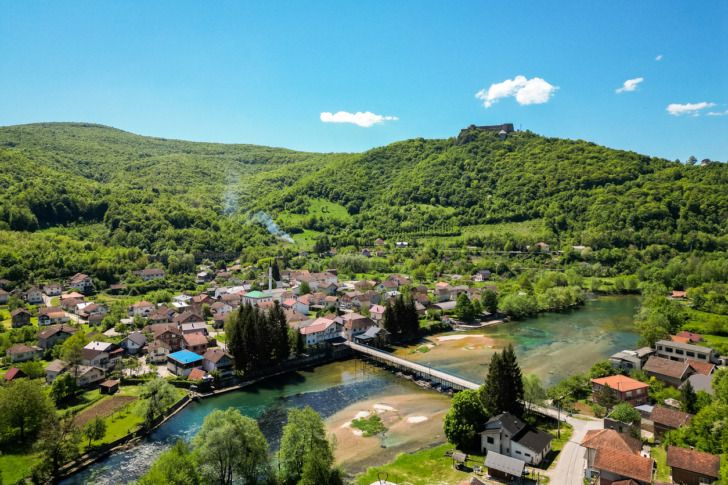
Bihać sits in northwestern Bosnia and Herzegovina, wrapped around the brilliant green Una River and surrounded by forested hills close to the Croatian border.
It is the main city of the Una-Sana Canton and one of the best bases for exploring Una National Park, where waterfalls, rapids, river islands, and rafting routes make this corner of Bosnia feel almost purpose-built for outdoor travel.
The city itself mixes Ottoman, Austro-Hungarian, Yugoslav, and modern influences, with landmarks such as Fethija Mosque and Captain’s Tower sitting close to riverside cafes and walking paths.
Bihać generally feels relaxed and friendly, and serious crime against tourists is uncommon.
However, road safety, river activities, unexploded landmines in some rural areas, petty theft, and Bosnia’s wider security concerns mean visitors should not become completely careless.
Warnings & Dangers in Bihac

OVERALL RISK: MEDIUM
Bihać itself is relatively safe, but Bosnia and Herzegovina carries broader concerns involving crime, terrorism, and remaining landmines from the 1990s war. Travelers who stay in the city, use established roads, and visit recognized attractions face considerably less risk. Rural exploration requires more caution than ordinary sightseeing.

TRANSPORT & TAXIS RISK: MEDIUM
Taxis and buses are generally safe, but road travel is a bigger concern. Rural roads can be narrow, poorly lit, winding, or affected by winter weather. Driving after dark is less advisable because of limited lighting, pedestrians, animals, and aggressive overtaking. Use registered taxis and always wear a seat belt.

PICKPOCKETS RISK: LOW
Pickpocketing is not a major problem in Bihać, although opportunistic theft can occur around bus stations, markets, festivals, crowded cafes, and major summer events. Keep phones and wallets secure and avoid leaving bags unattended. Theft from parked vehicles is a more realistic concern at remote tourist stops.

NATURAL DISASTERS RISK: MEDIUM
Flooding, heavy rain, thunderstorms, snow, landslides, and summer heat are the main natural hazards. The Una River can rise significantly after prolonged rain, while winter conditions may make regional roads icy. Never enter flooded roads or attempt river activities when local operators consider water levels unsafe.

MUGGING RISK: LOW
Muggings are uncommon in central Bihać. Visitors can generally walk through the city center and riverside areas comfortably during the day and evening. Risk rises on isolated roads and in poorly lit areas late at night. Avoid displaying expensive jewelry or carrying unnecessarily large amounts of cash.

TERRORISM RISK: MEDIUM
Bosnia and Herzegovina maintains an elevated terrorism concern even though Bihać itself is not considered a particular hotspot. Potential targets could include public events, transportation facilities, religious sites, shopping areas, and government buildings. Ordinary situational awareness is appropriate, especially during large festivals or crowded gatherings.

SCAMS RISK: LOW
Tourist scams are uncommon in Bihać. Minor issues can include inflated taxi fares, unofficial rafting offers, unclear excursion pricing, or poor currency exchange rates. Confirm prices before accepting services and use established rafting companies, accommodations, and transportation providers rather than random offers from strangers.

WOMEN TRAVELERS RISK: LOW
Bihać is generally safe for women traveling alone. Central streets, restaurants, riverside areas, and major attractions are comfortable during normal hours. Women should still avoid isolated rural roads and trails after dark, watch drinks during nightlife, and use trusted transportation for late journeys.

TAP WATER RISK: LOW
Tap water in Bihać is generally safe to drink, and Bosnia has abundant freshwater resources. Most travelers can use it normally for drinking, cooking, and brushing their teeth. After severe flooding or unusual local disruptions, follow any temporary municipal advice and use bottled water if instructed.
Safest Places to Visit in Bihac
Bihać City Center
Central Bihać is the easiest and safest area for first-time visitors.
Restaurants, cafes, shops, hotels, historic buildings, and pedestrian activity keep the center lively throughout the day.
The streets around the Una River are particularly enjoyable for walking.
Normal precautions with phones and wallets are sufficient.
Fethija Mosque
Fethija Mosque is one of Bihać’s most unusual historical buildings.
Originally constructed as a medieval Catholic church, it was converted into a mosque during the Ottoman period.
The surrounding central area is safe during daylight.
Dress respectfully, avoid interrupting prayers, and ask before photographing worshippers.
Una National Park
Una National Park is the region’s star attraction, protecting rivers, waterfalls, forests, villages, and spectacular sites such as Štrbački Buk.
Official visitor areas and established trails are generally safe.
Stay on marked routes because wandering into remote woodland can introduce risks involving difficult terrain and potentially unexploded mines.
Štrbački Buk
Štrbački Buk is one of the most impressive waterfalls on the Una River and a highlight of any Bihać trip.
Managed viewpoints and walking areas make the main visitor section relatively safe.
Wear shoes with good grip, obey barriers, and never climb down toward powerful water for photographs.
Japodski Otoci
Japodski Otoci, near Račić, is a scenic riverside recreation area built around small islands in the Una.
It offers accommodation, restaurants, bridges, and beautiful river scenery.
It is generally safe for daytime and overnight visits.
Children should still be watched carefully around water, particularly when river levels are high.
Places to Avoid in Bihac
Unmarked Rural Trails
This is the most important area-related warning around Bihać.
Bosnia and Herzegovina still contains landmines and unexploded ordnance left from the 1990s conflict.
Do not leave established roads or marked hiking trails in unfamiliar rural areas.
Never ignore mine-warning signs, fences, or advice from local residents.
Abandoned Buildings and War Ruins
Abandoned structures may look interesting to photographers or urban explorers, but they can contain unstable floors, broken glass, unexploded ordnance, or other hazards.
Stay out unless a site has been officially developed for visitors.
A ruined building is not automatically a historical attraction.
Remote Forest Roads After Dark
The countryside around Bihać is beautiful, but forest roads can become difficult to navigate after dark.
Lighting is limited, mobile reception may weaken, animals may enter the road, and roadside assistance can take time.
Plan rural excursions so you return before nightfall.
Una River During High Water
The Una is famous for rafting, kayaking, and swimming, but its character changes after heavy rain.
Strong currents, submerged obstacles, and cold water can become dangerous even for experienced swimmers.
Avoid unofficial swimming spots when the river is high and follow professional rafting operators’ decisions about cancellations.
Bus Station Surroundings Late at Night
Bihać’s bus station is not a dangerous zone, but transport areas naturally become less comfortable when services slow down and businesses close.
Travelers arriving late with luggage should move directly toward their accommodation or arrange a taxi rather than wandering unfamiliar surrounding streets.
Safety Tips for Traveling to Bihac
- Never ignore landmine warnings. Bosnia’s remaining landmines are one of the few risks that can turn a harmless-looking countryside walk into something genuinely dangerous. Stay on paved roads, established tracks, marked hiking routes, and maintained tourist areas. Never enter woodland or abandoned land because it looks like a convenient shortcut.
- Use established rafting companies. Rafting the Una is one of the best experiences around Bihać, but water conditions vary dramatically. Established operators provide helmets, life jackets, trained guides, and suitable equipment. Listen to the safety briefing and do not pressure an operator to run a trip when high water or weather makes conditions unsafe.
- Drive during daylight when possible. Bosnian regional roads can be narrow and winding, with limited lighting and occasional aggressive overtaking. Rural roads may also have pedestrians, cyclists, tractors, or animals. Long-distance and national park travel is easier and safer when completed before dark.
- Keep valuables out of parked cars. Trailheads, waterfalls, river access points, and remote parking areas are places where visitors may leave vehicles unattended for hours. Do not leave passports, cameras, laptops, wallets, or visible luggage inside. Take valuable items with you or secure them at your accommodation.
- Respect the Una River. The clear turquoise water can make the Una look gentler than it is. Rapids, cold temperatures, slippery rocks, underwater obstacles, and strong currents require caution. Swim only in recognized locations and never jump from unfamiliar rocks or bridges.
- Prepare for changing weather. Summer can be hot, while thunderstorms may arrive quickly. Autumn and spring bring more rain, and winter can be snowy and cold. Pack suitable layers, rain protection, and shoes with grip. Check weather conditions before driving into Una National Park or attempting longer outdoor activities.
- Carry some cash. Cards are increasingly accepted in Bihać, but smaller restaurants, rural guesthouses, parking facilities, markets, and local attractions may still prefer cash. Carry enough convertible marks for daily expenses without keeping all your money in one wallet.
- Avoid demonstrations. Political protests in Bosnia and Herzegovina are usually not directed at tourists, but they can block roads and occasionally become tense. If you encounter a demonstration, avoid the crowd rather than stopping to watch. This is particularly important around government buildings and major public squares.
- Do not explore abandoned military sites. The region around Bihać saw significant fighting during the Bosnian War. Remote military ruins, bunkers, former front lines, and abandoned compounds may still contain structural hazards or unexploded ordnance. Visit only sites that have been formally opened or cleared for tourism.
- Buy insurance that covers outdoor activities. Standard travel insurance may not automatically cover whitewater rafting, kayaking, mountain biking, or more challenging hiking. Read the activity exclusions carefully. Coverage should also include medical treatment, evacuation, road accidents, lost luggage, and cancellations caused by severe weather.
So... How Safe Is Bihac Really?
Bihać is safer on an everyday street level than Bosnia and Herzegovina’s overall international travel warnings might suggest.
It is a relatively small regional city where violent crime against tourists is uncommon, nightlife is modest, and the historic center feels comfortable throughout most of the day and evening.
Property crime deserves normal attention.
Opportunistic theft, vehicle break-ins, and pickpocketing can occur, particularly when tourists leave belongings unattended.
These risks are manageable with basic precautions.
The more unusual issue is landmines.
Bosnia and Herzegovina still contains mine-contaminated areas left from the 1992 to 1995 war.
Recognized attractions, paved roads, city streets, and maintained national park routes are not places where visitors need to panic about mines.
The risk becomes relevant when travelers leave marked routes, enter abandoned structures, or explore remote woodland without local knowledge.
Outdoor safety is equally important around Bihać.
The Una River supports rafting routes ranging from relatively gentle sections to much more demanding rapids.
Water levels, rainfall, and operator quality matter.
Road travel also deserves caution, especially at night and during winter.
My assessment is that Bihać deserves a medium overall risk rating because of Bosnia’s broader landmine and security concerns, even though local crime risk is fairly low.
Stay on established routes, use reputable rafting operators, secure your belongings, and Bihać is a very manageable destination.
How Does Bihac Compare?
| City | Safety Index |
|---|---|
| Bihac |
85 |
| Tuzla |
84 |
| Trebinje |
89 |
| Travnik |
88 |
| Banja Luka |
60 |
| Mostar |
72 |
| Jajce |
90 |
 Dortmund Dortmund | 74 |
 Rushville Rushville | 86 |
| Redwood City | 85 |
 Ad Dammam Ad Dammam | 67 |
| Shakopee | 81 |
 Agadir Agadir | 77 |
Useful Information

Visas
Citizens of the United States, United Kingdom, European Union countries, Canada, Australia, and many other nations can generally visit Bosnia and Herzegovina without a visa for up to 90 days within any 180-day period. Travelers who require a short-stay Visa C must apply before travel and provide supporting documents, including travel health insurance.

Currency
Bihać uses the Bosnia and Herzegovina convertible mark, abbreviated BAM or KM. The currency is fixed to the euro at approximately €1 to 1.96 KM. Cards work at many hotels, restaurants, and supermarkets, but cash remains useful for smaller cafes, markets, parking, and rural attractions.

Weather
Bihać has warm summers, cold winters, and significant rainfall throughout the year. Summer temperatures commonly reach the upper 20s Celsius, while winter can bring frost and snow. Pack light clothing and sunscreen in summer, rain protection in spring and autumn, and proper warm layers and waterproof footwear in winter.

Airports
Bihać does not currently have a major commercial passenger airport. Travelers commonly arrive through Zagreb, Banja Luka, Sarajevo, or Zadar and continue by road. Zagreb is often one of the most practical international gateways, although the journey involves crossing the Croatia and Bosnia and Herzegovina border.

Travel Insurance
Travel insurance is strongly recommended for Bihać. Choose coverage for medical treatment, emergency evacuation, road accidents, theft, cancellation, and outdoor activities. Anyone planning rafting, kayaking, hiking, or mountain biking should specifically confirm that those activities are covered rather than assuming they fall under an ordinary policy.
Bihac Weather Averages (Temperatures)
Average High/Low Temperature
| Temperature / Month | Jan | Feb | Mar | Apr | May | Jun | Jul | Aug | Sep | Oct | Nov | Dec |
|---|---|---|---|---|---|---|---|---|---|---|---|---|
| High °C |
4 | 6 | 11 | 16 | 21 | 25 | 27 | 28 | 22 | 17 | 10 | 4 |
| Low °C |
-3 | -1 | 1 | 5 | 8 | 12 | 14 | 14 | 10 | 6 | 2 | -1 |
| High °F |
39 | 43 | 52 | 61 | 70 | 77 | 81 | 82 | 72 | 63 | 50 | 39 |
| Low °F |
27 | 30 | 34 | 41 | 46 | 54 | 57 | 57 | 50 | 43 | 36 | 30 |
Bosnia and Herzegovina - Safety by City
| City | Safety Index |
|---|---|
| Banja Luka | 60 |
| Bihac | 85 |
| Jajce | 90 |
| Mostar | 72 |
| Sarajevo | 65 |
| Travnik | 88 |
| Trebinje | 89 |
| Tuzla | 84 |