Uyuni sits high on Bolivia’s Altiplano at roughly 3,650 meters above sea level, surrounded by one of the starkest landscapes in South America.
The town itself is small, dusty, cold at night, and mainly famous as the gateway to Salar de Uyuni, the world’s largest salt flat.
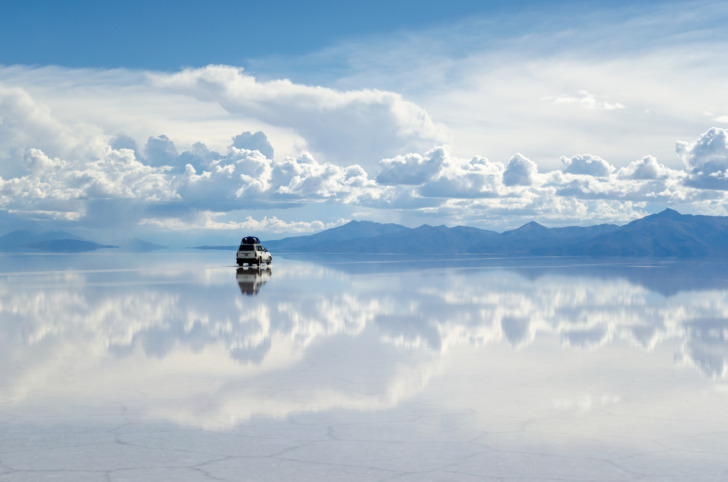
Travelers come for endless white horizons, mirror-like reflections during the rainy season, cactus-covered islands, colorful lagoons, volcanoes, flamingos, and multi-day 4×4 expeditions toward the Chilean border.
Uyuni is generally manageable for tourists, but it is not an effortless destination.
Altitude sickness, unreliable tour vehicles, extreme temperatures, remote roads, political blockades, theft, and limited medical facilities create real risks.
Preparation matters far more here than worrying about conventional street crime.
Warnings & Dangers in Uyuni

OVERALL RISK: MEDIUM
Uyuni has a medium overall risk. Most travelers complete salt-flat tours without serious problems, but Bolivia currently requires extra caution because of crime and civil unrest. Uyuni adds altitude, remote terrain, extreme cold, unreliable roads, and limited healthcare. Choosing a reputable tour company significantly improves the safety of a visit.

TRANSPORT & TAXIS RISK: MEDIUM
Transportation is one of Uyuni’s biggest risks. Long-distance buses travel on difficult roads, while salt-flat tours rely heavily on 4x4 vehicles operating far from towns. Mechanical problems, tired drivers, speeding, poor visibility, and alcohol use by drivers have caused accidents. Avoid overnight road travel when safer alternatives exist and research tour operators carefully.

PICKPOCKETS RISK: MEDIUM
Pickpocketing and bag theft can occur around Uyuni’s bus station, markets, railway areas, restaurants, and crowded tour departure points. Keep phones, wallets, cameras, and passports secure, particularly when loading luggage. Do not leave valuables unattended inside vehicles while stopping at viewpoints or restaurants.

NATURAL DISASTERS RISK: MEDIUM
Uyuni faces extreme cold, intense sun, altitude, thunderstorms, flash flooding, snow, and sudden weather changes. During the rainy season, water can cover large sections of the salt flat and make some routes inaccessible. Remote roads may also be affected by snow, mud, or flooding.

MUGGING RISK: MEDIUM
Mugging is not the defining danger in Uyuni, but robberies and express kidnappings occur in Bolivia. Avoid walking alone through quiet streets late at night or accepting rides from strangers. Use transport arranged through your hotel or recognized operator, especially when arriving at the bus station during nighttime hours.

TERRORISM RISK: LOW
Terrorism is a low risk in Uyuni. Bolivia’s more immediate security problems involve political unrest, roadblocks, crime, and demonstrations rather than international terrorism. Travelers should still stay away from government security operations, protests, and large gatherings that could become confrontational.

SCAMS RISK: MEDIUM
Tour-related scams are a realistic concern. Some agencies advertise better accommodation, newer vehicles, English-speaking guides, or smaller groups than they actually provide. Compare recent reviews, confirm exactly what is included, inspect the vehicle when possible, and avoid choosing a company solely because it offers the cheapest price in town.

WOMEN TRAVELERS RISK: MEDIUM
Uyuni is popular with solo women, and most visit successfully. However, nighttime streets, long bus rides, shared accommodation, and multi-day tours create situations where extra caution makes sense. Choose established operators, avoid isolated nighttime walking, control your drinks, and stay with the group during remote stops.

TAP WATER RISK: HIGH
Do not drink untreated tap water in Uyuni. Use sealed bottled water or properly purified water for drinking, and consider using it for brushing teeth if you have a sensitive stomach. On multi-day tours, confirm that enough safe drinking water is included because dehydration becomes especially problematic at high altitude.
Safest Places to Visit in Uyuni
Salar de Uyuni With a Reputable Tour
The salt flat is the region’s main attraction and can be visited safely with an experienced operator.
Organized tours follow known routes, carry supplies, and understand seasonal conditions.
The landscape looks simple, but navigation becomes difficult when the horizon disappears or water covers the salt.
Do not attempt a remote self-drive unless you have appropriate experience, maps, fuel, and emergency equipment.
Isla Incahuasi
Isla Incahuasi rises from the middle of the salt flat and is covered with enormous cacti.
Established walking paths and regular tour traffic make it one of the easier stops on a standard itinerary.
Altitude and strong sunlight remain concerns.
Walk slowly, drink water, and use sunscreen even when temperatures feel cool.
Train Cemetery
The famous train cemetery sits just outside Uyuni and is one of the easiest attractions to visit.
Rusting locomotives and railway equipment create excellent photographs, but climbing onto old machinery carries obvious risks.
Watch for sharp metal, unstable surfaces, and broken equipment.
Visit during daylight and keep belongings close when tour groups become crowded.
Central Uyuni
The streets around Plaza Arce, hotels, restaurants, agencies, and transport offices are generally the easiest places to stay and move around.
Central accommodation also reduces the need for long nighttime walks after arriving by bus or returning from tours.
Laguna Routes With Established Operators
Longer tours continue toward Laguna Colorada, Laguna Verde, geysers, volcanoes, and high-altitude desert landscapes.
These routes are spectacular but remote.
Experienced drivers, maintained vehicles, warm accommodation, emergency supplies, and enough drinking water are essential.
Places to Avoid in Uyuni
Uyuni does not have obvious tourist no-go neighborhoods.
The dangerous places are mainly remote routes, poorly organized tours, nighttime transport areas, and locations affected by political unrest or severe weather.
Remote Salt-Flat Routes Without a Guide
Do not assume the enormous flat surface makes navigation easy.
Distances are deceptive, phone reception can disappear, and vehicles can become stranded after mechanical problems or changing surface conditions.
Independent driving requires considerably more preparation than following a normal road.
Bus Station Area Late at Night
Uyuni receives overnight buses, meaning travelers sometimes arrive tired and disoriented before sunrise.
Avoid wandering around with luggage looking for accommodation.
Arrange a pickup or choose a nearby hotel and know exactly where you are going before arriving.
Political Roadblocks
Bolivia frequently experiences demonstrations and roadblocks that can interrupt highways without warning.
Never attempt to drive through protesters or force your way past a blockade.
Roadblocks can strand travelers for hours or days, so keep food, water, cash, and schedule flexibility available.
Salt Flat During Severe Weather
Lightning, intense rain, snow, fog, or deep seasonal water can make parts of the Salar unsafe.
Do not pressure a driver to continue because you have a specific photograph or itinerary in mind.
A reputable operator should be willing to change the route when conditions deteriorate.
Abandoned Mining and Industrial Areas
Old industrial structures may look interesting but can contain unstable buildings, open pits, sharp metal, chemicals, or unsupported surfaces.
Stay within established attractions and do not explore abandoned facilities casually.
Safety Tips for Traveling to Uyuni
- Choose your salt-flat operator carefully. Tour quality varies enormously. Look for companies with recent positive reviews, experienced drivers, maintained vehicles, clear itineraries, and reasonable group sizes. Ask specifically whether the driver also acts as the guide and whether English is actually available if promised. Saving a small amount on the cheapest tour is not worth spending three days in an unreliable vehicle.
- Give yourself time to acclimatize. Uyuni sits at approximately 3,650 meters. Headache, nausea, fatigue, dizziness, and poor sleep can appear even in healthy travelers. Spend time at altitude before demanding activities if possible, walk slowly, stay hydrated, avoid heavy drinking, and seek medical attention if symptoms become severe or continue worsening.
- Bring much warmer clothing than expected. Days can be sunny while nights become bitterly cold. Multi-day tours climb even higher than Uyuni and may use simple accommodations with limited heating. Pack thermal layers, gloves, warm socks, a hat, insulated clothing, and a windproof outer layer. Winter nights can drop well below freezing.
- Use serious sun protection. The salt reflects sunlight upward, exposing your face and eyes from multiple angles. Wear high-SPF sunscreen, sunglasses with good UV protection, lip balm, and a hat. Reapply sunscreen regularly. Severe sunburn can happen even when the cold air makes the sunlight feel harmless.
- Carry extra water and snacks. Tours normally provide meals, but delays occur. Bring extra bottled water, energy snacks, and oral rehydration salts. High altitude increases fluid loss, while dry air and cold weather make thirst less obvious. Having spare supplies is especially important if a vehicle breaks down or a route becomes blocked.
- Inspect the vehicle before a long tour. You do not need to become a mechanic, but look at the general condition of the 4×4. Check whether seatbelts function and whether luggage is secured properly. Ask about spare tires and emergency equipment. If the driver appears intoxicated, exhausted, or reckless, do not get into the vehicle.
- Avoid political demonstrations and roadblocks. Bolivia regularly experiences protests that can stop transportation. If a road is blocked, do not argue with demonstrators or try to push through. Change your plans, return to accommodation, and wait for reliable information. Keep extra time before international flights because road disruption can last longer than expected.
- Keep valuables with you during tour stops. Tour vehicles may contain passports, cameras, phones, and cash from several travelers. Take essential valuables with you when leaving the vehicle or keep them concealed. Do not assume that everyone at a crowded tourist stop belongs to your group.
- Avoid heavy drinking at altitude. Alcohol can worsen dehydration, headaches, poor sleep, and altitude symptoms. It also increases fall and accident risk around simple accommodation and remote landscapes. Enjoy a drink if you feel well, but the night before a high-altitude sunrise excursion is not the time to discover your personal limits.
- Carry cash and emergency reserves. ATMs exist in Uyuni but can be unreliable, empty, or incompatible with some foreign cards. Carry enough Bolivian bolivianos for food, tour extras, bathrooms, tips, and unexpected delays. Keep emergency cash separate from your everyday wallet.
So... How Safe Is Uyuni Really?
Uyuni is safe enough for most prepared travelers, but its risks are very different from those of a normal city break.
Serious street violence is not what worries me most here.
The combination of altitude, remote terrain, vehicle quality, extreme weather, and Bolivia’s unpredictable transportation environment matters much more.
As of August 2026, Bolivia remains under elevated travel caution because of violent crime and civil unrest.
A nationwide state of emergency declared in June 2026 also reflected the seriousness of recurring roadblocks and protests.
These disruptions can affect buses, fuel supplies, airport access, and travel between cities with little warning.
Once travelers reach the salt flat, the environment takes over.
Uyuni sits at roughly 3,650 meters, and multi-day routes climb even higher.
Medical assistance can be hours away.
Temperatures can fall sharply, while intense sunlight reflects directly from the salt surface.
The quality of your tour operator therefore matters enormously.
A good driver with a maintained 4×4, enough supplies, realistic scheduling, and respect for weather conditions eliminates many preventable problems.
Overall, I rate Uyuni as medium risk.
It is not a destination to fear, but it is definitely one to prepare for.
Acclimatize, choose your operator carefully, carry warm clothing and water, and leave flexibility for Bolivia’s unpredictable roads.
How Does Uyuni Compare?
| City | Safety Index |
|---|---|
 Uyuni Uyuni |
72 |
| La Paz |
55 |
| Sucre |
74 |
| Potosi |
69 |
| Tarija |
73 |
| Copacabana |
68 |
 Pullman Pullman | 79 |
 Popayan Popayan | 31 |
| Grand Junction | 78 |
| Mankato | 82 |
| Kissimmee | 82 |
 Tenerife Tenerife | 82 |
Useful Information

Visas
Bolivia divides nationalities into different visa groups. Many travelers, including citizens of the United States and numerous European countries, can now enter visa-free for tourism. U.S. citizens became visa-exempt in December 2025. Travelers who still require tourist visas may pay around US$50 depending on nationality and consular rules.

Currency
Uyuni uses the Bolivian boliviano. Cash is important because smaller restaurants, shops, bathrooms, guides, and tour extras may not accept cards. ATMs are available but should not be your only source of money. Withdraw cash before remote tours and carry small denominations for minor purchases.

Weather
Uyuni has cold, dry high-altitude weather with strong daily temperature swings. May through October is generally dry and extremely cold at night. The rainy season from roughly December through March can create the famous mirror effect on the salt flat. Pack layers, sunscreen, sunglasses, gloves, and a warm jacket year-round.

Airports
Joya Andina Airport serves Uyuni and offers direct domestic flights, most importantly to La Paz. The flight takes around one hour and can save a long overnight bus journey. Flight schedules are limited compared with major airports, so confirm times carefully and leave flexibility for weather or operational disruptions.

Travel Insurance
Comprehensive insurance is strongly recommended for Uyuni. Coverage should include altitude-related illness, emergency medical treatment, evacuation, road accidents, canceled tours, political disruption, and lost belongings. Confirm that remote 4x4 excursions above 4,000 meters are covered, since some policies impose altitude limits on trekking and adventure activities.
Uyuni Weather Averages (Temperatures)
Average High/Low Temperature
| Temperature / Month | Jan | Feb | Mar | Apr | May | Jun | Jul | Aug | Sep | Oct | Nov | Dec |
|---|---|---|---|---|---|---|---|---|---|---|---|---|
| High °C |
18 | 17 | 17 | 16 | 13 | 11 | 11 | 13 | 16 | 18 | 19 | 19 |
| Low °C |
8 | 8 | 7 | 4 | 0 | -1 | -2 | -1 | 1 | 3 | 5 | 8 |
| High °F |
64 | 63 | 63 | 61 | 55 | 52 | 52 | 55 | 61 | 64 | 66 | 66 |
| Low °F |
46 | 46 | 45 | 39 | 32 | 30 | 28 | 30 | 34 | 37 | 41 | 46 |
Bolivia - Safety by City
| City | Safety Index |
|---|---|
| Copacabana | 68 |
| La Paz | 55 |
| Potosi | 69 |
| Sucre | 74 |
| Tarija | 73 |
| Uyuni | 72 |