


 Israel : Safety by City
Israel - safety as a country
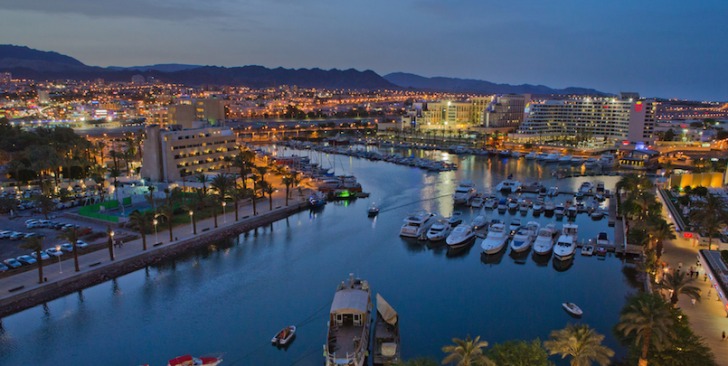
Eilat is Israel’s southern resort city, tucked between the Red Sea, the Negev Desert, and the borders with Jordan and Egypt.
It is famous for year-round sunshine, warm water, coral reefs, and a beach scene that feels very different from the rest of the country.
On the surface, it looks like a carefree vacation town built for snorkeling, diving, and long afternoons by the marina.
That said, Eilat is not a destination you can judge by beach photos alone.
In my view, it is one of those places where local day-to-day tourist safety and wider regional security are two very different things.
Inside the city, travelers often find it orderly, modern, and easy to navigate.
But anyone planning a trip here needs to think beyond hotel zones and ask bigger questions about regional tensions, transport disruptions, and emergency preparedness.
That is what really shapes the answer.
Warnings & Dangers in Eilat

OVERALL RISK: MEDIUM
Eilat itself is generally more relaxed and less crime-heavy than many large cities, especially in tourist areas and along the waterfront. The main reason I rate it Medium is not because travelers are likely to face everyday street danger, but because the wider security environment around Israel can change quickly and affect flights, border movement, and normal travel plans.

TRANSPORT & TAXIS RISK: LOW
Getting around Eilat is usually straightforward. The city is compact, hotel areas are easy to understand, and airport transfers are simple when services are running normally. Taxis are common, but as in any tourist city, agree on the fare or make sure the meter is running. The bigger transport concern is disruption, not petty crime.

PICKPOCKETS RISK: LOW
Pickpocketing is not the headline risk in Eilat. This is not one of those cities where every crowded square feels like a wallet trap. Still, busy promenades, beaches, malls, and bus stations can attract opportunists. I would stay alert in crowded areas, especially if you are distracted by luggage, shopping bags, or your phone.

NATURAL DISASTERS RISK: MEDIUM
Eilat does not deal with major natural disasters in the way some tropical or earthquake-prone destinations do, but nature can still turn serious here. Extreme heat is a real issue for travelers, especially in summer. Flash floods can also affect desert roads and nearby wadis after heavy rain. The climate looks easy until it suddenly is not.

MUGGING RISK: LOW
Violent street crime against tourists is not one of Eilat’s defining problems. Most visitors are more likely to deal with sunburn, dehydration, or overconfidence than with robbery. Even so, deserted beachfront stretches, isolated parking areas, and quiet streets late at night are never the place to test your luck with valuables on display.

TERRORISM RISK: HIGH
This is the category that changes the entire picture. Eilat can feel calm on the ground, but it sits within a region where security risks can escalate with little warning. Travelers need to treat this seriously. The issue is not constant chaos inside the city, but the possibility of sudden regional incidents, alerts, flight interruptions, or changes in official travel advice.

SCAMS RISK: LOW
Scams in Eilat are usually the ordinary tourist kind rather than something highly organized. Think overpriced services, unclear taxi expectations, or aggressive upselling for attractions and excursions. Compared with many global resort towns, the scam pressure is not extreme, but travelers should still book through reputable providers and double-check prices before paying.

WOMEN TRAVELERS RISK: LOW
Women travelers often find Eilat easier and more comfortable than many party beach destinations. Tourist zones are busy, hotels are well established, and the city is used to international visitors. That said, standard precautions still matter. Avoid isolated areas at night, be cautious with alcohol, and do not assume a resort atmosphere removes all common sense.

TAP WATER RISK: LOW
Tap water in Israel is generally considered safe to drink, and that includes Eilat. The bigger issue for some visitors is taste, not safety. Because of the desert environment and local water conditions, the taste can seem unusual if you are not used to it. Sensitive travelers may still prefer bottled or filtered water.
Safest Places to Visit in Eilat
North Beach and the Main Hotel Zone
If you want the most comfortable base in Eilat, start here.
North Beach and the surrounding hotel district are the city’s safest-feeling areas for most travelers.
You will find large resorts, busy promenades, restaurants, shopping, and plenty of other tourists around.
That constant activity matters.
Places with families, hotel staff, and regular foot traffic tend to feel more predictable, especially after dark.
The Coral Beach Area
Coral Beach is one of Eilat’s highlights and one of the best spots for travelers who want nature without feeling cut off.
The beaches, reef attractions, and diving centers are well known, and the area attracts people focused on water activities rather than nightlife.
It is still smart to keep an eye on your belongings while swimming or snorkeling, but in general, this part of Eilat feels calm and visitor-friendly.
The Marina and Promenade
The marina area is a good choice for evening walks, casual dining, and people watching.
I like it because it gives travelers that comfortable resort rhythm: restaurants, lights, shops, and steady pedestrian activity.
As always, crowded tourist strips are not immune to petty theft, but the atmosphere here is usually lively rather than threatening.
Underwater Observatory and Family Attractions
Family-oriented attractions around Eilat are often among the easiest places to visit with peace of mind.
They are structured, well-known, and designed for visitors rather than for improvisation.
For travelers who want a low-stress day, these spots are often a better bet than wandering into isolated desert edges without a plan.
Places to Avoid in Eilat
Isolated Desert Areas Outside the City
The biggest mistake some visitors make in Eilat is assuming the whole area is as easy as the beachfront.
It is not.
Once you move outside the built-up tourist zone, the desert environment becomes the real challenge.
Remote wadis, hiking routes, and roadside pull-offs can become risky because of heat, poor phone coverage, sudden weather changes, and a lack of nearby help.
Quiet Beachfront Stretches Late at Night
Eilat’s beaches are a major draw, but not every stretch feels equally smart after dark.
Busy resort sections are one thing.
Isolated corners with little lighting and fewer people are another.
I would avoid walking alone in quiet beachfront areas late at night, especially if you are carrying a bag, using headphones, or have been drinking.
Border Adjacent and Security Sensitive Areas
Eilat sits near international borders, and that alone means travelers should not wander casually into restricted, poorly marked, or security-sensitive areas.
Border crossings can also be affected by changing conditions, added checks, or operational disruptions.
This is not a place to freestyle your route based on guesswork or social media clips from six months ago.
Roads and Outdoor Areas During Severe Weather Alerts
This may sound less dramatic than crime, but it matters.
During heat waves, flash flood alerts, or heavy desert weather, some of the most dangerous places are roads, hiking tracks, and open natural areas.
Avoid driving into flood-prone zones or starting outdoor trips if conditions are unstable.
In Eilat, the weather can become a genuine safety issue very fast.
Safety Tips for Traveling to Eilat
- Check the security situation before you go and while you are there. Eilat can feel calm even when the wider region is tense. Do not rely on how relaxed your hotel looks. Monitor official alerts, airline updates, and local instructions throughout your trip.
- Stay in a recognized hotel area. For most travelers, the safest move is to stay in the main resort zone or another established tourist district. You will have better transport access, more people around, and easier support if plans suddenly change.
- Take the heat seriously. Eilat’s desert climate is not just “nice and sunny.” In warmer months, dehydration and heat exhaustion can hit hard. Drink water constantly, wear light clothing, and avoid long outdoor outings in peak afternoon heat.
- Do not wander into remote desert areas unprepared. A short drive outside the city can put you in a completely different environment. If you hike or explore nearby landscapes, tell someone where you are going, bring much more water than you think you need, and avoid solo adventures.
- Use reputable transport and tours. Book airport transfers, diving trips, and excursions through known companies or your hotel. This lowers the chance of confusion, pricing games, or being left to figure things out in an unfamiliar place.
- Keep valuables simple and close. Even in lower crime destinations, tourists with phones, passports, and beach bags are easy targets for minor theft. Carry only what you need for the day and avoid leaving your things unattended while swimming.
- Be cautious near borders and crossings. Eilat’s location makes side trips tempting, but border conditions can shift. Before attempting any cross-border travel, confirm that crossings are operating normally and that current guidance supports the trip.
- Avoid demonstrations, crowds with tension, and any security incident area. If something feels off, leave. Do not stop to film, ask questions, or assume it is harmless because others are watching. Fast exits and good judgment matter more than curiosity.
- Have a backup plan for flights and transport. Regional security issues can affect airports, roads, or schedules. Keep extra funds, flexible bookings where possible, and digital copies of key documents, so a disruption does not become a full crisis.
- Buy travel insurance that actually covers disruption and medical needs. Standard insurance is not always equal. Read the fine print. In a destination where regional events can affect travel plans, strong coverage is not optional in my book.
So... How Safe Is Eilat Really?
Eilat is one of those destinations where two truths exist at the same time.
On one hand, it is a polished resort city with beaches, hotels, family attractions, diving, and relatively low everyday tourist crime.
Compared with many big urban destinations, the risk of pickpocketing, mugging, or aggressive scams is fairly modest.
A visitor staying in the main tourist zone, using common sense, and respecting the climate, can have a smooth trip.
On the other hand, it would be misleading to talk about Eilat as if it were just another carefree Red Sea beach break.
The wider regional situation matters a great deal.
Official travel warnings for Israel remain serious, and that alone pushes Eilat into a more complicated category.
In practice, this means your biggest concern may not be what happens on the promenade, but whether the broader security environment changes while you are there.
So my honest answer is this: Eilat can feel safe locally, but it is not low-stakes travel.
If regional conditions stabilize, it is a much easier destination to recommend.
If tensions rise, even a well-run resort city becomes a harder sell.
Travelers should judge Eilat by both the city itself and the bigger map around it.
How Does Eilat Compare?
| City | Safety Index |
|---|---|
| Eilat |
47 |
| Golan Heights |
55 |
| Jerusalem |
55 |
| Acre |
46 |
| Tel Aviv |
60 |
| Haifa |
67 |
| Dead Sea |
65 |
 Mar del Plata Mar del Plata | 76 |
 Puerto Varas Puerto Varas | 82 |
 Seward Seward | 92 |
| McDonough | 72 |
 Huatulco Huatulco | 88 |
 Montevideo Montevideo | 44 |
Useful Information

Visas
Visa rules depend on your nationality. Many tourists from visa-exempt countries now need advance electronic travel authorization before arrival rather than simply showing up. Your passport should also have sufficient validity left at the time of entry. Check requirements carefully before booking because entry rules can change.

Currency
Eilat uses the Israeli new shekel. Cards are widely accepted in hotels, restaurants, and many tourist businesses, so you do not need to carry huge amounts of cash. For the best value, use bank machines or exchange money through reputable services rather than changing cash in random tourist spots.

Weather
Eilat has a hot desert climate with very long, very dry summers and mild winters. Summer temperatures can become intense, so pack breathable clothing, sun protection, and a reusable water bottle. Even in cooler months, the sun stays strong, so light layers work better than heavy clothes.

Airports
The main airport serving Eilat is Ramon Airport, located outside the city. From there, travelers typically reach Eilat by bus, taxi, or prearranged transfer. Travel time is usually fairly short, but you should confirm transport options in advance, especially if arriving late at night or during periods of disruption.

Travel Insurance
Travel insurance is strongly recommended for Eilat. This is not just about lost luggage or a basic medical issue. You want coverage that also helps with cancellations, interruptions, and emergency changes to transport. In a destination affected by both desert conditions and regional security concerns, insurance is a smart layer of protection.
Eilat Weather Averages (Temperatures)
Average High/Low Temperature
| Temperature / Month | Jan | Feb | Mar | Apr | May | Jun | Jul | Aug | Sep | Oct | Nov | Dec |
|---|---|---|---|---|---|---|---|---|---|---|---|---|
| High °C |
21 | 23 | 26 | 31 | 36 | 39 | 40 | 40 | 37 | 33 | 28 | 22 |
| Low °C |
10 | 11 | 14 | 17 | 21 | 24 | 26 | 26 | 24 | 20 | 15 | 11 |
| High °F |
70 | 73 | 79 | 88 | 97 | 102 | 104 | 104 | 99 | 91 | 82 | 72 |
| Low °F |
50 | 52 | 57 | 63 | 70 | 75 | 79 | 79 | 75 | 68 | 59 | 52 |
Israel - Safety by City
| City | Safety Index |
|---|---|
| Acre | 46 |
| Dead Sea | 65 |
| Eilat | 47 |
| Golan Heights | 55 |
| Haifa | 67 |
| Jerusalem | 55 |
| Nazareth | 58 |
| Tel Aviv | 60 |












Resort City Living
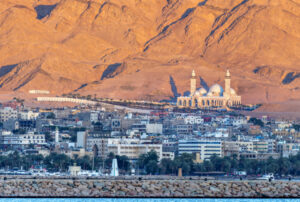
Eliat is super lovely, if you love trying out new resorts Eliat is the place! I thoroughly enjoyed the underwater marine observatory, beautiful coral reefs you will discover along the shores. I wasn’t able to explore the desert since I was short on time but they say its a great experience to try out.
Eilat really nailed the whole sun and beach vibe, but I guess a little adventure here and there makes it feel like you’re doing something productive while baking under the sun.
Never guessed how calming the coral reefs could feel until I actually snorkeled there, but I also couldn’t shake the thought about what’s really happening just beyond the sunny beaches.
Never thought I’d feel so relaxed snorkeling but still a bit on edge about what’s going on around the area.
Spent a few days in Eilat last summer and while the beaches were stunning, I definitely felt a bit on edge thinking about how close everything is to some pretty tense borders. It’s weird how the calm vibe in town doesn’t totally match the bigger picture once you start paying attention.