


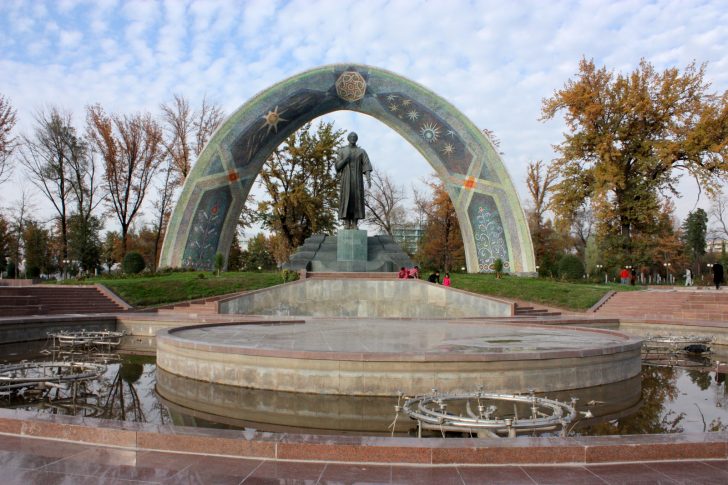
Tajikistan is one of those countries that looks small on a map and then quietly overwhelms you once you understand what’s packed inside it.
Located in Central Asia and bordered by Uzbekistan, Kyrgyzstan, China, and Afghanistan, it sits at a historic axis shaped by mountains, trade routes, and empires.
Persian roots run deep here, followed by centuries of Silk Road traffic, Russian expansion, Soviet rule, and a turbulent civil war after independence in 1991.
That history still shapes daily life.
Roughly 1.4 million people visit Tajikistan each year, most from nearby countries.
Travelers are drawn by dramatic landscapes, ancient cities, mountain lakes, traditional markets, and a culture that still feels largely untouched by mass tourism.
Dushanbe serves as the main gateway, while northern and western regions offer historical sites, hiking, and glimpses of everyday Tajik life.
That said, safety in Tajikistan can’t be painted with a single brush.
Conditions vary sharply by region.
Some areas are manageable with planning and local awareness.
Others come with serious risks and should be avoided entirely.
That difference matters, and it’s exactly what we’re going to walk you through next.
Warnings & Dangers in Tajikistan

OVERALL RISK: MEDIUM
Risk level largely depends on which part of Tajikistan you plan to visit, but the entire country has a medium risk. There are lower risk levels on the western side away from the Afghan border.

TRANSPORT & TAXIS RISK: MEDIUM
This is a medium risk, mostly because figuring out the safest transportation methods can be tricky in Tajikistan. Driving yourself isn't the best idea, since the roads are in poor condition and drivers can be aggressive. If you want a taxi, you'll need to find a licensed one, but that's not easy to tell at first glance. Avoid shared taxis known as marskrutka, as these can be more dangerous. Public transportation is overcrowded and unreliable.

PICKPOCKETS RISK: MEDIUM
While petty theft isn't overwhelming here, we're giving it a medium risk because tourists can be targeted by thieves. Expect to use extra caution in crowded areas, even if it feels like a safer tourist zone.

NATURAL DISASTERS RISK: MEDIUM
Natural disaster risks in Tajikistan vary by region. Earthquakes are a nationwide concern due to active fault lines. Mountain areas face landslides, avalanches, and rockfalls, especially after heavy rain or snowmelt. River valleys can flood seasonally. Remote terrain and weak infrastructure can slow emergency response when disasters occur. Treat this as a medium risk, especially if you're traveling through several regions.

MUGGING RISK: LOW
The run-of-the-mill armed robbery isn't likely, as crime here is more minor than violent. However, it's worth noting that this is a drug trafficking stronghold, and you don't want to risk letting your guard down.

TERRORISM RISK: HIGH
Terrorism is one of the main reasons for the elevated risk level, so we'll have to give this a high risk. However, it's just about impossible to plan a safe trip around terrorism concerns. I recommend reading the government advisories before your trip to get the most specific concerns about international and regional conflicts.

SCAMS RISK: MEDIUM
You'll want to treat this as a medium risk, since taxis can be unregulated and fake checkpoints are possible. Always carry your ID, visa, and passport with you, but keep them tucked away in a safe place.

WOMEN TRAVELERS RISK: MEDIUM
Women face a medium risk like anyone else, but solo travelers should up that to a high risk. Harassment and unwanted attention are common for solo female travelers. Stick with a group of tour guides during your time in Tajikistan.

TAP WATER RISK: MEDIUM
You're going to get a lot of conflicting reports on the tap water quality in Tajikistan. To some extent, they are all true. To some extent, they are all true. Water can be treated and technically safe at the source, especially in larger cities, but aging pipes and storage systems often compromise it before use. Concerns like coliform bacteria and Giardia are common. Stick to bottled water. You don't want to risk it here.
Safest Places to Visit in Tajikistan
The Committee for Tourism Development under the Government of the Republic of Tajikistan runs the official tourism website https://traveltajikistan.tj.
Despite this “official” site, it’s important to know that tourism isn’t very regulated in Tajikistan, especially if you’re used to Western standards.
Of the 1.4 million people who visit each year, most are from neighboring countries and might feel safer there than, say, someone from the United States.
It’s also worth noting that the tourism website lists the Gorno-Badakhshan Autonomous (GBAO) as a place to visit, but you’ll find out in the next section why that’s not the best idea.
Sticking to the western half of the country, let’s look at some of the top attractions.
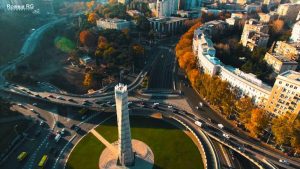
Dushanbe is the natural starting point, with broad boulevards, museums, teahouses, and easy access to nearby day trips.
Just outside the capital, the Hisor Fortress offers a glimpse into the region’s long Silk Road history.
In the north, Khujand anchors the Sughd region.
It sits on the Syr Darya River and is known for its bustling bazaar, riverside parks, and Soviet-era architecture mixed with much older roots.
Nearby, Istaravshan rewards travelers with mosques, craft traditions, and compact historic neighborhoods.
West of Dushanbe, the Fann Mountains are one of the country’s biggest draws without entering GBAO territory or mountains.
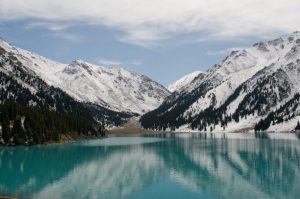
Lakes like Iskanderkul and towns such as Panjakent provide hiking, ruins tied to ancient Sogdian culture, and dramatic scenery.
Places to Avoid in Tajikistan
More than half of Tajikistan has a general risk level that is at the higher end of the risk range from Western governments.
That risk jumps significantly in the Gorno-Badakhshan Autonomous Oblast, known as GBAO.
This region takes up about half of the country.
GBAO is a restricted area for non-Tajik citizens and requires a special travel permit that can be suspended with little warning.
Violent clashes between local groups and security forces have occurred in recent years, making conditions unpredictable.
Infrastructure is sparse, emergency response is limited, and communications can fail without notice.
All of that leads to a Level 3: Avoid Non-Essential Travel for visitors.
Risk increases even more near the Afghan border itself.
Smuggling routes, armed activity, and unexploded ordnance elevate security concerns well beyond normal travel risks.
This comes with a Level 4: Do Not Travel risk assessment.
Safety Tips for Traveling to Tajikistan
- In Tajikistan, the national police handle most emergencies. Dial 112 for general emergencies nationwide. Police can also be reached at 102, medical emergencies at 103, and fire services at 101. Response times vary outside major cities, so do not expect rapid rural help. Save numbers offline since mobile service can drop without warning.
- Tajikistan does not have a robust nationwide public alert system for travelers. Earthquakes, landslides, and severe weather are usually communicated through local media, radio, or word of mouth. Hotel staff are often your best early warning system. Keep mobile data active, follow regional news sources, and register with your embassy for security and evacuation updates.
- Foreign visitors can drive in Tajikistan with a valid home-country license and an International Driving Permit. Roads range from rough to downright punishing, especially outside cities. Police checkpoints are common, and documents are checked frequently. Fuel availability can be limited in rural areas. Winter driving can be treacherous.
- There are no mandatory vaccines for entry, but several are strongly recommended. Hepatitis A and B, typhoid, and routine vaccines should be up-to-date. Rabies is advised if you plan rural travel or extended stays. Medical care is limited outside cities, so travel insurance with evacuation coverage is not optional; it is basic survival math.
- The official language is Tajik, a Persian dialect written in Cyrillic. Russian is widely spoken, especially in cities and government offices. English is limited and mostly found among younger people, tour operators, and hotels catering to foreigners. Outside major hubs, expect very little English and plan accordingly with translation apps or a guide.
- Landmines and unexploded ordnance remain a serious hazard near the borders with Afghanistan and Uzbekistan, as well as in the Vakhsh Valley and Rasht Valley. Follow warning signs strictly. Stay on marked roads. Avoid ditches, shoulders, and unmarked trails. Never touch suspicious objects, even if they look old or harmless.
- Tajikistan tightly regulates religious activity. Travelers should expect scrutiny around mosques and religious gatherings. There have been reports of harassment by security officials, particularly toward men with beards near places of worship. Visitors should keep religious practice discreet, avoid public proselytizing, and understand that local rules may feel intrusive by Western standards.
- Same-sex relationships are legal in Tajikistan, and there are no laws banning LGBTQ+ events. Social acceptance is another story. Public attitudes can be conservative, and hostility or harassment is possible, especially outside major cities. Travelers should avoid public displays of affection and keep personal matters private to reduce unwanted attention or risk.
- Power outages are common and can last several hours, particularly in winter. Rural areas are hit hardest, but outages also occur in Dushanbe. Bring battery packs, headlamps, and offline maps. Do not assume heat, internet, or charging access will be consistent, even in hotels that promise modern amenities.
- Much of Tajikistan sits at high elevation, especially in mountainous Level 2 travel areas outside major cities. Rapid ascents can trigger altitude sickness, even for experienced hikers. Symptoms include headaches, nausea, and fatigue. Acclimatize slowly, hydrate aggressively, limit alcohol, and plan rest days. Ignoring altitude here is a rookie mistake.
So... How Safe Is Tajikistan Really?
Tajikistan comes with a mixed bag of travel advisories.
First, it helps to know that most countries will rank on a four-tiered scale, with Level 1 being the lowest and Level 4 being the highest.
Then, we should also mention that the Foreign, Commonwealth & Development Office (FCDO) of the United Kingdom generally doesn’t use this scale unless there are parts of a country at Level 3 or higher.
For Tajikistan, the United States, Canada, and Australia agree that the western half of the country is at Level 2: Exercise a High Degree of Caution, and the eastern half (GBAO) is at Level 3: Avoid Non-Essential Travel.
At the border with Afghanistan, the U.S. puts it at Level 3, while Canada and Australia bump that up to Level 4: Avoid All Travel.
The FCDO doesn’t rank any sections of the country as places to avoid, but does have pretty specific risks detailed in the GABO and border regions.
In the Level 2 areas, the biggest risk is listed as terrorism by the reporting agencies.
That’s not really something you can plan for, since most terrorist attacks are random.
Beginner travelers shouldn’t just decide that Tajikistan is the best Central Asian country to visit, but more experienced travelers might be inclined to weigh the risks and visit the less dangerous regions.
How Does Tajikistan Compare?
| Country | Safety Index |
|---|---|
 Tajikistan Tajikistan | 38 |
 Puerto Rico Puerto Rico | 48 |
 Ireland Ireland | 83 |
 Tanzania Tanzania | 59 |
 Senegal Senegal | 45 |
 United States United States | 68 |
 Guyana Guyana | 43 |
 Ethiopia Ethiopia | 41 |
 Tuvalu Tuvalu | 89 |
Useful Information

Visas
Most travelers need a visa to enter Tajikistan, though many nationalities can apply online for an e-visa. If you plan to visit the Pamir region, you also need a GBAO permit. Passport validity of at least six months is expected, and border checks can be thorough.

Currency
The Tajikistani somoni is the official currency. Cash dominates daily life, especially outside Dushanbe. ATMs are limited and unreliable in smaller towns, so bring U.S. dollars or euros to exchange. Credit cards are rarely accepted beyond a few hotels and upscale restaurants in the capital.

Weather
Tajikistan’s weather varies sharply by elevation. Summers are hot in lowland cities and valleys, while mountain regions stay cool even in July. Winters bring heavy snow to higher passes, sometimes cutting off roads. Spring and early fall are the most comfortable times for travel across the country.

Airports
Most international visitors arrive at Dushanbe International Airport, with limited routes from Europe, Turkey, and nearby Central Asian hubs. Regional airports exist, but schedules are inconsistent and weather-dependent. Overland travel is common once inside the country, especially for reaching mountain regions like the Pamirs.

Travel Insurance
Travel insurance is essential. Medical facilities are basic outside major cities, and evacuation from remote mountain areas can be complicated and expensive. Your policy should include medical evacuation, adventure activities if trekking, and coverage for road travel delays. In Tajikistan, insurance is not a luxury.
Tajikistan Weather Averages (Temperatures)
Average High/Low Temperature
| Temperature / Month | Jan | Feb | Mar | Apr | May | Jun | Jul | Aug | Sep | Oct | Nov | Dec |
|---|---|---|---|---|---|---|---|---|---|---|---|---|
| High °C |
9 | 11 | 17 | 23 | 28 | 34 | 36 | 36 | 31 | 24 | 17 | 11 |
| Low °C |
-1 | 1 | 6 | 10 | 13 | 17 | 19 | 17 | 13 | 8 | 4 | 0 |
| High °F |
48 | 52 | 63 | 73 | 82 | 93 | 97 | 97 | 88 | 75 | 63 | 52 |
| Low °F |
30 | 34 | 43 | 50 | 55 | 63 | 66 | 63 | 55 | 46 | 39 | 32 |







What do you mean?
Tajikistan is super safe
Mud slide everyday?
Very safe. Friendly people. Beautiful nature. Don’t give cash to beggars and kids cities and in the remote areas. Get some candies and when kids approach just treat them with some they mostly just scram. Some people can invite to their houses its sincere, but look at the situation.
I’ve always been drawn to rugged places off the usual tourist radar, and what I read here made me both excited and cautious about Tajikistan. It captured that mix of breathtaking mountain roads and real travel logistics in a way that felt honest.
I never realized how much history is packed into such a small place; it’s wild to think about the Silk Road and everything that happened there.
Did you really just drop a mention of those mountain lakes without sharing your favorite spot?
Is it really as stunning as it sounds, or do you think those safety concerns might keep some travelers away?
Did you also get that weird mix of excitement and unease wandering the noisy Dushanbe markets?