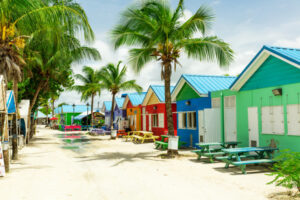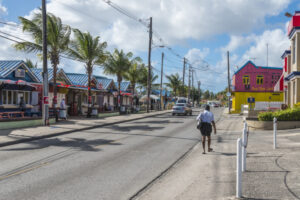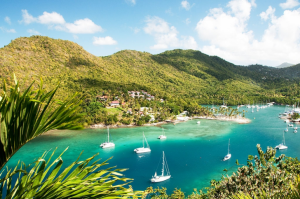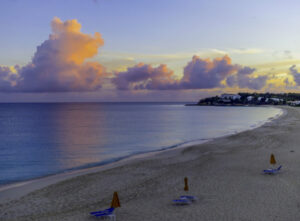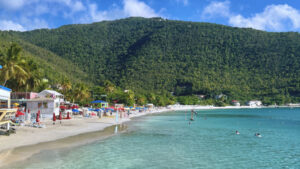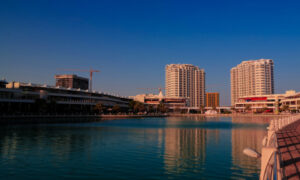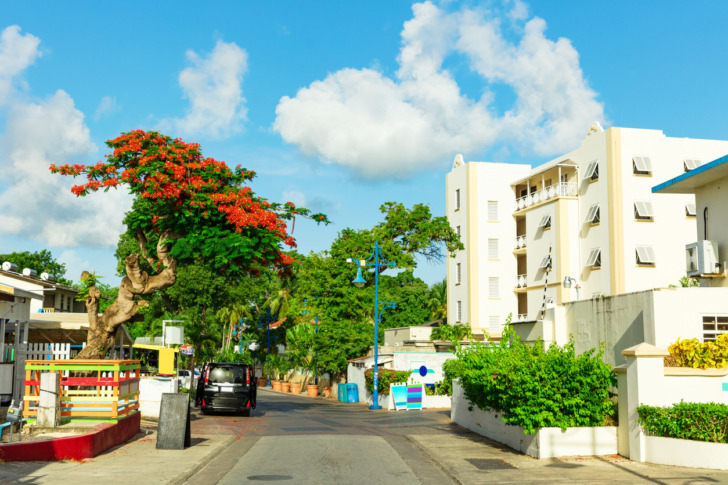
Holetown is one of Barbados’ most polished and popular resort areas, sitting on the island’s west coast in the parish of Saint James.
It has an interesting place in Barbadian history because the first permanent English settlers arrived in the area in 1627, giving the town much deeper roots than its luxury hotels and designer shops might suggest.
Today, Holetown combines calm Caribbean beaches, upscale resorts, restaurants, beach bars, shopping at Limegrove Lifestyle Centre, and easy access to other west-coast communities.
It is generally one of the safer parts of Barbados for tourists, particularly around established hotels and busy commercial areas.
The biggest concerns are petty theft, nighttime beach walks, aggressive driving, intense sun, water conditions, and tropical storms rather than serious attacks on visitors.
Warnings & Dangers in Holetown

OVERALL RISK: LOW
Holetown is generally safe for tourists, especially around the main hotel strip, shopping areas, restaurants, and popular beaches. Serious violent crime involving visitors is uncommon. Travelers should still protect valuables, avoid isolated areas after dark, arrange safe transportation at night, and remain aware that crime elsewhere in Barbados can occasionally spill into tourist areas.

TRANSPORT & TAXIS RISK: MEDIUM
Taxis are widely used and generally safe, but fares should be confirmed before departure. Barbados drives on the left, and rental drivers must adjust to narrow roads, roundabouts, limited lighting, buses, pedestrians, and sudden stops. Local minibuses can be fast and crowded, so cautious visitors may prefer licensed taxis or rental cars.

PICKPOCKETS RISK: MEDIUM
Pickpocketing is not rampant, but Holetown attracts enough tourists to make opportunistic theft worthwhile. Busy bars, shopping areas, buses, beaches, and festivals deserve extra awareness. Keep phones and wallets secure, avoid hanging handbags over chair backs, and never leave valuables unattended while swimming.

NATURAL DISASTERS RISK: MEDIUM
Hurricanes and tropical storms are the main natural threats. Barbados lies within the Atlantic hurricane region, and the season runs from June through November. Heavy rain can also cause flash flooding and road problems. Strong sun, rough seas, rip currents, and occasional earthquakes are additional environmental risks travelers should understand.

MUGGING RISK: LOW
Mugging is uncommon in the main parts of Holetown, particularly during the day and early evening. Risk increases on empty beaches, poorly lit residential roads, and quiet stretches away from hotels after dark. Avoid wearing expensive jewelry unnecessarily and use a taxi when returning from restaurants or nightlife late at night.

TERRORISM RISK: LOW
The terrorism risk in Holetown is low. Barbados is politically stable and is not generally considered a major international terrorism target. Normal awareness is appropriate around airports, festivals, major public events, and crowded tourism areas, but terrorism is not a practical concern for most visitors planning a normal vacation.

SCAMS RISK: MEDIUM
Most businesses in Holetown are straightforward, but visitors can encounter inflated taxi prices, unofficial excursion offers, misleading vacation rentals, or unclear beach-service charges. Confirm prices before accepting rides, tours, chairs, or water-sports equipment. Be cautious about paying large deposits for privately advertised accommodations without reliable booking protection.

WOMEN TRAVELERS RISK: LOW
Holetown is generally safe for women, including solo travelers. The resort district, shopping center, beaches, and restaurants are comfortable during normal hours. Women should still avoid isolated beach walks late at night, watch drinks in bars, use trusted taxis after nightlife, and be cautious about accepting rides or invitations from strangers.

TAP WATER RISK: LOW
Tap water in Barbados is generally safe to drink and is naturally filtered through the island’s coral limestone. Most visitors can drink it without difficulty. A reusable water bottle is useful because the Caribbean heat can cause dehydration quickly. After severe storms or temporary service interruptions, follow any local water advisories.
Safest Places to Visit in Holetown
Holetown Beach
The main beach area is generally safe during daylight, especially near hotels, restaurants, and established beach facilities.
The west coast often has calmer water than Barbados’ Atlantic side, making it popular with families and casual swimmers.
Still, calm-looking water should never be taken for granted.
Check conditions before swimming and stay close to shore if you are not a confident swimmer.
Limegrove Lifestyle Centre
Limegrove is one of the easiest places in Holetown for shopping, dining, and evening entertainment.
The complex is well-maintained, busy, and generally comfortable for visitors.
Its restaurants and central location also make it a good choice for travelers who want an evening out without wandering through unfamiliar neighborhoods.
Folkestone Marine Park
Folkestone Marine Park is located just north of central Holetown and is popular for snorkeling, swimming, picnicking, and relaxing by the water.
It is generally safe during daylight when other visitors are present.
Snorkelers should remain aware of currents, boats, coral, and changing weather.
First and Second Streets
Holetown’s restaurant and nightlife district around First and Second Streets is generally safe and lively during the evening.
Restaurants, bars, and other visitors keep the area active.
The main risks are alcohol-related problems and losing valuables, so keep belongings secure and arrange transportation before drinking heavily.
Paynes Bay
Paynes Bay lies a short drive south and is another popular west-coast beach.
It is generally safe during daylight and surrounded by established accommodations.
Avoid leaving phones, wallets, or bags unattended when entering the water.
Places to Avoid in Holetown
There Are No Major Tourist No-Go Neighborhoods
Holetown does not have a recognized dangerous neighborhood that tourists are routinely warned to avoid.
It is one of Barbados’ more affluent and tourism-oriented communities.
Travelers should focus on avoiding specific situations rather than worrying about accidentally walking into a clearly defined dangerous district.
Isolated Beaches After Dark
Beaches that feel peaceful and inviting during the day can become extremely quiet at night.
Avoid walking long distances alone once hotel and restaurant activity has died down.
Darkness also makes it more difficult to judge waves, rocks, drop-offs, and people approaching from nearby paths.
Dark Residential Roads
Some streets away from the main commercial area have limited lighting and few pedestrians after dark.
These roads are not necessarily dangerous, but they offer less visibility and assistance if something goes wrong.
Use a taxi rather than walking long distances back to a villa or apartment late at night.
Empty Bus Stops Late at Night
Local buses are useful during the day, but waiting alone at an unfamiliar roadside stop late at night is unnecessary.
Evening schedules may also be less predictable.
After restaurants or nightlife, arrange a taxi or private driver instead.
Beaches During Severe Weather
Avoid beaches, jetties, and rocky coastal areas during tropical storm warnings or periods of unusually rough surf.
Waves and currents can become dangerous before the worst weather arrives.
Follow hotel and government instructions rather than going to the shoreline to watch storm conditions.
Unfamiliar Areas of Bridgetown Late at Night
Bridgetown is easily visited from Holetown and has several worthwhile attractions, but travelers should avoid wandering through unfamiliar streets after businesses close.
Visit during the day, keep valuables secure, and use a taxi for the return trip if staying into the evening.
So... How Safe Is Holetown Really?
Holetown is one of the safer places to base yourself in Barbados.
It has established hotels, busy restaurants, modern shopping, regular taxi service, and a tourism industry accustomed to international visitors.
Families, couples, solo travelers, and women traveling alone can generally spend time around the town without feeling unsafe.
The main criminal concern is opportunistic theft.
A phone left on an empty beach chair, an unlocked rental vehicle, or a handbag forgotten in a busy bar is a more realistic problem than a violent attack.
Barbados does experience serious crime, but much of it does not involve tourists or occur within the central west-coast resort areas.
Travelers should still avoid becoming complacent.
Holetown becomes quieter once restaurants close, and isolated beaches or residential streets are best avoided alone late at night.
Environmental risks deserve just as much attention.
Strong sun can cause dehydration and severe burns, while sea conditions can change unexpectedly.
Hurricane season adds the possibility of flight cancellations, flooding, rough water, and temporary service disruption.
Overall, Holetown earns a low risk rating.
It offers a comfortable balance between resort infrastructure and local character.
Protect valuables, use reliable transportation at night, respect the sea, and monitor tropical weather, and your chances of experiencing a serious safety problem are low.
How Does Holetown Compare?
| City | Safety Index |
|---|---|
 Holetown Holetown |
88 |
| Oistins |
85 |
| Speightstown |
87 |
| Bridgetown |
78 |
 Marfa Marfa | 80 |
| Naples | 91 |
 Merida Merida | 82 |
 Kruje Kruje | 79 |
| Laramie | 85 |
| Fort Collins | 80 |
Useful Information

Visas
Many travelers can visit Barbados without obtaining a tourist visa in advance, with the permitted length of stay depending on nationality and immigration approval. Visitors normally need a valid passport, accommodation information, and onward or return travel. Travelers from countries requiring a visa should arrange one before departure.

Currency
Holetown uses the Barbadian dollar, which is fixed at approximately BBD $2 to US$1. US dollars are widely accepted, although change may be given in Barbadian dollars. Credit cards work at most hotels, restaurants, and stores. Carry small cash notes for buses, taxis, tips, and local vendors.

Weather
Holetown is warm throughout the year, with daytime temperatures commonly around 28°C to 31°C. The drier season usually runs from December through May, while June through November is wetter and overlaps with hurricane season. Pack lightweight clothing, sunscreen, insect repellent, swimwear, a hat, and a light waterproof layer.

Airports
Grantley Adams International Airport is Barbados’ main airport and is roughly 25 to 30 kilometers from Holetown. The drive usually takes around 35 to 50 minutes depending on traffic. Taxis, private transfers, rental cars, and public buses are available. Prearranging transportation is convenient for late-night arrivals.

Travel Insurance
Travel insurance is recommended for Holetown even though the area is low-risk. Choose coverage for medical treatment, evacuation, trip cancellation, lost baggage, theft, rental-car incidents, water activities, and tropical weather disruption. During hurricane season, check storm-related exclusions carefully before purchasing a policy.
Holetown Weather Averages (Temperatures)
Average High/Low Temperature
| Temperature / Month | Jan | Feb | Mar | Apr | May | Jun | Jul | Aug | Sep | Oct | Nov | Dec |
|---|---|---|---|---|---|---|---|---|---|---|---|---|
| High °C |
29 | 29 | 30 | 31 | 31 | 31 | 31 | 31 | 31 | 31 | 31 | 30 |
| Low °C |
23 | 23 | 23 | 24 | 25 | 25 | 25 | 25 | 25 | 24 | 24 | 24 |
| High °F |
84 | 84 | 86 | 88 | 88 | 88 | 88 | 88 | 88 | 88 | 88 | 86 |
| Low °F |
73 | 73 | 73 | 75 | 77 | 77 | 77 | 77 | 77 | 75 | 75 | 75 |
Barbados - Safety by City
| City | Safety Index |
|---|---|
| Bridgetown | 78 |
| Holetown | 88 |
| Oistins | 85 |
| Speightstown | 87 |