 Angola : Safety by City
Angola - safety as a country
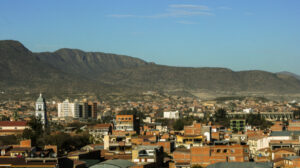
Lubango is one of Angola’s most visually impressive cities, sitting about 1,760 meters above sea level on the Huíla Plateau in the country’s southwest.
Formerly known as Sá da Bandeira, it combines Portuguese colonial influences, wide streets, surrounding farmland, and dramatic highland scenery.
The city is best known as a base for visiting the Tundavala Gap, the winding Serra da Leba road, and the hilltop Cristo Rei statue.
Its elevation gives Lubango a cooler, more comfortable climate than coastal cities such as Luanda.
Tourism remains relatively undeveloped, which makes the experience feel authentic but also means fewer visitor services.
Lubango is safer and calmer than many travelers expect, but crime, road conditions, malaria, limited medical care, and remote-area hazards still require preparation.
Warnings & Dangers in Lubango

OVERALL RISK: MEDIUM
Lubango is generally calmer than Luanda and can be visited safely with proper planning. However, petty theft, robbery, poor road conditions, health risks, and limited emergency services remain concerns. Travelers should use reputable accommodation, arrange trusted transportation, avoid walking after dark, and explore surrounding attractions with an experienced local driver or guide.

TRANSPORT & TAXIS RISK: MEDIUM
Transportation presents one of Lubango’s most significant practical risks. Roads may have potholes, limited lighting, animals, pedestrians, and vehicles without working lights. Informal taxis are difficult for newcomers to assess. Use hotel-arranged transportation, keep doors locked, wear seat belts, and avoid traveling on mountain or intercity roads after sunset.

PICKPOCKETS RISK: MEDIUM
Pickpocketing and phone theft can occur in markets, crowded streets, transport areas, and commercial districts. Foreign tourists may attract attention because international visitors are still uncommon. Carry bags in front of you, keep phones out of sight when not needed, and avoid placing wallets in open pockets or leaving belongings unattended.

NATURAL DISASTERS RISK: MEDIUM
Lubango can experience intense rainfall, thunderstorms, flooding, fog, landslides, and rockfalls, particularly during the rainy season. The nearby escarpments also have steep, unprotected edges. Rural Angola continues to contain unexploded wartime ordnance, so travelers should remain on established roads and marked paths when exploring outside the city.

MUGGING RISK: MEDIUM
Muggings and armed robberies occur in Angola, although Lubango generally feels less threatening than the capital. Risk increases on empty streets, around cash machines, near transport areas, and after dark. Avoid displaying jewelry or electronics, carry limited cash, and do not resist if confronted by an armed robber.

TERRORISM RISK: LOW
The terrorism risk in Lubango is low. The city is not considered a major international target, and terrorism is less concerning than crime, health problems, road accidents, or political unrest. Visitors should still avoid demonstrations, government gatherings, and security operations, as local disturbances can develop quickly and disrupt transportation.

SCAMS RISK: MEDIUM
Tourist scams are not highly organized in Lubango, but visitors may face inflated taxi fares, unofficial guides, poor exchange rates, or requests for questionable charges. Confirm prices before accepting services and use banks or authorized exchange businesses. Never hand over your passport to an unofficial driver, guide, or accommodation representative.

WOMEN TRAVELERS RISK: MEDIUM
Women can visit Lubango safely, but solo walking after dark is not recommended. Street harassment may occur, and transportation should be arranged through a hotel or trusted contact. Conservative clothing can help reduce unwanted attention. Solo female travelers should avoid isolated viewpoints, informal taxis, and invitations from unfamiliar people.

TAP WATER RISK: HIGH
Travelers should not drink untreated tap water in Lubango. Choose sealed bottled water or water that has been boiled and properly filtered. Check bottle caps before drinking and avoid ice from uncertain sources. Visitors with sensitive stomachs should also use safe water for brushing their teeth and avoid uncooked food washed in local water.
Safest Places to Visit in Lubango
Cristo Rei
The Cristo Rei statue stands above Lubango and provides broad views over the city and surrounding highlands.
It is one of the easiest landmarks to visit, particularly during daylight with a local driver.
Stay within the recognized viewing area, avoid displaying valuables, and do not explore isolated paths around the hill alone.
Tundavala Gap
The Tundavala Gap is Lubango’s most spectacular natural attraction, located roughly 18 kilometers from the city.
The high plateau drops dramatically toward the plains below, creating one of Angola’s finest viewpoints.
Visit with an experienced driver, stay well back from the cliff edge, and avoid the area during fog, thunderstorms, or strong winds.
Lubango City Center
Central Lubango contains hotels, restaurants, banks, shops, churches, and colonial-era buildings.
It is the most practical part of the city for visitors to explore.
Walk during daylight, use known routes, and keep electronics discreet.
Streets can become quiet quickly after businesses close, so arrange transportation for the evening.
Nossa Senhora do Monte
Nossa Senhora do Monte is a popular religious and recreational area overlooking Lubango.
The chapel, green surroundings, and views make it a comfortable daytime stop.
It can become busier during religious celebrations and public events, so visitors should keep bags secure and arrange a specific pickup point with their driver.
Humpata With Local Guidance
The nearby Humpata area offers farms, highland scenery, cultural history, and access to several natural attractions.
It is best explored with a guide who understands local roads and communities.
Ask permission before photographing residents, avoid entering private land, and never leave established tracks to explore empty fields or abandoned structures.
Places to Avoid in Lubango
Tundavala Cliff Edge in Poor Weather
Tundavala has extremely steep drops, and not every section has protective barriers.
Avoid visiting during fog, rain, thunderstorms, or strong wind.
Do not sit on the edge or step backward while taking photographs.
The greatest danger here is not crime but a fatal fall caused by poor visibility or careless positioning.
Serra da Leba After Dark
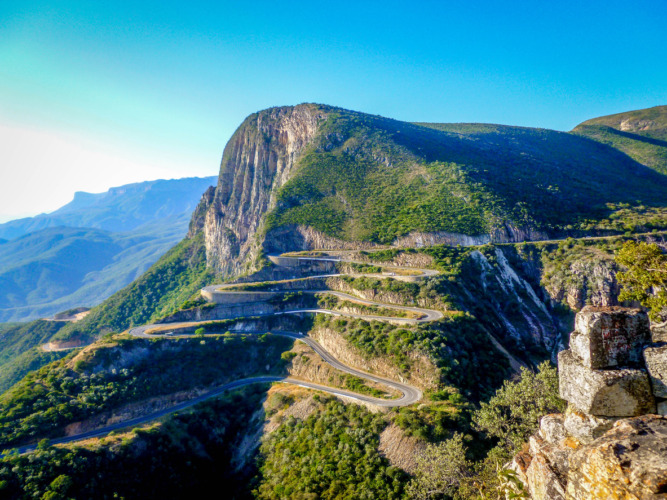
The Serra da Leba road is famous for its tight switchbacks and dramatic mountain views.
It can also be hazardous because of sharp bends, fog, rain, rockfall, slow trucks, and limited lighting.
Avoid driving the pass after dark or during severe weather, particularly if your driver is unfamiliar with the route.
Informal Outskirts at Night
Lubango does not have a clearly defined tourist no-go neighborhood, but peripheral areas may have poor lighting, rough roads, and limited police presence.
Visitors have little reason to explore unfamiliar residential outskirts after dark.
Use a driver and remain near established hotels, restaurants, and central commercial areas.
Crowded Markets With Visible Valuables
Markets can be fascinating places to experience local life, but they also create opportunities for pickpocketing and phone theft.
Avoid carrying expensive cameras openly or counting cash in public.
Visit during the day with a local guide and keep your passport secured at your hotel when legally appropriate.
Unmarked Rural Land
Never explore abandoned buildings, former military areas, empty fields, roadside ruins, or unmarked rural tracks.
Angola continues to manage landmines and unexploded ordnance left from its civil war.
Cleared roads and frequently used paths are generally safer, but apparent open space should never be assumed to be harmless.
Safety Tips for Traveling to Lubango
- Arrange a trusted driver before arriving. Lubango is not an ideal place to rely on random street taxis or make transportation decisions at the last minute. Ask your hotel, travel operator, employer, or local contact to arrange airport pickup and daily transportation. A reliable driver can navigate poor roads, find attractions, explain checkpoints, and reduce your exposure to unsafe areas.
- Avoid walking after dark. Central Lubango may feel relaxed during the day, but streets can become quiet and poorly lit after businesses close. Even short nighttime walks create unnecessary risk. Arrange a driver for restaurant visits, keep your phone charged, and confirm your return transportation before leaving your accommodation.
- Take malaria prevention seriously. Malaria occurs throughout Angola, including the Huíla highlands. Lubango’s cooler temperatures do not remove the risk. Discuss preventive medication with a travel-health professional before departure. Use insect repellent, wear long sleeves after sunset, and sleep in an air-conditioned or properly screened room.
- Drink only sealed or treated water. Use bottled, boiled, or correctly filtered water for drinking. Check that bottle caps are intact before opening them. Avoid ice, unpeeled fruit, raw salads, and food that has been sitting at room temperature. Food poisoning can become particularly difficult when dependable medical services are limited.
- Stay away from unmarked land. Do not wander into empty fields, abandoned ruins, former military areas, or unfamiliar countryside. Unexploded ordnance remains a concern in parts of Angola. Follow established roads, use recognized viewpoints, and listen carefully to local warnings. An apparently harmless shortcut can carry risks that are invisible to visitors.
- Treat Tundavala as a cliff, not a photo studio. The views are extraordinary, but the drops are severe, and barriers may be limited. Keep a safe distance from the edge, supervise children closely, and never step backward while taking pictures. Strong wind, fog, and wet rock can make the viewpoint considerably more dangerous.
- Prepare carefully for Serra da Leba. The famous winding road is worth seeing, but it should be visited in daylight with a skilled driver and a well-maintained vehicle. Wear your seat belt, avoid stopping on blind corners, and check the weather beforehand. Fog and heavy rain can reduce visibility with little warning.
- Keep cash and electronics discreet. Cards and ATMs may not always work reliably, so carrying cash is useful. Divide your money between secure locations and take only what you need each day. Avoid wearing expensive jewelry, holding your phone near open vehicle windows, or displaying cameras in crowded commercial areas.
- Prepare for limited medical facilities. Bring prescription medicine, a first-aid kit, stomach medication, oral rehydration salts, insect repellent, and copies of essential medical records. Serious injuries or illnesses may require evacuation to Luanda, Namibia, or South Africa. Do not assume an ambulance will arrive quickly or carry advanced equipment.
- Ask before photographing people. Lubango and the wider Huíla Province are home to diverse communities and cultural traditions. Always request permission before photographing individuals, homes, ceremonies, markets, or traditional clothing. Never photograph police, military personnel, airports, checkpoints, or government facilities without clear authorization.
So... How Safe Is Lubango Really?
Lubango is one of Angola’s more approachable cities for adventurous travelers.
It is smaller, cooler, and generally calmer than Luanda, while its surrounding landscapes include some of the country’s most impressive attractions.
Most visitors using reputable hotels, trusted drivers, and organized day trips are unlikely to encounter serious trouble.
However, Lubango should not be treated like a developed tourist destination with predictable services.
Angola has a significant crime problem, and robbery, phone theft, vehicle crime, and residential burglary remain concerns.
Tourists may be especially noticeable when carrying cameras, using foreign languages, or stopping to check maps.
Health and transportation are equally important.
Malaria prevention is recommended throughout Angola, and yellow fever vaccination is normally required or strongly advised for eligible travelers.
Medical facilities in Lubango may handle basic problems, but serious emergencies can require evacuation.
Outside the city, road quality, nighttime visibility, flooding, and limited roadside assistance increase the consequences of accidents.
The Tundavala Gap and Serra da Leba also introduce environmental risks that do not exist in ordinary city travel.
Cliffs, fog, rockfalls, steep roads, and sudden weather changes require caution.
My overall rating for Lubango is medium risk.
It is a rewarding destination for prepared travelers, but independent nighttime movement, spontaneous rural exploration, and careless road trips should be avoided.
How Does Lubango Compare?
| City | Safety Index |
|---|---|
| Lubango |
55 |
| Malanje |
47 |
| Soyo |
42 |
| Lobito |
52 |
| Benguela |
53 |
| Luanda |
35 |
| Sumbe |
46 |
 Manizales Manizales | 47 |
 Bodden Town Bodden Town | 82 |
 Caye Caulker Caye Caulker | 82 |
 Littleton Littleton | 78 |
 Vientiane Vientiane | 77 |
| Apex | 84 |
Useful Information

Visas
Citizens of many countries can enter Angola visa-free for tourism for up to 30 days per visit, generally limited to 90 days during a calendar year. Eligibility depends on nationality, and the exemption does not cover work or business. Other travelers must obtain a visa before arrival. Check passport validity and entry requirements before booking.

Currency
Lubango uses the Angolan kwanza. Cash remains important because international cards and ATMs may not work consistently. Withdraw money from secure bank locations during daylight and carry a backup payment method. Exchange foreign currency only through authorized banks or exchange offices, never with informal street dealers offering unusually attractive rates.

Weather
Lubango has a mild highland climate. The rainy season generally lasts from October through April, bringing thunderstorms and occasional road disruption. May through September is drier, with comfortable days and cool nights. Pack layers, a light jacket, sturdy shoes, sunscreen, and waterproof clothing during the wetter months.

Airports
Lubango is served by Welwitschia Mirabilis Airport, also commonly called Lubango or Mukanka Airport, with the code SDD. Domestic flights connect the city primarily with Luanda, while international travelers generally transfer through Luanda’s main airport. Arrange transportation before arrival and reconfirm domestic flights because schedules can change.

Travel Insurance
Comprehensive travel insurance is essential for Lubango. Choose a policy covering emergency medical treatment, evacuation to another country, road accidents, theft, trip interruption, and missed domestic connections. Confirm that Angola and any planned hiking or remote-area excursions are included. Carry both digital and printed copies of the insurer’s emergency contact information.
Lubango Weather Averages (Temperatures)
Average High/Low Temperature
| Temperature / Month | Jan | Feb | Mar | Apr | May | Jun | Jul | Aug | Sep | Oct | Nov | Dec |
|---|---|---|---|---|---|---|---|---|---|---|---|---|
| High °C |
25 | 25 | 25 | 25 | 25 | 24 | 24 | 26 | 28 | 28 | 26 | 25 |
| Low °C |
13 | 13 | 13 | 13 | 10 | 9 | 8 | 10 | 13 | 13 | 13 | 13 |
| High °F |
77 | 77 | 77 | 77 | 77 | 75 | 75 | 79 | 82 | 82 | 79 | 77 |
| Low °F |
55 | 55 | 55 | 55 | 50 | 48 | 46 | 50 | 55 | 55 | 55 | 55 |
Angola - Safety by City
| City | Safety Index |
|---|---|
| Benguela | 53 |
| Huambo | 49 |
| Lobito | 52 |
| Luanda | 35 |
| Lubango | 55 |
| Malanje | 47 |
| Namibe | 56 |
| Soyo | 42 |
| Sumbe | 46 |