


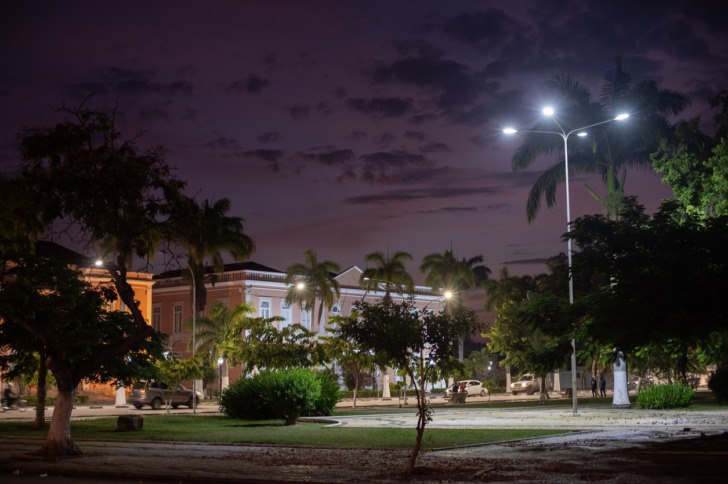
 Angola : Safety by City
Angola - safety as a country
Benguela is one of Angola’s most appealing coastal cities, sitting on the Atlantic Ocean about 30 kilometers south of Lobito.
Founded by the Portuguese in 1617, it developed as a trading port and still carries traces of its colonial past through pastel buildings, broad avenues, churches, and shaded squares.
Today, Benguela feels calmer and more manageable than Luanda, with warm beaches, seafood restaurants, markets, and easy access to places such as Baía Azul and Baía Farta.
The city’s relaxed pace can make it seem safer than it really is, though.
Crime, difficult roads, malaria, unreliable tap water, and limited medical care remain genuine concerns.
My view is that Benguela can be a rewarding destination for careful travelers, but it works best when transportation, accommodation, and excursions are arranged in advance.
Warnings & Dangers in Benguela

OVERALL RISK: MEDIUM
Benguela is a medium-risk destination. It is quieter than Luanda and serious attacks on tourists are not constant, but street crime, weak infrastructure, health risks, and road accidents require caution. Visitors should stay in established areas, use trusted transportation, avoid nighttime walking, and keep valuables discreet.

TRANSPORT & TAXIS RISK: MEDIUM
Road safety is one of the main concerns in Benguela. Drivers may speed, vehicles are not always well maintained, and road lighting can be poor. Use taxis recommended by your hotel or a reliable local contact. Agree on the fare before departure and avoid intercity travel after dark.

PICKPOCKETS RISK: MEDIUM
Pickpocketing and phone theft can occur around markets, transport stops, shopping streets, beaches, and crowded events. Foreign visitors may attract attention when carrying cameras or using expensive phones openly. Keep valuables in zipped pockets, carry limited cash, and avoid placing bags on the backs of chairs.

NATURAL DISASTERS RISK: LOW
Benguela has a relatively low risk of major natural disasters, but heavy rain can cause localized flooding, road damage, and drainage problems. Coastal erosion, heat, drought, and rough Atlantic conditions are more realistic concerns. Travelers should also be cautious around cliffs, unstable coastal paths, and strong ocean currents.

MUGGING RISK: MEDIUM
Muggings and robberies are possible, particularly after dark, near quiet beaches, around poorly lit streets, and in unfamiliar outer neighborhoods. The risk is lower in busy central areas during the day. Avoid displaying wealth, do not resist if threatened, and use secure transport for evening travel.

TERRORISM RISK: LOW
Benguela has a low terrorism risk. Angola is not considered a major center of international terrorist activity, and ordinary travelers are unlikely to encounter terrorism-related threats. Crime, traffic accidents, illness, and political demonstrations are more realistic concerns. Avoid protests and leave any tense gathering immediately.

SCAMS RISK: MEDIUM
Travelers may encounter inflated taxi fares, unofficial guides, bad exchange rates, or unclear prices for transportation and excursions. Serious organized tourist scams are uncommon, but visitors unfamiliar with local costs can be overcharged. Confirm prices before accepting services and avoid street money changers.

WOMEN TRAVELERS RISK: MEDIUM
Women can travel safely in Benguela with sensible precautions, but solo nighttime walking is not recommended. Verbal attention and harassment can occur, especially around nightlife areas or crowded streets. Use trusted drivers, stay in established accommodation, and avoid isolated beaches or unfamiliar neighborhoods when alone.

TAP WATER RISK: HIGH
Tap water should not be considered safe for visitors. Use sealed bottled water or properly purified water for drinking. Travelers with sensitive stomachs should also use bottled water for brushing their teeth. Avoid ice of uncertain origin and be cautious with raw produce that may have been washed in untreated water.
Safest Places to Visit in Benguela
Praia Morena
Praia Morena is Benguela’s best-known urban beach and one of the easiest coastal areas for visitors to reach.
It is popular with local families, walkers, and groups, especially on weekends and during warmer weather.
The safest experience is during daylight when restaurants and public areas are active.
Keep someone with your belongings and avoid empty sections after sunset.
Central Benguela
The central district contains shops, banks, restaurants, historic buildings, churches, and some of the city’s better accommodation.
It is generally manageable during the day, especially when traveling with a local guide or trusted driver.
Stay alert near markets and busy streets, keep your phone discreet, and avoid wandering through unfamiliar side roads at night.
Nossa Senhora do Pópulo Church
This historic church is one of Benguela’s most important landmarks and a good daytime cultural stop.
The surrounding central area is usually active and easier for visitors to navigate than peripheral neighborhoods.
Dress respectfully, ask before photographing people, and arrange transport if returning to your accommodation after dark.
Baía Azul
Baía Azul is a beautiful coastal destination south of Benguela, known for blue water, beaches, cliffs, and a quieter atmosphere.
It can be safe and enjoyable when visited with reliable transportation and during daylight.
Take food, water, sun protection, and a charged phone.
Avoid isolated beach stretches and do not leave valuables visible in your vehicle.
Baía Farta
Baía Farta is a fishing town farther down the coast and can be an interesting excursion for travelers who want to see everyday coastal life.
Visit with a local guide or trusted driver, especially if you are unfamiliar with the area.
Stick to active public spaces, avoid photographing people without permission, and return before dark.
Places to Avoid in Benguela
Informal Settlements on the Outskirts
Benguela’s outer informal neighborhoods are not suitable for casual sightseeing.
Foreign visitors can stand out, roads may be poorly marked, and emergency assistance can be difficult to reach.
This does not mean every resident or street is dangerous, but travelers should only enter these areas with trusted local contacts and a specific reason.
Markets and Transport Areas After Dark
Markets and bus areas can be lively and interesting during the day, but they become less comfortable after dark.
Pickpocketing, bag theft, harassment, and confusion are more likely in crowded or poorly lit spaces.
Visit during daylight, carry only what you need, and keep transportation arranged in advance.
Isolated Beaches
Remote beaches around Benguela may look peaceful, but isolation increases the risk of robbery, vehicle trouble, rough surf, and delayed emergency assistance.
Do not visit alone, especially near sunset.
Use a reliable vehicle, stay near active facilities, and keep an eye on both the ocean and your belongings.
Port, Railway, and Industrial Areas
Operational port facilities, railway yards, freight areas, and industrial compounds are not tourist attractions.
Photography may attract unwanted attention from security personnel.
Stay in public areas, follow local instructions, and do not enter restricted zones unless you have formal authorization.
Rural Roads at Night
Roads outside Benguela can be dark, poorly marked, and shared by pedestrians, motorcycles, trucks, animals, and vehicles without proper lighting.
Breakdowns and accidents are much harder to manage after dark.
Plan excursions so you return before sunset and avoid unnecessary nighttime driving.
Safety Tips for Traveling to Benguela
- Arrange trusted transportation. Transportation should be organized through your hotel, employer, tour operator, or a reliable local contact. Random street taxis may not meet the safety or maintenance standards visitors expect. Confirm the driver’s name, vehicle, destination, and price before leaving. For airport transfers and longer excursions, book everything before arrival.
- Avoid walking alone after dark. Benguela may feel calm, but quiet streets become riskier after businesses close. Lighting can be limited, sidewalks may be uneven, and robbery risk increases at night. Use a trusted taxi or private driver for restaurants, evening events, and trips between accommodation and the waterfront.
- Keep your phone hidden in public. Phone theft is one of the most preventable risks. Avoid standing beside traffic while checking maps or messages, and never hold your phone through an open vehicle window. Step inside a hotel, shop, or restaurant when you need to use it. Carry it in a secure front pocket or zipped bag.
- Carry only limited cash. Benguela remains cash-dependent in many situations, but carrying too much makes you more vulnerable. Bring enough kwanza for daily expenses and keep backup money separate. Avoid counting cash in public, and use ATMs inside banks, hotels, or secure commercial buildings rather than on quiet streets.
- Protect yourself against malaria. Malaria is present in Angola, including Benguela Province. Speak with a travel medicine professional before departure about preventive medication. Use insect repellent, sleep in screened or air-conditioned rooms, and wear long sleeves in the evening. Any fever during or after the trip should be treated as a medical priority.
- Drink bottled or purified water. Use factory-sealed bottled water and check the cap before drinking. Avoid ice unless you trust the hotel or restaurant, and choose foods that are thoroughly cooked and served hot. Peel fruit yourself and be careful with raw salads, street drinks, and seafood that has been sitting unrefrigerated.
- Be cautious at the beach. Benguela’s beaches are beautiful, but lifeguard coverage may be limited and Atlantic currents can be stronger than they look. Swim near other people, stay close to shore, and ask locals about conditions. Do not leave phones, wallets, or cameras unattended while swimming.
- Avoid sensitive photography. Do not photograph police officers, military personnel, airports, ports, checkpoints, government buildings, or railway freight facilities. Ask permission before photographing people, markets, homes, or fishing communities. If a guide or security officer asks you to stop, put the camera away immediately.
- Plan road trips conservatively. Allow extra time for journeys to Lobito, Catumbela, Baía Azul, and Baía Farta. Roads may include potholes, fast traffic, pedestrians, motorcycles, and poorly marked hazards. Wear a seat belt, avoid speeding, and do not travel long distances at night. Carry water and make sure your phone is charged.
- Buy comprehensive travel insurance. Medical care in Benguela may not be sufficient for serious illness or injury. Your policy should cover hospitalization, emergency evacuation, malaria, theft, cancellations, and road accidents. Confirm that evacuation can be arranged from Benguela Province and that Angola is not excluded from the policy.
So... How Safe Is Benguela Really?
Benguela is not a high-danger city, but it is not a carefree beach destination either.
Compared with Luanda, it is smaller, less crowded, and easier to understand.
Visitors are unlikely to feel surrounded by constant crime, especially when staying in central areas and traveling during daylight.
The city can feel welcoming, relaxed, and pleasantly slow.
The main safety issue is the combination of several moderate risks.
Petty theft and robbery are possible, particularly after dark or in isolated areas.
Road accidents are a serious practical concern because of inconsistent driving standards, limited street lighting, and vehicles that may not be well maintained.
Malaria, unsafe water, and limited medical facilities add another layer of risk.
Benguela’s beaches also need to be treated with respect.
Strong currents, limited rescue services, isolated stretches of coast, and unattended belongings can create problems.
Organized daytime visits are much safer than spontaneous trips to empty beaches.
Reliable local crime statistics can be difficult to obtain, so travelers should not rely on the absence of reported incidents as proof that an area is risk-free.
The best protection is practical planning: secure accommodation, trusted drivers, limited nighttime movement, discreet valuables, and proper health precautions.
My honest assessment is that Benguela is suitable for experienced travelers, business visitors, and people exploring Angola with local support.
It can also work for careful independent travelers, but it requires more planning than a typical coastal city break.
How Does Benguela Compare?
| City | Safety Index |
|---|---|
| Benguela |
53 |
| Huambo |
49 |
| Soyo |
42 |
| Namibe |
56 |
| Sumbe |
46 |
| Lubango |
55 |
| Malanje |
47 |
 Fort Lauderdale Fort Lauderdale | 64 |
| Fenton | 72 |
| Georgetown | 74 |
 Kampot Kampot | 76 |
 Monte Carlo Monte Carlo | 94 |
| Incline Village | 78 |
Useful Information

Visas
Angola allows citizens of many countries to enter without a tourist visa for short stays, commonly up to 30 days per visit and 90 days within a year. Other travelers may need an electronic pre-visa or consular visa. Carry proof of accommodation, onward travel, and sufficient passport validity.

Currency
The local currency is the Angolan kwanza. Cards may work in larger hotels, supermarkets, and established restaurants, but cash remains important. Use ATMs inside secure buildings, avoid unofficial street exchanges, and carry smaller notes. U.S. dollars or euros can be useful as emergency backup funds.

Weather
Benguela has a warm, dry coastal climate. The warmer and more humid period generally runs from November through April, while May to September brings cooler and drier conditions known as cacimbo. Pack lightweight clothing, sunscreen, a hat, insect repellent, and a light layer for breezy evenings.

Airports
Catumbela Airport is the closest major airport, located between Benguela and Lobito. It mainly handles domestic and limited regional services, with many international travelers connecting through Luanda. Arrange a hotel driver or private transfer before arrival rather than relying on informal transportation outside the terminal.

Travel Insurance
Travel insurance is essential for Benguela. Choose coverage for medical treatment, emergency evacuation, theft, lost luggage, cancellations, and road accidents. Because serious medical care may require transfer to Luanda or another country, confirm that evacuation expenses are included and that Angola is fully covered.
Benguela Weather Averages (Temperatures)
Average High/Low Temperature
| Temperature / Month | Jan | Feb | Mar | Apr | May | Jun | Jul | Aug | Sep | Oct | Nov | Dec |
|---|---|---|---|---|---|---|---|---|---|---|---|---|
| High °C |
29 | 30 | 30 | 30 | 28 | 24 | 23 | 23 | 25 | 26 | 28 | 28 |
| Low °C |
22 | 22 | 22 | 21 | 19 | 17 | 16 | 17 | 18 | 20 | 21 | 21 |
| High °F |
84 | 86 | 86 | 86 | 82 | 75 | 73 | 73 | 77 | 79 | 82 | 82 |
| Low °F |
72 | 72 | 72 | 70 | 66 | 63 | 61 | 63 | 64 | 68 | 70 | 70 |
Angola - Safety by City
| City | Safety Index |
|---|---|
| Benguela | 53 |
| Huambo | 49 |
| Lobito | 52 |
| Luanda | 35 |
| Lubango | 55 |
| Malanje | 47 |
| Namibe | 56 |
| Soyo | 42 |
| Sumbe | 46 |












You mentioned Benguela feels safer than it is, but did you experience any specific situations that made you feel that way?
Yeah, nothing says relaxing like dodging potholes, checking if your water’s safe, and hoping the local clinics actually have something you might need.