


 Thailand : Safety by City
Thailand - safety as a country
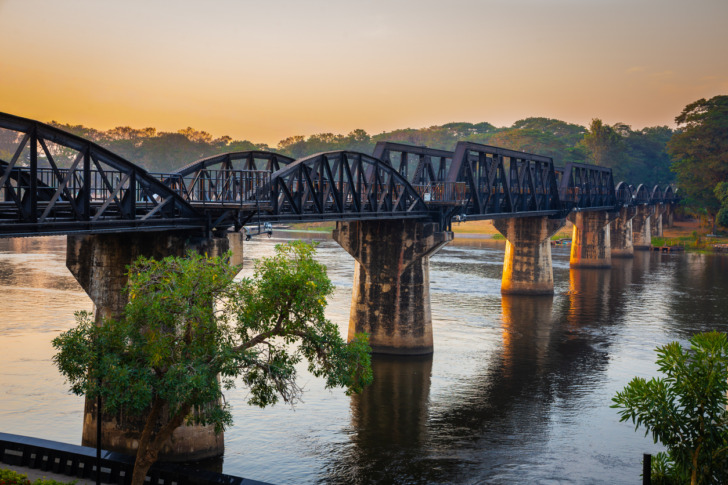
Kanchanaburi sits in western Thailand, where the River Kwai winds past jungle-covered hills, limestone caves, waterfalls, war cemeteries, and one of the most famous railway bridges in Asia.
It is about 120 kilometers west of Bangkok, close enough for a weekend escape but different enough to feel like a proper adventure.
This is a place where travelers come for history, nature, and slower riverside days, not mega-mall chaos or full-moon-party madness.
The province is best known for the Bridge over the River Kwai, the Death Railway, Hellfire Pass, and Erawan National Park, but what I like most is its balance: serious history in the morning, waterfall swimming in the afternoon, and a quiet dinner by the river at night.
Safety-wise, Kanchanaburi is one of Thailand’s calmer tourist areas, though rural roads, heat, water activities, and remote nature spots deserve real attention.
Warnings & Dangers in Kanchanaburi

OVERALL RISK: LOW
Kanchanaburi is generally a safe destination for tourists, especially compared with busier Thai cities and party-heavy resort towns. Violent crime against travelers is uncommon, and most visits are trouble-free. The main risks are practical ones: road accidents, hot weather, slippery waterfalls, rural transport issues, and occasional petty theft in tourist zones.

TRANSPORT & TAXIS RISK: MEDIUM
Transport is the biggest safety concern in Kanchanaburi. Trains, buses, songthaews, tuk-tuks, private drivers, rental scooters, and bicycles are common, but road safety standards vary. Rural roads can be dark, fast, and poorly marked. Always agree on fares first, wear a helmet on scooters, and avoid driving after dark.

PICKPOCKETS RISK: LOW
Pickpocketing is not a major problem in Kanchanaburi, but it can happen around markets, bus stations, train stops, festivals, and crowded attractions. The risk is lower than in Bangkok or major beach destinations. Keep your phone and wallet secure, especially when carrying luggage or taking photos near busy tourist sites.

NATURAL DISASTERS RISK: MEDIUM
Kanchanaburi has seasonal weather risks. The rainy season can bring flooding, slippery trails, swollen rivers, and stronger currents in waterfalls. Hot-season temperatures can also be intense, especially when walking around outdoor historical sites. Nature is one of the province’s best features, but it is also where most tourist injuries happen.

MUGGING RISK: LOW
Muggings are rare in Kanchanaburi, particularly in central tourist areas and around major attractions. Travelers are more likely to face overcharging, minor theft, or accidents than violent robbery. Still, avoid poorly lit riverside paths late at night, do not flash cash, and use common sense after drinking.

TERRORISM RISK: LOW
Kanchanaburi is not a major terrorism hotspot. Thailand has security concerns in some border and far-southern areas, but Kanchanaburi’s main tourist zones are far from the southern insurgency. Travelers should still follow national travel updates, especially near border regions, but terrorism is not a typical concern for visitors here.

SCAMS RISK: LOW
Scams exist, but they are usually mild: inflated taxi fares, overpriced tours, vague transport promises, or motorbike rental disputes. Kanchanaburi is less scam-heavy than Bangkok or Phuket. Book with reputable operators, inspect rental bikes carefully, and be cautious with anyone pushing “special” private tours at transport hubs.

WOMEN TRAVELERS RISK: LOW
Kanchanaburi is generally safe for women travelers, including solo travelers. The town is relaxed, locals are used to visitors, and guesthouse areas are usually calm. The biggest concerns are late-night isolation, drink safety, and remote sightseeing. Choose well-reviewed accommodation, arrange transport ahead, and avoid walking alone in dark rural areas.

TAP WATER RISK: MEDIUM
Do not drink tap water in Kanchanaburi. Bottled water is cheap and widely available, and many hotels provide free drinking water. Use bottled or filtered water for drinking and brushing teeth if you have a sensitive stomach. Ice in established restaurants is usually factory-made, but be more cautious at roadside stalls.
Safest Places to Visit in Kanchanaburi
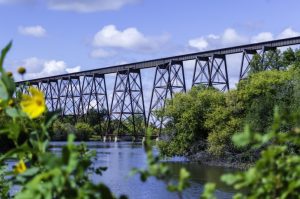
Bridge over the River Kwai
The Bridge over the River Kwai is one of the safest and easiest tourist sites in Kanchanaburi.
It is close to town, surrounded by restaurants, shops, guesthouses, and transport options.
The main thing to remember is railway safety.
Tourists often walk onto the bridge for photos, but trains still use it.
Stay alert, avoid risky photo poses, and step into the side platforms when needed.
Kanchanaburi War Cemetery and Thailand-Burma Railway Centre
This area is calm, central, and easy to navigate.
The cemetery is well-maintained and usually quiet, making it one of the least stressful places to visit in town.
The nearby museum gives important historical context and is a smart first stop before exploring the railway sites.
Erawan National Park
Erawan National Park is one of the safest natural attractions when visited during good weather and daylight hours.
The famous seven-tiered waterfall is well known, staffed, and popular with families and tour groups.
The risk rises on wet rocks, upper trails, and slippery stair sections.
Wear good shoes, follow park signs, and do not swim in restricted areas.
Hellfire Pass Interpretive Centre
Hellfire Pass is a powerful and well-organized historical site.
The interpretive center and walking trail are safe for most visitors, but the heat can be brutal.
Bring water, wear sun protection, and avoid rushing the trail.
It is more remote than attractions in town, so arrange return transport in advance.
Riverside Guesthouse Area
The central riverside zone has many accommodations, cafes, restaurants, and tour offices.
It is usually safe, walkable in parts, and convenient for first-time visitors.
Choose a well-reviewed guesthouse or hotel, especially if you plan to return after dark.
Places to Avoid in Kanchanaburi
Remote Roads After Dark
The most important places to avoid are not specific “bad neighborhoods,” but remote roads after dark.
Many attractions are outside town, and rural roads may have poor lighting, speeding vehicles, stray dogs, uneven surfaces, and limited emergency help.
If you are visiting Erawan, Hellfire Pass, Sai Yok, or cave areas, plan to return before nightfall.
Isolated Riverbanks Late at Night
Kanchanaburi’s riverfront is beautiful, but not every riverside path is busy or well-lit.
Avoid wandering alone along quiet riverbanks late at night, especially after drinking.
Stay around active restaurant and guesthouse areas, and use a taxi or tuk-tuk for longer distances after dark.
Waterfall Trails During Heavy Rain
Erawan and other waterfall areas can become risky during or after heavy rain.
Paths get slick, rocks become dangerous, and water levels can change quickly.
Avoid upper tiers if the weather looks bad, and do not ignore park staff warnings.
A waterfall that looks magical in photos can turn into a very unfriendly staircase of wet stone in real life.
Border and Deep Forest Areas Without a Plan
Kanchanaburi province stretches toward the Myanmar border and includes remote national parks and rural districts.
Most tourists do not need to worry, but independent explorers should not wander into isolated forests or border areas without local guidance.
Stick to known routes, registered tours, and official attractions.
Unverified Motorbike Rental Shops
Do not rent from places that seem casual about paperwork, damage checks, helmets, or pricing.
Motorbike disputes can ruin a trip, and accidents are a bigger risk than crime.
Photograph the bike before leaving, check brakes and lights, and avoid renting if you are not comfortable riding in Thai traffic.
Safety Tips for Traveling to Kanchanaburi
- Treat transport as your main safety issue. Kanchanaburi feels relaxed, but transport still deserves serious attention. Roads outside town can be fast and dark, and tourist attractions are often spread out. If you rent a scooter, wear a helmet every time, even for short rides. If you are not experienced, use taxis, private drivers, trains, or organized tours instead. The prettiest route is not worth a hospital visit.
- Plan your day trips with return transport in mind. Erawan National Park, Hellfire Pass, Sai Yok, and other sites are not all right next door to town. Before you leave, know how you are getting back. Do not assume a taxi or songthaew will magically appear in a remote area late in the afternoon. This is especially important if traveling independently rather than on a tour.
- Be careful on the Bridge over the River Kwai. The bridge is not just a photo prop. It is an active railway bridge, and tourists sometimes get too comfortable while taking photos. Stay aware of train times, watch where you step, and move to safety platforms when needed. Avoid leaning over edges or standing in the track area for dramatic pictures.
- Wear proper shoes at waterfalls and caves. Flip-flops are great for guesthouse life, but they are a terrible choice for wet rocks, steep trails, caves, and jungle paths. Bring sandals with grip or lightweight hiking shoes. At Erawan, the lower levels are easier, while the upper levels require more care. Slips and falls are among the most common tourist risks here.
- Do not drink tap water. Stick with bottled or filtered water. Kanchanaburi is hot, and dehydration can sneak up on you quickly when visiting outdoor sites. Carry water during day trips, especially to Hellfire Pass or national parks. Many stomach issues while traveling come from water, ice, poorly washed produce, or careless food handling.
- Use sunscreen and respect the heat. Kanchanaburi can be seriously hot, especially from late morning to mid-afternoon. Outdoor attractions often involve walking, stairs, open railway areas, and limited shade. Wear a hat, apply sunscreen, take breaks, and carry water. If you feel dizzy, weak, or nauseous, stop immediately and cool down.
- Keep valuables low-key. Kanchanaburi is not a pickpocket capital, but relaxed places can make travelers careless. Keep your passport locked at your accommodation unless needed. Carry only the cash you need for the day, and use a crossbody bag or zipped pocket in markets and transport areas. Do not leave phones unattended on restaurant tables.
- Book tours and drivers through trusted sources. Many local operators are honest and helpful, but quality varies. Book through your hotel, a well-reviewed tour office, or a reliable platform. For private drivers, confirm the price, route, stops, waiting time, and return plan before leaving. A cheap trip can become expensive if the details are fuzzy.
- Be cautious with alcohol near the river. Kanchanaburi is quieter than Thailand’s big nightlife areas, but the same rules apply. Watch your drink, know your way back to your accommodation, and avoid swimming or walking along dark river areas after drinking. Rivers, low lighting, and alcohol are a poor combination.
- Check the weather before nature trips. Rain can change everything in Kanchanaburi. A trail that is easy in dry weather can become slippery and frustrating during rain. Waterfall currents can strengthen, and rural roads can become more hazardous. During rainy season, keep your schedule flexible and prioritize safety over squeezing in every stop.
So... How Safe Is Kanchanaburi Really?
Kanchanaburi is genuinely one of the easier Thai destinations to recommend from a safety perspective.
It is not crime-free, and it is not risk-free, but its risk profile is more about accidents, weather, and common travel mistakes than violent crime.
For most visitors, the trip will involve museums, river views, railway history, waterfalls, night markets, and quiet guesthouses rather than danger.
The biggest issue is road safety.
Thailand has a high road accident rate compared with many countries, and that matters in a province where travelers often rent scooters or take long day trips on rural roads.
Add heat, rain, mountain roads, and occasional poor lighting, and transport becomes the thing to respect most.
Petty theft is possible but not a defining problem.
Scams are usually low-level and avoidable with basic preparation.
Natural areas are beautiful but require caution, especially at waterfalls and caves.
Women travelers generally report feeling comfortable here, though solo travelers should still avoid isolated areas at night.
My honest verdict: Kanchanaburi is safe for thoughtful travelers.
If you use reputable transport, avoid risky scooter adventures, drink bottled water, and take nature seriously, it is a calm, rewarding, and very manageable destination.
How Does Kanchanaburi Compare?
| City | Safety Index |
|---|---|
| Kanchanaburi |
77 |
| Chiang Mai |
80 |
| Phuket |
65 |
| Ayuthaya |
79 |
| Pattaya |
55 |
| Chiang Rai |
77 |
| Bangkok |
65 |
 Minot Minot | 81 |
| Dallas | 64 |
| Somerset | 86 |
| Portage | 87 |
| North Carolina | 64 |
| New Paltz | 79 |
Useful Information

Visas
Many tourists can enter Thailand visa-free for short stays, with the allowed duration depending on nationality and current Thai entry rules. Some travelers may need a tourist visa in advance. Always check requirements before flying. Visa extensions are usually handled at immigration offices for a fee, commonly around 1,900 Thai baht.

Currency
Thailand uses the Thai baht. Cash is useful in Kanchanaburi, especially for markets, small restaurants, local transport, and park fees. ATMs are widely available, but withdrawal fees can be high. Exchange money at reputable booths or banks, and avoid changing large amounts at airports unless necessary.

Weather
Kanchanaburi is hot for much of the year. The cool season, roughly November to February, is the most comfortable. March to May can be very hot, while the rainy season brings greener scenery but wetter trails. Pack light clothing, sunscreen, a hat, insect repellent, and shoes with grip.

Airports
Kanchanaburi does not have a major commercial airport for typical international travelers. Most visitors arrive in Bangkok via Suvarnabhumi Airport or Don Mueang Airport, then continue by train, bus, minivan, taxi, or private transfer. The journey from Bangkok usually takes around two to three hours, depending on traffic and transport type.

Travel Insurance
Travel insurance is strongly recommended for Kanchanaburi, especially if you plan to ride scooters, visit waterfalls, hike, take trains, or explore rural areas. Make sure your policy covers medical care, accidents, trip delays, lost belongings, and adventure activities. Thailand is affordable, but emergency treatment can still become expensive fast.
Kanchanaburi Weather Averages (Temperatures)
Average High/Low Temperature
| Temperature / Month | Jan | Feb | Mar | Apr | May | Jun | Jul | Aug | Sep | Oct | Nov | Dec |
|---|---|---|---|---|---|---|---|---|---|---|---|---|
| High °C |
32 | 35 | 37 | 38 | 35 | 34 | 33 | 33 | 32 | 32 | 31 | 31 |
| Low °C |
18 | 21 | 24 | 25 | 25 | 25 | 25 | 24 | 24 | 23 | 21 | 19 |
| High °F |
90 | 95 | 99 | 100 | 95 | 93 | 91 | 91 | 90 | 90 | 88 | 88 |
| Low °F |
64 | 70 | 75 | 77 | 77 | 77 | 77 | 75 | 75 | 73 | 70 | 66 |
Thailand - Safety by City
| City | Safety Index |
|---|---|
| Ayuthaya | 79 |
| Bangkok | 65 |
| Chiang Mai | 80 |
| Chiang Rai | 77 |
| Kanchanaburi | 77 |
| Krabi | 70 |
| Pattaya | 55 |
| Phuket | 65 |













Did you find any good spots to eat by the river that aren’t too crowded but still have a nice view?