


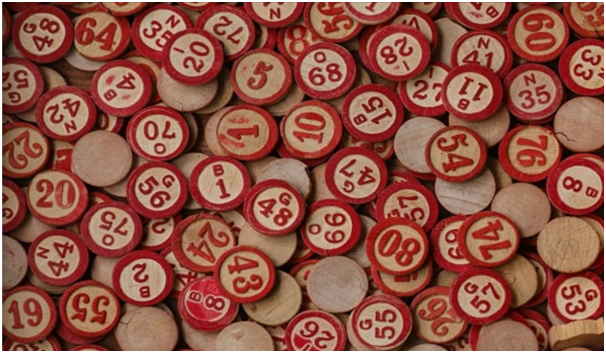
There’s something special about hearing a bingo caller’s voice, the rustle of cards, and the cheer when someone yells “Bingo!” — whether it’s in a town hall, a café, or an online room full of players worldwide.
Bingo brings people together across ages and countries.
It’s more than luck — it’s a shared moment of fun and connection.
In some places, it’s a weekly community event; in others, a digital game on mobile phones.
The rules and traditions may differ, but the excitement is always the same.
Around the world, bingo continues to evolve, blending tradition with technology and reminding us why simple games often bring the most joy.
A Quick Look at Bingo’s Global Journey
Bingo’s story is one of change and lasting charm.
From its early beginnings in the Renaissance to its global popularity today, the game has grown alongside its players.
Its spread across cultures shows why some countries embraced it early, while others are only now discovering its appeal online.
From Italian Origins to British Halls
Bingo began in 16th-century Italy as Lo Giuoco del Lotto d’Italia, a lottery-style game of luck and excitement.
It soon spread across Europe, where it became popular with both the upper class and children learning numbers and words.
By the early 1900s, the game had evolved into the lively, community-focused version we know today, played in halls filled with laughter, suspense, and connection.
This rich social tradition helped bingo grow into one of the world’s most beloved games.
Crossing the Atlantic and Spreading Worldwide
In the 1920s, the United States gave bingo a new life.
First called Beano, it got its name when someone excitedly shouted “Bingo!”
The game soon became popular in churches and community centers for fun and charity.
Over time, it spread across the world—taking on local flavors and styles wherever it went.
In Asia, it’s grown rapidly online, bringing a modern twist to a classic game.
No matter where it’s played, the thrill is the same: waiting for that final number.
Today, bingo still brings people together with its simple, timeless fun.

The UK: The Beating Heart of Bingo
Bingo has a special place in the UK.
What began as a simple numbers game has grown into a beloved pastime full of fun, friendship, and community.
From classic bingo halls to today’s online bingo, the game remains a cherished part of life across the country.
Bingo’s Cultural Roots in British Life
UK bingo has deep roots in post-war Britain.
In the 1940s and 50s, it gave people fun and a reason to come together.
By the 1960s, bingo halls filled towns with laughter, friendly competition, and a sense of community.
They became more than games – they were gathering places. Many halls also hosted charity events for schools, hospitals, and local causes, making bingo a unifying tradition.
Today, charity bingo still keeps that spirit of connection alive.
Modern Trends and the Rise of Online Bingo
Bingo’s classic charm is still strong, but technology has changed how we play.
Online bingo in the UK lets fans join games anytime – on a laptop at lunch or a phone before bed.
Around 3.5 million Brits play regularly, with many enjoying themed rooms, chat, and convenience, while others prefer traditional halls.
Younger players, aged 25 – 40, are helping the game grow.
Operators like Buzz and Gala offer both online and in-person games, keeping bingo fun for all ages.
At its heart, bingo is still about community, laughter, and shared moments of joy.
The USA: From Church Halls to Digital Platforms
In the U.S., bingo is more than a game – it’s a cherished tradition that brings people together.
From small-town events and church fundraisers to today’s mobile apps, bingo has evolved while keeping its social spirit.
Its mix of fun, community, and creativity makes it a lasting favorite.
Bingo’s Role in American Community Life
Bingo came to America in the 1920s as ‘Beano,’ where players marked cards with dried beans.
Toy salesman Edwin S. Lowe later popularized it as ‘Bingo.’ The game quickly became a hit at fairs, carnivals, and especially church events.
Church bingo nights weren’t just fun – they raised money for schools, hospitals, and communities.
For many, it was a weekly tradition that brought neighbors together, crossing age and class lines.
With just cards, a caller, and a room full of excitement, bingo became one of the most simple and beloved games across the U.S., from small towns to big cities.
The Digital Shift and Changing Bingo Culture
As entertainment changed, so did American bingo.
The rise of online platforms in the 2000s brought new excitement, letting players join from home with chat rooms, virtual tokens, and themed games.
This digital shift attracted younger players while keeping longtime fans engaged.
Today, millions play online bingo on apps or social platforms, mixing gaming with social interaction.
Players range from retirees to millennials enjoying lighthearted fun.
Bingo laws vary by state – some limit it to charity events, others allow cash prizes – creating unique local traditions.
Yet one thing hasn’t changed: whether in a hall or on a phone, shouting ‘Bingo!’ still delivers the same thrill.
Spain: Bingo Meets Fiesta Spirit
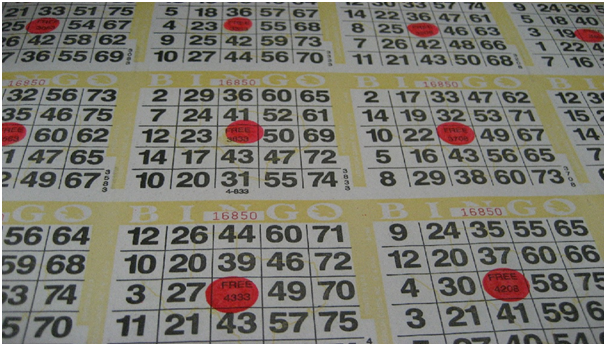
In Spain, bingo is more than a game – it’s a celebration. With lively crowds, cheerful energy, and a sense of togetherness, it reflects the country’s love for social fun.
Whether in halls, local gatherings, or online, Spanish bingo always brings warmth and excitement.
Few countries enjoy bingo like Spain.
Introduced in the mid-20th century, it quickly became a social favorite.
Spaniards love it not just for winning, but for the laughter, stories, and friendly competition it brings.
Bingo halls across the country are lively spots filled with chatter, music, and food.
Friends, families, and coworkers often gather to play after work or on weekends.
Bingo also appears at festivals and charity events, blending fun with community.
In Spain, bingo is less about gambling and more about sharing joy and connection.
From Traditional Halls to Digital Fiesta
Online bingo in Spain has grown fast, thanks to mobile apps and changing habits.
Traditional bingo now comes to life digitally with themed rooms, live hosts, and voice calls that capture the excitement of real halls.
Young players in their 20s and 30s enjoy colorful, social apps like Botemanía, Bingo.es, and PlayOJO España.
Whether in a busy hall or on your phone, Spanish bingo stays fun and lively — it’s about sharing the joy of connection, one ‘¡Bingo!’ at a time.
Brazil: A Passionate Community Despite Legal Limits
In Brazil, bingo has long been a beloved game, bringing laughter, excitement, and community.
Even with stricter rules, people’s love for it hasn’t faded.
Today, bingo thrives at social events, charity gatherings, and online platforms – a story of passion, resilience, and adaptation.
The Golden Age of Brazilian Bingo
Before legal restrictions, bingo was hugely popular across Brazil.
From the 1990s to early 2000s, bingo halls were lively places where people of all ages played, chatted, and enjoyed music.
They employed thousands and became entertainment landmarks in São Paulo, Rio, and Brasília.
Even when most halls closed, Brazilians kept the fun alive with private games, charity events, and community gatherings.
When traditional bingo halls closed, technology gave the game a new life in Brazil.
Online and mobile bingo quickly grew popular as internet access spread.
Players now enjoy the thrill through social apps, livestreams, and Latin American platforms, keeping the game’s lively, communal spirit alive.
Many platforms feature Portuguese hosts, chat rooms, and familiar themes to make players feel at home.
Social media also helps players connect, share wins, and recreate the joy of bingo halls.
For many Brazilians, digital bingo isn’t just a substitute – it’s a fun, modern way to celebrate a beloved tradition.
Canada, Australia & the Nordics: Quiet Yet Steady Favorites
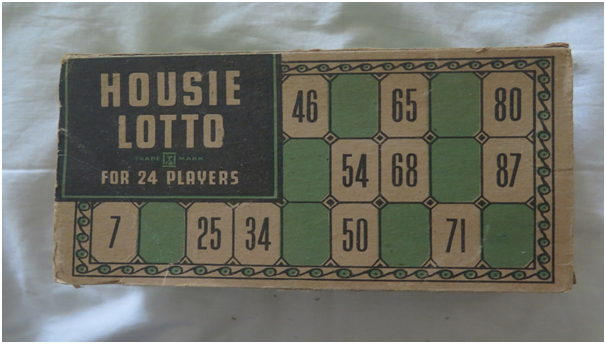
In some countries, bingo comes alive in lively halls and festivals; in others, it’s enjoyed quietly but with the same passion.
The Nordic countries and many others share a rich bingo tradition, full of community and simple joy.
Though styles differ, all show why bingo remains a beloved game worldwide.
Canada’s Tradition of Charity and Community Bingo
In Canada, bingo has always been about community and giving back.
From small-town halls to local centers, it brings people together while supporting schools, hospitals, and local projects.
In rural areas, weekly games are social lifelines, especially during long winters.
In larger cities, bigger halls and online platforms let new generations join in.
Today, online bingo combines modern convenience with the warmth of classic games, helping Canadians stay connected no matter the distance.
Australia’s “Housie” and the Nordic Digital Revolution
In Australia, bingo is called Housie.
The rules are similar, but the game has a laid-back, social vibe.
Played in clubs, RSLs, and charity events, it’s more about tradition and fun than gambling.
In some northern European countries, bingo has gone digital.
Sleek online platforms with live hosts, chat rooms, and real-time tournaments keep the community spirit alive while attracting younger, tech-savvy players.
Today, bingo in the region blends tradition with modern design, making it fun for both longtime fans and new players.
Asia’s Emerging Bingo Markets
Once seen as a Western game, bingo is now spreading across Asia.
From bustling cafés to mobile apps and online communities, people are embracing this classic game.
Technology, social play, and local twists are giving bingo a fresh, exciting chapter in the region.
Rising Popularity in the Philippines, Japan, and India
Bingo is loved worldwide for its social, fun spirit.
In the Philippines, it’s played in malls, charity events, and online, often with local celebrities hosting.
Elsewhere, bingo shows up at festivals and company events, with mobile apps adding themed graphics and multiplayer fun.
It’s also growing fast online, with apps offering free and real-money play.
From family gatherings to digital platforms, bingo brings people together everywhere.
Technology and the Rise of Mobile Bingo in Asia
Mobile bingo is booming across Asia, reaching millions through smartphones.
Developers now create games that fit each country’s culture and language.
Platforms like Facebook, Line, and Telegram let players chat, share wins, and join virtual rooms live.
Asian bingo mixes tradition with technology, keeping the joy of community play online.
From Manila to Tokyo to Mumbai, bingo is evolving into a local, modern experience.
Even a centuries-old game can thrive in today’s digital world.
Online Bingo: The Borderless Era
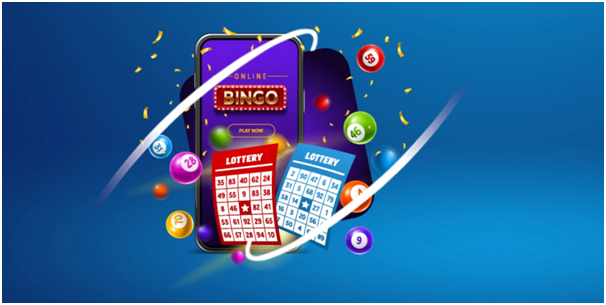
The digital age has changed bingo completely.
No longer just in local halls, it’s now online, connecting players around the world.
Today, online bingo is more than a game – it’s a social experience that mixes tradition with modern technology.
How Digital Platforms Blurred National Boundaries
Global bingo sites have removed distance and language barriers.
Now, anyone with a phone or computer can play with people from the UK, Brazil, Japan, or Spain in the same virtual room.
Thousands of games run daily, creating a worldwide community full of excitement.
Live streams, chat, and translation make it easy to connect, while on-screen hosts bring the feel of real bingo halls.
Social features and mini-games on platforms like Facebook and Twitch make bingo a fun, shared experience for everyone.
Localized Experiences for a Global Audience
Online bingo is popular worldwide because it adapts to local cultures.
Games use translated interfaces, familiar symbols, and regional sounds.
In Europe, rooms celebrate holidays or football; in Asia, local motifs and bilingual chat appear; in Latin America, music and festive visuals bring real-life energy online.
Mobile play lets anyone join casual games or tournaments anytime, connecting with global communities.
With AR, voice controls, and interactive features, bingo keeps growing through fun, connection, and diversity.
What Makes a Country Love Bingo?
Why do some countries love bingo while others barely notice it?
It’s about culture, community, and timing.
Bingo thrives where people come together, offering more than just a game – it’s a reason to connect.
That’s why bingo continues to bring people together around the world.
Culture, Community, and the Joy of Togetherness
Bingo is more than a game – it’s a social experience.
In countries like the UK, Spain, and the Philippines, people gather weekly for laughs, stories, and shared excitement.
The game brings a sense of belonging, connecting players one number at a time.
It’s easy to join, needs no special skills or equipment, and welcomes everyone.
Families, friends, and strangers can play together, bridging generations in a fun, friendly way.
Bingo also supports communities through charity events and fundraisers, making it a game of both joy and connection – even in today’s digital world.
Economy, Law, and the Shape of Bingo Worldwide
Bingo is more than fun – it’s shaped by social and legal factors.
In countries like the UK and Sweden, clear rules help it thrive in halls and online.
In places with stricter laws, like Brazil and Japan, bingo grows through social or charity games.
Its popularity often rises in tough times because it’s affordable, social, and comforting.
Online bingo thrives where mobile access is strong.
No matter the form, bingo connects people, brings comfort, and creates simple joy.
It’s more than a game – it’s part of the human story.
Conclusion
Bingo’s journey around the world shows how play can bring people together.
From bustling British halls to Spain’s colorful fiestas, Canada’s charity games, and Asia’s growing digital rooms, every culture adds its own touch.
The sounds, stakes, and traditions may differ, but the shared joy, connection, and anticipation remain the same.
Once a simple game of chance, bingo has become a global pastime, growing with each generation.
Asia and Africa are leading its next rise through mobile and digital play, and the metaverse may make it even more immersive.
Through all these changes, bingo stays human – full of laughter, shared wins, and a sense of belonging.
At its heart, bingo is about connection, not just luck.
Additional Resources
 Earn Money While Traveling: Exploring the World Without Breaking the Bank
 Digital Detours: Making the Most of Your Travel Downtime Online
 Why Online Entertainment is Now Essential for Michigan Travelers
 The Thrill of Local Sports Betting – Immersive Experiences for Travelers
 Why Do You Need Geolocation to Travel and Meet People Around the World?
 How Hobbies and Gaming Can Enhance Your Travels












I was surprised how lively the bingo hall was on a Friday night, with everyone chatting and cheering like old friends.
Last night at the local bingo hall, hearing everyone shout “Bingo!” after that last number was such a warm, fun moment you don’t get from any app.