


 Australia : Safety by City
- Adelaide
- Alice Springs
- Brisbane
- Broome
- Byron Bay
- Cairns
- Canberra
- Darwin
- Fremantle
- Geelong
- Gold Coast
- Hobart
- Launceston
- Melbourne
- Perth
- Port Douglas
- Sydney
- Townsville
- Wollongong
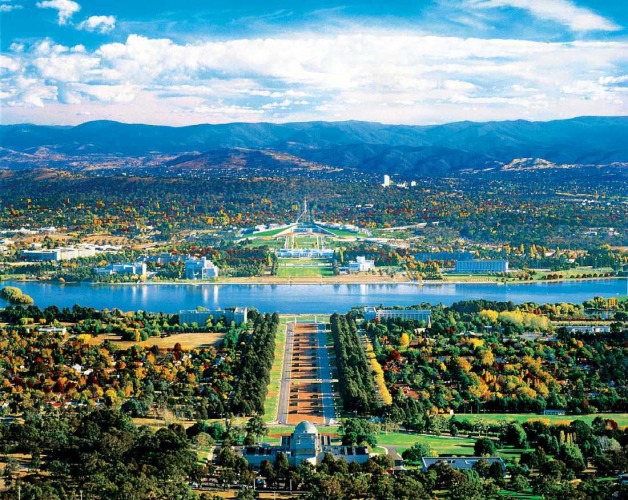
Canberra sits in the Australian Capital Territory between Sydney and Melbourne, but it does not feel like a rushed, oversized capital.
It feels planned, spacious, and surprisingly calm.
Wide roads, orderly neighborhoods, major museums, and the huge blue sweep of Lake Burley Griffin give the city a clean, open atmosphere that many travelers find easy to navigate.
Unlike denser capitals where tourism and nightlife drive the pace, Canberra moves with a steadier rhythm built around government, universities, and culture.
That matters for safety, because cities that feel less chaotic often are easier to handle on the ground.
In my view, Canberra is one of the more comfortable urban destinations in Australia for first-time visitors, solo travelers, and families, provided you respect the local climate, avoid isolated areas late at night, and treat the bushfire season seriously.
Warnings & Dangers in Canberra

OVERALL RISK: LOW
Canberra is generally a low-risk destination for travelers. The city benefits from strong infrastructure, relatively high public confidence in policing, and a reputation for being calmer than larger Australian cities. Most visitors are far more likely to deal with petty inconvenience, heat, or transport timing issues than serious violent crime.

TRANSPORT & TAXIS RISK: LOW
Transport risk in Canberra is low. Public transport is organized, the airport link is simple, and taxis and rideshares are well established. The main issue is not danger so much as convenience: services can feel limited compared with larger cities, especially late at night or outside central areas. Normal precautions around rideshare pickup and quiet stops after dark are enough.

PICKPOCKETS RISK: LOW
Pickpocket risk is low in Canberra, especially compared with major global tourist cities. The city does not have the same dense crowds, packed metro stations, or hyper-touristed zones where stealth theft thrives. That said, bags and phones can still disappear in nightlife areas, busy events, cafes, and transport interchanges, so basic awareness still matters.

NATURAL DISASTERS RISK: MEDIUM
Natural disaster risk is the category travelers should take most seriously. Canberra can face bushfire danger in hotter months, and sudden weather shifts can affect outdoor plans. Summer heat, smoke, and dry conditions can become a real concern, especially in nature reserves, parks, and on roads outside the urban core.

MUGGING RISK: LOW
Mugging risk is low in Canberra. Violent street crime does happen, as it can anywhere, but it is not what defines the visitor experience here. Travelers are much more likely to feel safe in the central districts during the day. The biggest vulnerability comes late at night in quiet, poorly populated spots.

TERRORISM RISK: MEDIUM
Terrorism risk is best described as medium in a national context, not because Canberra feels tense for tourists, but because it is the capital city and home to major government institutions. For visitors, this does not usually change daily travel behavior, but it does mean extra awareness around government buildings, public events, and security instructions is sensible.

SCAMS RISK: LOW
Scam risk in Canberra is low for in-person tourism scams, but online and payment scams remain a real issue across Australia. Visitors are more likely to face fake booking offers, suspicious payment requests, phishing texts, or card-related tricks than classic street hustles. Be especially wary of urgent messages and deals that look unrealistically cheap.

WOMEN TRAVELERS RISK: LOW
Women travelers will usually find Canberra comfortable, manageable, and relatively low stress. Well-known districts, cultural attractions, and daytime transport routes are generally straightforward. The usual cautions still apply after dark: avoid isolated lake paths, empty car parks, and bushland edges alone at night, and pre-book your ride if you are heading home from nightlife areas.

TAP WATER RISK: LOW
Tap water risk is low. Canberra’s water supply is safe to drink and closely monitored. For most travelers, buying bottled water is unnecessary unless you simply prefer the taste. Carry a refillable bottle, especially in the dry summer months when dehydration can creep up on you faster than expected.
Safest Places to Visit in Canberra
Some of the safest and most enjoyable parts of Canberra are also the ones most visitors naturally gravitate toward.
The Parliamentary Triangle is a good example.
This area includes major national institutions, broad roads, formal landscaping, and a visible public presence that tends to make it feel orderly and secure.
Attractions such as the National Gallery of Australia, National Library, and Questacon sit in zones that are easy to explore during the day without much friction.
Lake Burley Griffin is another standout, especially around well-used stretches with cafes, paths, and regular foot traffic.
During daylight hours, the lakefront feels relaxed rather than edgy, making it a great place for walking, cycling, or simply getting your bearings in the city.
Commonwealth Park and the central civic area are also comfortable for visitors when they are active and populated.
For families, museum-heavy parts of Canberra are excellent choices because they combine clear navigation, public amenities, and a lower-pressure city atmosphere.
Braddon is also enjoyable for food and coffee, particularly by day and early evening, when the area feels lively without becoming overwhelming.
In general, the safest visitor strategy in Canberra is simple: stick to well-known central districts, major attractions, and busy public spaces, especially if it is your first trip.
Canberra rewards travelers who keep things easy and structured rather than trying to treat the city like an all-night party destination.
Places to Avoid in Canberra
Canberra does not really have a famous no-go tourist district in the way some larger cities do, and that is worth saying clearly.
Most warnings here are about timing and isolation rather than a specific suburb that every traveler must avoid.
Still, there are a few situations and areas where caution is smart.
Civic late at night deserves more care than Civic during the day.
It is the city center, so it attracts nightlife, transport movement, and the occasional drunken or disruptive behavior after venues close.
Parts of Braddon can feel similar late at night, especially around bars and quieter side streets once the crowds thin out.
These are not areas most travelers need to fear, but they are places to stay alert, watch your drinks, and avoid wandering distracted.
Quiet stretches around Lake Burley Griffin after dark are less about crime statistics and more about visibility and vulnerability.
Long paths, limited lighting in some sections, and fewer people around can make even a generally safe city feel uncomfortable.
The same goes for isolated bushland fringes, nature reserves, and parking areas near walking tracks.
Canberra’s outdoor lifestyle is a strength, but the city’s open layout means you can move from busy to empty very quickly.
I would also be careful around remote roads and reserve areas during periods of high fire danger or extreme heat.
In Canberra, environmental conditions can create bigger problems for travelers than urban crime.
So the places to avoid are often not infamous neighborhoods, but underpopulated spaces at the wrong time of day, or natural areas when weather conditions are working against you.
Safety Tips for Traveling to Canberra
- Take bushfire warnings seriously. Canberra’s biggest travel risk is often environmental, not criminal. During hotter months, monitor local conditions before heading into reserves, lookout points, or rural edges of the ACT. If fire danger is elevated, change your plans early instead of hoping conditions will hold.
- Do not underestimate the summer sun. Canberra can be dry and deceptively intense in warm weather. Carry water, use sunscreen, and avoid long midday walks without shade. Visitors who are used to humid climates sometimes notice dehydration later than they should.
- Stay in central, well-connected areas if it is your first visit. Accommodation near Civic, Braddon, or the Parliamentary Triangle makes sightseeing easier and reduces the chance of getting stranded somewhere quiet after dark. Canberra is spread out, so location matters more here than in some compact cities.
- Use licensed taxis or established rideshare apps at night. Canberra is not especially risky for transport, but late-night convenience can drop off. Book your ride through a proper service, confirm the vehicle details, and avoid accepting lifts from strangers outside nightlife spots.
- Keep normal city awareness in nightlife districts. Pickpocketing is not a defining Canberra problem, but phones, wallets, and handbags can still vanish if you get careless in bars or crowded events. Keep valuables zipped and do not leave them on tables or the back of chairs.
- Avoid isolated parks, paths, and lakefront areas after dark. The city can feel wonderfully open by day, but that same openness can leave you alone very quickly at night. Stick to populated routes and avoid turning scenic walks into after-hours shortcuts.
- Prepare for cooler nights, even outside winter. Canberra’s temperature swings can catch travelers off guard. A mild afternoon can turn into a chilly evening, especially near the lake or in open spaces. Bring layers so you are not forced into long walks while uncomfortable and distracted.
- Be careful on the roads. If you rent a car, take road safety seriously. Give yourself extra caution at intersections, avoid distractions, and do not assume quiet roads mean low risk.
- Treat digital scams as a real travel threat. Fake booking messages, payment links, and urgent texts can target anyone. Never rush a transfer, verify any accommodation or ticket issue directly, and be suspicious of pressure tactics. Canberra is low on street scams, but online scams are another story.
- Save emergency information before you head out. Keep your hotel address, offline maps, transport options, and emergency contacts on your phone. Canberra is easy to navigate overall, but if your battery dies in a spread-out city, simple problems become more annoying than they need to be.
So... How Safe Is Canberra Really?
Canberra is genuinely one of the safer capital-city trips in the region, especially for travelers who prefer organized, lower-chaos destinations.
What stands out is not just that the city feels calm, but that the underlying conditions support that impression: solid public infrastructure, reliable drinking water, manageable airport access, and a lower-pressure street environment than many major tourist hubs.
That said, “safe” does not mean “carefree.”
Canberra’s real vulnerabilities are often practical and environmental.
Bushfire conditions, heat, smoke, isolated outdoor spaces, and quiet nighttime areas can create problems faster than most visitors expect.
The city is also spacious, which means you cannot always rely on crowds, open shops, or frequent transport to smooth things over if something goes wrong.
And while violent crime is not the defining traveler risk, alcohol-fueled nightlife issues, theft of unattended property, and online scams are still part of the modern travel landscape.
My honest take: Canberra is low risk for most tourists and especially comfortable for solo travelers, couples, and families who plan sensibly.
Respect the weather, stay aware after dark, and you will probably find it one of Australia’s easiest cities to visit.
How Does Canberra Compare?
| City | Safety Index |
|---|---|
| Canberra |
88 |
| Melbourne |
80 |
| Gold Coast |
69 |
| Port Douglas |
88 |
| Brisbane |
90 |
| Townsville |
77 |
| Launceston |
89 |
 West Columbia West Columbia | 65 |
| Rushville | 86 |
 Belnem Belnem | 92 |
| Saginaw | 42 |
 Mississauga Mississauga | 85 |
 Galle Galle | 77 |
Useful Information

Visas
Visa rules depend on your passport. Many travelers can use Australia’s ETA or eVisitor options, while others need a standard Visitor visa. Costs and processing times vary by nationality and visa type, so check the current requirements before booking your trip. Apply through official government channels and leave yourself extra time in case processing is delayed.

Currency
Canberra uses the Australian dollar, or AUD. Card payments are widely accepted across the city, so many travelers only need a small amount of cash. Exchange money at airports, banks, or reputable exchange providers, and avoid poor-value last-minute swaps. Using a debit or credit card with low foreign transaction fees is often the easiest option.

Weather
Canberra has clear seasonal shifts, with warm to hot summers and noticeably cool winters, especially at night. Pack light clothing, sunscreen, and a hat for summer, but always bring layers because temperatures can drop quickly in the evening. Winter visitors should prepare for cold mornings and nights, even when daytime conditions look mild.

Airports
Canberra Airport is the main gateway for visitors. It sits close to the city, and getting into central Canberra is usually quick by bus, taxi, rideshare, or rental car. Travel time is often under 20 minutes depending on traffic. Compared with larger capitals, arrival here is generally straightforward and low stress.

Travel Insurance
Travel insurance is a smart buy for Canberra even though the city is relatively low risk. It is most useful for trip cancellations, medical costs, lost baggage, rental car issues, and disruptions caused by weather or bushfire conditions. A calm destination can still become expensive fast if a booking problem or emergency catches you unprepared.
Canberra Weather Averages (Temperatures)
Average High/Low Temperature
| Temperature / Month | Jan | Feb | Mar | Apr | May | Jun | Jul | Aug | Sep | Oct | Nov | Dec |
|---|---|---|---|---|---|---|---|---|---|---|---|---|
| High °C |
28 | 26 | 23 | 19 | 14 | 11 | 10 | 12 | 15 | 19 | 22 | 25 |
| Low °C |
14 | 14 | 12 | 9 | 5 | 3 | 2 | 2 | 4 | 7 | 10 | 12 |
| High °F |
82 | 79 | 73 | 66 | 57 | 52 | 50 | 54 | 59 | 66 | 72 | 77 |
| Low °F |
57 | 57 | 54 | 48 | 41 | 37 | 36 | 36 | 39 | 45 | 50 | 54 |
Australia - Safety by City
| City | Safety Index |
|---|---|
| Adelaide | 88 |
| Alice Springs | 70 |
| Brisbane | 90 |
| Broome | 86 |
| Byron Bay | 85 |
| Cairns | 61 |
| Canberra | 88 |
| Darwin | 70 |
| Fremantle | 85 |
| Geelong | 86 |
| Gold Coast | 69 |
| Hobart | 90 |
| Launceston | 89 |
| Melbourne | 80 |
| Perth | 85 |
| Port Douglas | 88 |
| Sydney | 85 |
| Townsville | 77 |
| Wollongong | 55 |






The reason Canberra has a medium chance of terrorism is because that’s where the Aussie government is
Not sure if the flower festival lives up to the hype, but the parks are definitely nice for a lazy afternoon.
There’s something pretty calming about how open everything is around the lake, made me feel less crowded than other cities I’ve been to.
I once stayed near Lake Burley Griffin and honestly, the calm vibe there made exploring the museums so much more enjoyable without the usual city rush.