


 Netherlands : Safety by City
Netherlands - safety as a country
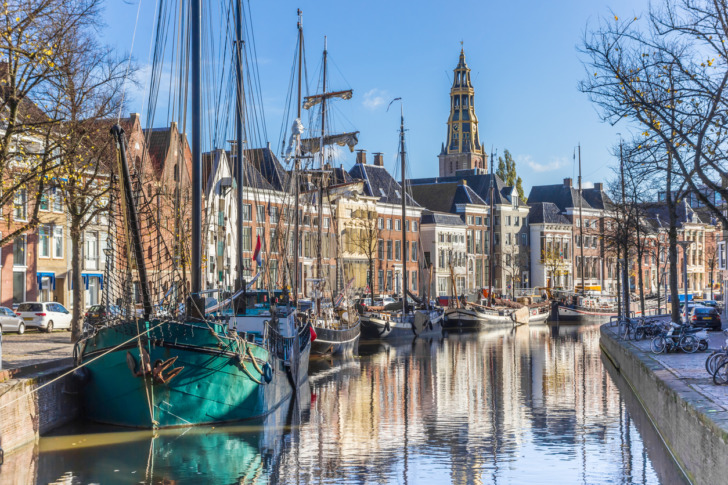
Groningen is one of those Dutch cities that feels like it was built for curious wanderers.
Tucked up in the far north of the Netherlands, about two hours by train from Amsterdam, it is youthful, bike-filled, historic, and slightly underrated in the best possible way.
The city is famous for its university culture, canals, lively squares, the Martinitoren, and a center that somehow feels both medieval and modern.
It is also one of the most bicycle-oriented cities in a country already obsessed with cycling, which tells you a lot. Groningen is not a flashy, high-risk destination.
It is relaxed, friendly, and generally safe, but like any busy student city, it has a few nighttime theft, traffic, and alcohol-related risks worth knowing before you go.
Warnings & Dangers in Groningen

OVERALL RISK: LOW
Groningen is a safe city for tourists, especially compared with larger European destinations. Violent crime is uncommon, the city center is walkable, and public areas are generally well-maintained. The main concerns are bicycle traffic, petty theft, late-night rowdiness, and basic travel mistakes, not serious danger.

TRANSPORT & TAXIS RISK: LOW
Public transportation in Groningen is reliable and safe, with buses serving the city and trains connecting it to the rest of the Netherlands. Taxis are generally regulated, but they are not always necessary because the center is compact. The bigger transport issue is watching out for bikes, especially near stations, crossings, and university areas.

PICKPOCKETS RISK: LOW
Pickpocketing is not a major problem in Groningen, but it can happen in crowded bars, around Groningen Central Station, markets, shopping streets, and busy events. The risk is lower than in Amsterdam, but travelers should still keep phones, wallets, and bags secure, especially at night or in packed nightlife areas.

NATURAL DISASTERS RISK: LOW
Groningen does not face major natural disaster risks like hurricanes, wildfires, or severe earthquakes that would typically threaten tourists. However, northern Netherlands can experience strong winds, heavy rain, icy streets, and occasional winter travel disruption. The region has also had gas-extraction-related tremors, but these are not usually a direct tourist safety concern.

MUGGING RISK: LOW
Muggings are rare in Groningen, particularly in tourist-friendly parts of the city. Most visitors will never feel threatened while walking around during the day. At night, use normal city sense: avoid isolated streets, do not wander drunk and alone, and be more alert around nightlife zones after bars close.

TERRORISM RISK: MEDIUM
Groningen itself is not known as a major terrorism target, but the Netherlands remains part of the broader European security environment. Public transport, events, and crowded public spaces can carry some risk anywhere in the country. For travelers, the practical advice is simple: stay alert in crowds and follow local instructions during emergencies.

SCAMS RISK: LOW
Tourist scams are not widespread in Groningen. You are less likely to encounter aggressive street scams here than in bigger tourist cities. Still, be cautious with unofficial taxis, fake ticket resales, suspicious payment links, and strangers creating distractions. In bars, always keep an eye on your drink and belongings.

WOMEN TRAVELERS RISK: LOW
Groningen is generally safe for women travelers, including solo travelers. The city has a young, international student atmosphere, and most central areas feel comfortable. Late-night nightlife can bring drunk behavior, catcalling, or unwanted attention, so it is smart to use well-lit routes, travel with others after midnight, and avoid isolated parks.

TAP WATER RISK: LOW
Tap water in Groningen is safe to drink and of high quality, just like elsewhere in the Netherlands. Travelers can refill bottles from sinks without concern. Bottled water is unnecessary unless you prefer it. Bringing a reusable bottle is a good idea, especially if you plan to walk or cycle around the city all day.
Safest Places to Visit in Groningen
Grote Markt and the Martinitoren
Grote Markt is the heart of Groningen and one of the easiest places for visitors to start.
The square is busy, central, and surrounded by cafes, shops, and landmarks, including the Martinitoren, the tall church tower locals casually call “d’Olle Grieze.”
Because it is so active during the day, it generally feels very safe.
The main thing to watch for is bicycle traffic and your belongings if you sit outside at a cafe.
Vismarkt and the Shopping Streets
Vismarkt, Herestraat, and the nearby shopping lanes are lively, well-trafficked, and tourist-friendly.
These areas are good for first-time visitors because there are plenty of people around, lots of stores, and easy access to food and public transport.
Petty theft is still possible in crowds, but the overall atmosphere is comfortable and easygoing.
Noorderplantsoen
Noorderplantsoen is one of Groningen’s nicest green spaces.
It is popular with students, joggers, families, and locals having picnics when the weather is decent.
During daylight, it is a lovely and safe place to relax.
At night, I would treat it like any urban park: fine if you know where you are going, but not a place to wander alone without purpose.
Groninger Museum Area
The Groninger Museum, right near the train station, is one of the safest and most interesting tourist stops in the city.
The area gets plenty of visitor traffic, and the walk from the station into the center is straightforward.
It is also one of the best places to get your first impression of the city’s creative side.
University Quarter
The University of Groningen gives the city its energetic, international feel.
The university area and surrounding streets are generally safe, busy, and full of cafes, students, bookstores, and bikes.
It is a great area to explore during the day, especially if you enjoy cities with a youthful rhythm.
Places to Avoid in Groningen
Around Nightlife Streets Late at Night
Groningen is a student city, and a student city party.
The nightlife areas around Poelestraat, Peperstraat, and parts of the center can get rowdy late at night, especially on weekends.
This does not make them “dangerous” in the dramatic sense, but drunk arguments, broken glass, shouting, and petty incidents are more likely after midnight.
If you are not out partying, take another route or keep moving.
Isolated Parks After Dark
Noorderplantsoen and other green areas are safe and pleasant during the day, but parks become less predictable after dark.
The risk is still not high, but low lighting, fewer people, and occasional groups drinking outside can make solo travelers feel uncomfortable.
This is more about avoiding unnecessary vulnerability than avoiding a known crime hotspot.
Groningen Central Station Late at Night
Groningen’s main station is safe overall, but train stations anywhere can attract opportunistic theft, tired travelers, intoxicated people, and late-night loitering.
Keep your phone and bag close, especially when waiting for trains or buses.
If arriving very late, know your route before leaving the station.
Quiet Industrial or Outer Areas
Most tourists have little reason to wander into industrial areas or quiet outer neighborhoods at night.
These places are not necessarily unsafe, but they can feel empty, poorly lit, and confusing if you are not familiar with the city.
Stick to central Groningen, residential streets with activity, and main transport routes.
Bike-Heavy Intersections
This may sound funny, but some of the biggest “danger zones” for tourists in Groningen are not crime areas at all.
They are bike lanes and intersections.
Groningen cyclists move quickly and confidently.
If you step into a bike lane while looking at your phone, you may become the day’s accidental entertainment.
Look both ways, then look again.
Safety Tips for Traveling to Groningen
- Respect the bike lanes like they are roads. Groningen is one of the most bike-oriented cities in Europe. Bike lanes are not decorative red pavement. Locals use them fast, often in large numbers, and they expect pedestrians to stay out of the way. Before crossing, check for bikes from both directions. This is especially important near the train station, Grote Markt, university buildings, and major intersections.
- Keep your belongings close in nightlife areas. Groningen is not a pickpocketing capital, but crowded bars and late-night streets are still easy places to lose a phone or wallet. Use front pockets, zipped bags, or crossbody bags. Do not leave your phone on a bar table, and do not hang a purse over the back of a chair in a busy cafe.
- Be sensible around alcohol-heavy areas. Because Groningen has a large student population, some central streets can get loud and messy late at night. Most of it is harmless partying, but alcohol increases the chance of arguments, falls, theft, and bad decisions. If you are out late, stay with your group and avoid getting pulled into other people’s drama.
- Use official taxis or trusted ride options. You probably will not need taxis often in Groningen, but if you do, use an official taxi stand, hotel recommendation, or reputable app-based option where available. Avoid accepting rides from random drivers outside bars or stations. Groningen is safe, but unofficial rides are an unnecessary risk.
- Watch your drink in bars and clubs. Drink spiking is not something most visitors will encounter, but it is a risk anywhere nightlife exists. Do not leave drinks unattended, do not accept open drinks from strangers, and trust your instincts if a place or person feels off. If you suddenly feel strange, tell staff or someone you trust immediately.
- Prepare for wind, rain, and slippery streets. The weather in Groningen can change quickly, and the north of the Netherlands is no stranger to wind and drizzle. Cobblestones, tram-like street surfaces, bridges, and bike paths can become slippery in rain or frost. Good shoes matter more than fancy shoes here. In winter, take icy conditions seriously.
- Do not assume cannabis rules are tourist-friendly. The Netherlands has a reputation that can confuse visitors, but drug laws are not a free-for-all. Rules vary, and non-residents may face restrictions on cannabis purchases in some places. Avoid buying drugs on the street, and do not carry illegal substances. It is one of the easiest ways to turn a safe trip into a legal headache.
- Know the emergency number. The emergency number in the Netherlands is 112. Use it for police, fire, or medical emergencies. For non-emergency police help, local numbers and stations are available, but tourists should remember 112 first. It is also smart to save your hotel address and a copy of your passport separately from the original.
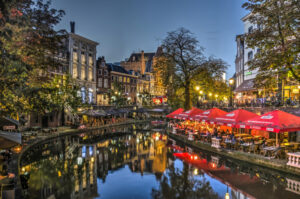
- Take extra care near canals. Groningen has lovely canals, and they add a lot to the city’s charm. They also become more hazardous at night, especially if someone is drunk, distracted, or taking photos too close to the edge. Canal falls happen in Dutch cities. Stay back from the edges after dark.
- Use the city center as your safety anchor. For first-time visitors, central Groningen is the easiest and safest base. You will be close to restaurants, shops, transport, museums, and main streets with plenty of foot traffic. If you go farther out, check your route before leaving, especially at night. The city is not intimidating, but a good orientation always helps.
So... How Safe Is Groningen Really?
Groningen is genuinely safe for travelers.
It has the kind of risk profile I like in a European city: lively enough to be interesting, organized enough to feel comfortable, and small enough that visitors can get oriented quickly.
The city’s biggest safety issues are not extreme crime or dangerous neighborhoods.
They are more ordinary concerns: theft in busy places, bike traffic, drinking-related incidents, bad weather, and the occasional late-night situation around student nightlife.
The Netherlands as a whole has strong infrastructure, good emergency services, safe drinking water, reliable public transport, and a high standard of medical care.
Groningen benefits from all of that while also being less tourist-packed than Amsterdam.
That means fewer tourist traps and generally fewer targeted scams.
The city does have some edge after dark because it is young and energetic.
A quiet daytime street can become a loud student corridor at night, and visitors who dislike nightlife may want to avoid the busiest bar streets after midnight.
Still, most tourists who use normal caution will find Groningen easy, friendly, and low-stress.
I would rank it as a low-risk destination, especially for couples, solo travelers, students, culture lovers, and anyone who enjoys walkable cities with a strong local personality.
How Does Groningen Compare?
| City | Safety Index |
|---|---|
| Groningen |
85 |
| Rotterdam |
63 |
| The Hague |
90 |
| Utrecht |
88 |
| Amsterdam |
78 |
| Delft |
88 |
| Maastricht |
87 |
 Seward Seward | 92 |
| Coral Springs | 78 |
| Sturgis | 80 |
| New Bern | 77 |
 Medan Medan | 62 |
| Hawthorne | 62 |
Useful Information

Visas
The Netherlands is part of the Schengen Area. Many tourists, including visitors from the United States, Canada, the United Kingdom, Australia, and several other countries, can usually visit for up to 90 days within a 180-day period without a tourist visa. Other travelers may need a Schengen visa before arrival, so check the requirements before booking.

Currency
Groningen uses the euro. Credit and debit cards are widely accepted, but it is useful to carry a small amount of cash for markets, small purchases, or emergencies. ATMs are available around the city. Avoid airport exchange counters when possible, since bank withdrawals usually offer better value.

Weather
Groningen has a mild northern European climate with cool winters, comfortable summers, and plenty of cloudy, rainy days. Pack layers, a light rain jacket, and comfortable walking shoes. Winter visitors should prepare for wind, cold rain, and occasional icy conditions. Summer is pleasant but rarely tropical.

Airports
Groningen Airport Eelde is the closest airport, but it has limited service. Many international travelers arrive through Amsterdam Schiphol Airport and take the train to Groningen, usually with a transfer. The rail journey is straightforward and comfortable. Bremen and Hamburg in Germany can also be options, depending on routes.

Travel Insurance
Travel insurance is strongly recommended for Groningen, even though it is a safe destination. Good coverage can help with medical costs, trip delays, lost luggage, theft, and emergency changes. The Netherlands has excellent healthcare, but tourists may still face out-of-pocket expenses without proper insurance.
Groningen Weather Averages (Temperatures)
Average High/Low Temperature
| Temperature / Month | Jan | Feb | Mar | Apr | May | Jun | Jul | Aug | Sep | Oct | Nov | Dec |
|---|---|---|---|---|---|---|---|---|---|---|---|---|
| High °C |
6 | 6 | 9 | 14 | 18 | 21 | 22 | 23 | 19 | 14 | 9 | 7 |
| Low °C |
1 | 1 | 3 | 5 | 8 | 11 | 13 | 13 | 11 | 8 | 5 | 3 |
| High °F |
43 | 43 | 48 | 57 | 64 | 70 | 72 | 73 | 66 | 57 | 48 | 45 |
| Low °F |
34 | 34 | 37 | 41 | 46 | 52 | 55 | 55 | 52 | 46 | 41 | 37 |
Netherlands - Safety by City
| City | Safety Index |
|---|---|
| Amsterdam | 78 |
| Delft | 88 |
| Eindhoven | 85 |
| Groningen | 85 |
| Maastricht | 87 |
| Rotterdam | 63 |
| The Hague | 90 |
| Utrecht | 88 |
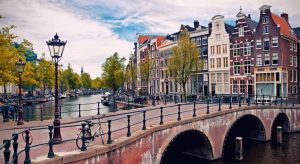
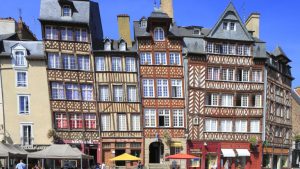
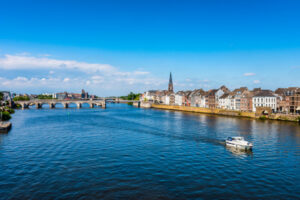












I rode my bike around Groningen a bunch and honestly the mix of old buildings and student bars felt kind of crowded at times.
Nothing like dodging bikes at every corner while trying to enjoy a peaceful stroll, but hey, at least the canals are pretty.
Did you find biking through those canals more charming or just kinda chilly?