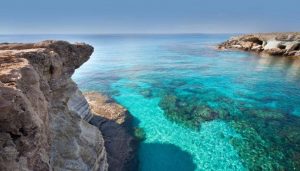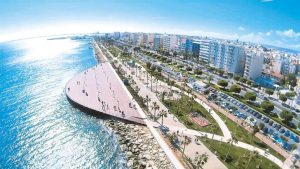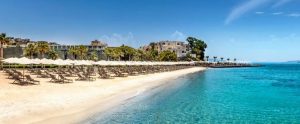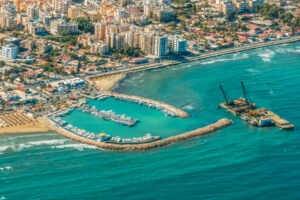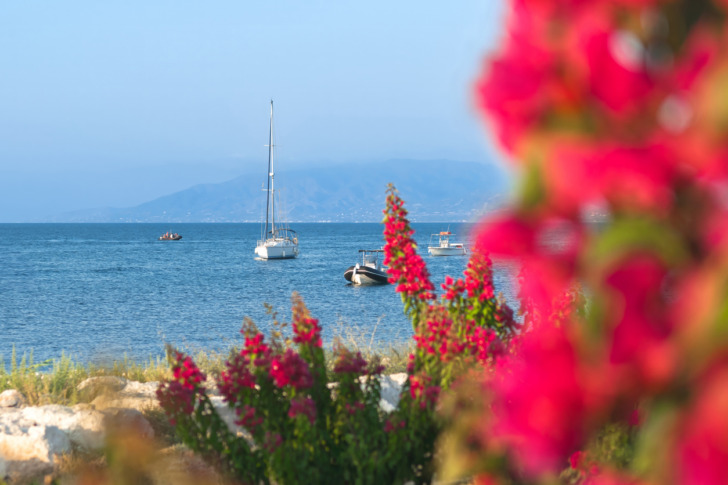
Polis Chrysochous, usually just called Polis, is a laid-back little town on the northwest coast of Cyprus, tucked between the wild green hills of the Akamas Peninsula and the long, pebbly sweep of Chrysochous Bay.
Cyprus is a Mediterranean island about 70 kilometers south of Turkey, and an EU member state, though it is divided by a UN-patrolled buffer zone.
Polis sits comfortably in the Greek Cypriot south.
The town is built on the ruins of ancient Marion, and today it’s a place of whitewashed cafes, a shady central square, and quiet beaches, with the Baths of Aphrodite and Latchi harbor just down the road.
It feels like Cyprus before the big resorts arrived. But 2026 has brought wildfires, regional tension, and a spate of holiday-home break-ins, so I looked closely at the facts.
Warnings & Dangers in Polis

OVERALL RISK: LOW
Polis is a safe, low-key town, and Cyprus is rated Level 1, normal precautions, by the US State Department, with crime against tourists uncommon. The main concerns are burglaries at holiday homes near the Baths of Aphrodite, summer wildfires, and uncertainty from regional tensions. Take sensible precautions, check the news before you travel, and you can expect a calm, welcoming stay.

TRANSPORT & TAXIS RISK: MEDIUM
Public buses around Polis are infrequent, so most visitors rent a car, and Cyprus drives on the left, which catches many first-timers out. Mountain roads in the Akamas are narrow and winding, and some tracks need a 4x4. Taxis can overcharge, so negotiate fares in advance or insist on the meter. Avoid rough roads at night.

PICKPOCKETS RISK: LOW
Public buses around Polis are infrequent, so most visitors rent a car, and Cyprus drives on the left, which catches many first-timers out. Mountain roads in the Akamas are narrow and winding, and some tracks need a 4x4. Taxis can overcharge, so negotiate fares in advance or insist on the meter. Avoid rough roads at night.

NATURAL DISASTERS RISK: MEDIUM
Wildfires are the big one. British advice warns of a high risk from April to October, and fires can change direction quickly and force evacuations, including in Paphos district. Cyprus also experiences earthquakes, winter flash floods, and fierce summer heat. Register your phone for emergency alerts, follow the instructions of the authorities, and call 112 if you are in danger.

MUGGING RISK: LOW
Street robbery is rare in Polis, and walking around town at night is generally considered comfortable. The wider concern in the area is burglary rather than mugging, with thieves reported to target holiday homes, even occupied ones. Keep to lit streets after dark, avoid isolated beaches alone late at night, and call 112 if something happens.

TERRORISM RISK: MEDIUM
Cyprus has no real record of attacks on tourists, but 2026 changed the backdrop. A drone struck a building at a British base on the island in March, and regional tensions remain unpredictable. Polis sits far from the base areas, and the US lifted its tougher advisory in June. Still, stay informed, keep departure plans flexible, and follow official guidance.

SCAMS RISK: LOW
Scams are infrequent, but taxi overcharging, inflated bar bills, and drink spiking in nightlife venues are the usual complaints. Be wary of unlicensed boat-trip sellers and "free" offers that come with a catch. Agree prices before accepting rides or tours, check your bill, and book boat trips at the Latchi harbor offices or through your hotel.

WOMEN TRAVELERS RISK: LOW
Solo women generally find Polis relaxed and friendly, with a village-like atmosphere and little street harassment. Travel guides do flag sexual assault as the one violent crime worth noting in Cyprus, so use standard precautions: watch your drink, don't leave bars with strangers, use licensed taxis late at night, and share your plans. Visit remote beaches with company.

TAP WATER RISK: LOW
Tap water in Cyprus is treated and monitored by health authorities, and it is generally safe to drink. It can taste heavily chlorinated or slightly salty because supplies include desalinated water, so many residents and visitors prefer bottled water. In remote villages, ask your host. Carry a refillable bottle, because the summer heat is intense.
Safest Places to Visit in Polis
Polis Town Square and Old Center
The shady central square, with its cafes, tavernas, and church, is the safest and most social part of town.
It’s lively into the evening, and locals chat with visitors easily.
The small archaeological museum nearby covers ancient Marion and is a good rainy-day stop.
Polis Beach and Chrysochous Bay
The long, pebbly beach by the town is calm and easy, with cafes and facilities close by.
Main beaches usually have seasonal lifeguards, so swim in the staffed areas and respect the flags.
Latchi (Latsi) Harbor
A few minutes west, this fishing harbor is full of seafood restaurants and boat-trip operators.
It’s busy and well lit, making it a great spot for an evening meal. Book excursions through established operators.
Baths of Aphrodite Nature Trail
The little pool beneath a fig tree and the trails around it are a classic daytime stop.
Go in the morning, bring water, and wear sturdy shoes, since the sun and slippery rocks cause more trouble than crime.
Akamas Peninsula and the Hill Villages
Marked hiking trails, guided jeep safaris, and villages like Neo Chorio and Droushia offer quiet, authentic Cyprus.
Go in spring or autumn, tell someone your route, and carry plenty of water.
Lara Bay Turtle Hatchery
The beach is known for turtle nesting, and the conservation project here is educational and well managed.
Visit with a guide or on an organized trip, and follow the rules to protect the nests.
Places to Avoid in Polis
Unattended Holiday Homes Near the Baths of Aphrodite
Local press reported a surge of burglaries in this area in 2026, with thieves operating even in homes that were occupied.
Lock doors and windows at night and whenever you leave, use any safe provided, and don’t leave valuables on terraces.
Remote Akamas Tracks in Summer
Dry scrub, heat, and fire risk make isolated trails dangerous between April and October.
Avoid hiking in midday heat, skip unmarked tracks, and don’t go without water, a charged phone, and a plan.
Unlit Coastal and Mountain Roads at Night
Narrow roads, steep drops, and wandering wildlife make night driving risky.
Plan to be back at your accommodation before dark, especially on unfamiliar routes.
Military Areas and the Buffer Zone
Photographing military buildings can get you arrested, and entry restrictions apply near the British base areas and the UN buffer zone.
Obey signs, avoid sensitive sites, and never enter the island via the north, which the Republic of Cyprus considers illegal.
Rocky Coves and Rough Seas
Secluded coves look inviting, but there are no lifeguards, rocks are slippery, and currents can pick up quickly.
Swim at staffed beaches, avoid swimming after drinking, and never jump from rocks into unknown water.
Safety Tips for Traveling to Polis
- Lock up your holiday rental. Burglaries have been reported around the Baths of Aphrodite, even when guests were home. Lock doors and windows at night, use the safe, and keep valuables out of sight from outdoors.
- Prepare for wildfires. Register your phone for emergency alerts, check local fire warnings, and never light fires or barbecues outdoors in dry months. If you see smoke, leave the area immediately and call 112.
- Drive on the left, and carefully. Rental cars are essential, but unfamiliar roundabouts and winding mountain roads cause accidents. Take it slowly, avoid night driving, and never drink and drive, because police enforce limits.
- Settle taxi fares first. Ask for the meter or agree on the price before you get in, and use your hotel or restaurant to book rides at night.
- Respect the sun and heat. Summer temperatures can top 35°C. Wear a hat, high SPF, and light clothing, drink plenty of water, and plan walks for early morning or late afternoon.
- Swim where it’s staffed. Choose beaches with lifeguards and flags, never swim alone or after drinking, and be careful on rocky shores and slippery boat ladders.
- Watch your drink. British advice warns about drink spiking. Keep your glass in sight, don’t accept drinks from strangers, and stay with friends in bars.
- Don’t photograph military sites. Authorities can arrest you, and the island’s military is on alert. Respect signs, stay away from restricted zones, and avoid political arguments about the island’s division.
- Carry ID and valuables smartly. Keep a photo of your passport on your phone, store originals in your accommodation safe, and leave nothing visible in parked cars. Call 112 for emergencies; Polis has its own hospital.
- Buy travel insurance. A wildfire evacuation, medical visit, or cancelled flight can cost far more than a policy. Make sure yours covers medical care, theft, and hiking or boating, and check regional-tension clauses.
So... How Safe Is Polis Really?
The official picture is reassuring, with caveats. The US State Department rates Cyprus Level 1, exercise normal precautions, in an advisory issued on June 1, 2026, after it had briefly raised the country to Level 3 on March 3 in the wake of hostilities between the United States and Iran.
A drone struck a building at a British base on the island on March 2, and the US authorized non-emergency staff to leave before lifting that order on June 1.
British advice still calls the regional situation unpredictable, but it does not advise against travel to the Republic of Cyprus.
Crime data tells a more nuanced story.
The US security office says Cyprus experiences less violent crime than other European countries, but all forms of crime have risen steadily over three years.
Serious crime climbed about 6 percent in 2025, and property offenses rose roughly 8 percent and make up most of the total.
That pattern fits what happened locally: in April 2026, Polis’s mayor confirmed a surge in break-ins around the Baths of Aphrodite and announced plans for CCTV.
Add the natural hazards, especially wildfire season from April to October, and the picture becomes clear.
Polis is not dangerous for people, but it is sometimes dangerous for property, and the landscape can be risky in summer.
My verdict: Polis is very safe for couples, families, and solo travelers.
Lock your rental, watch the fire warnings, and keep an eye on regional news, and you’ll enjoy one of Cyprus’s calmest corners.
How Does Polis Compare?
| City | Safety Index |
|---|---|
 Polis |
88 |
| Ayia Napa |
73 |
| Limassol |
69 |
| Larnaca |
82 |
| Nicosia |
71 |
 Miami | 55 |
 Southampton | 65 |
| Michigan City | 48 |
 Berlin | 80 |
| El Paso | 77 |
| Redwood City | 85 |
Useful Information

Visas
Visitors from the US and many other countries need no visa for stays up to 90 days, while EU citizens can enter freely. Cyprus is not in the Schengen Area, so it keeps its own entry rules. ETIAS is planned to cover Cyprus, but its launch date is now unclear, so check before booking. Never enter via the north, which the Republic considers illegal.

Currency
Cyprus uses the euro, and cards and contactless payments are widely accepted, though small village tavernas and kiosks often prefer cash. The best exchange rates usually come from withdrawing euros at bank ATMs, so decline any conversion into your home currency when asked. Tipping around 10 percent is common when service isn't included on the bill.

Weather
Polis has a Mediterranean climate: summers are hot and dry, with highs often in the mid-30s Celsius, while winters are mild and wetter, roughly 10 to 17°C. Pack light, breathable clothing, a hat, sunscreen, and swimwear for summer, sturdy shoes for Akamas trails, and a rain jacket and warm layer for winter evenings.

Airports
Paphos International Airport is the closest, around an hour by road from Polis, and Larnaca is about two hours away. Taxis and shuttles run from both, but a rental car gives you the most freedom, since buses are limited. Remember to drive on the left, and confirm your accommodation's directions before you arrive.

Travel Insurance
I strongly recommend travel insurance for Cyprus. EU and UK visitors may use their health cards for state care, but those don't cover private treatment, repatriation, or cancelled trips. A policy also helps if wildfires disrupt your plans or a phone is stolen. Compare options, check exclusions for regional tensions, and buy cover before you leave.
Polis Weather Averages (Temperatures)
Average High/Low Temperature
| Temperature / Month | Jan | Feb | Mar | Apr | May | Jun | Jul | Aug | Sep | Oct | Nov | Dec |
|---|---|---|---|---|---|---|---|---|---|---|---|---|
| High °C |
16 | 16 | 17 | 20 | 24 | 28 | 31 | 31 | 29 | 25 | 22 | 18 |
| Low °C |
12 | 11 | 12 | 15 | 18 | 22 | 24 | 25 | 23 | 21 | 17 | 14 |
| High °F |
61 | 61 | 63 | 68 | 75 | 82 | 88 | 88 | 84 | 77 | 72 | 64 |
| Low °F |
54 | 52 | 54 | 59 | 64 | 72 | 75 | 77 | 73 | 70 | 63 | 57 |
Cyprus - Safety by City
| City | Safety Index |
|---|---|
| Ayia Napa | 73 |
| Larnaca | 82 |
| Limassol | 69 |
| Nicosia | 71 |
| Polis | 88 |