 Cuba : Safety by City
Cuba - safety as a country
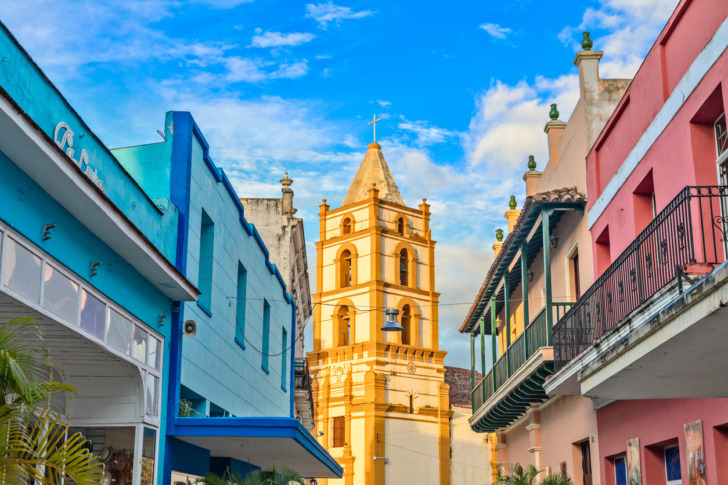
Camagüey is Cuba’s third-largest city, sitting in the flat, cattle-ranching heartland of the island’s east-central plains, roughly 530 kilometers southeast of Havana.
It was founded in 1514 as Santa María del Puerto del Príncipe, moved inland to escape pirate raids, and its twisting medieval-style streets were reportedly laid out to confuse invaders.
The maze worked on the pirates, and it still works on visitors.
UNESCO listed the historic center in 2008, and it is dotted with plazas, baroque churches, and the giant clay jars called tinajones that stand in courtyards across town.
The city has produced poets, painters, and a famous ballet company. Far from the cruise crowds, Camagüey feels lived-in and authentic.
But Cuba is in a deep fuel, power, and water crisis, so is Camagüey safe right now? Let’s separate crime from conditions.
Warnings & Dangers in Camaguey

OVERALL RISK: HIGH
Camagüey is a quiet, cultured city where visitors rarely face violent crime. The danger comes from the national situation: fuel, electricity, water, and medicine shortages have led Canada and the UK to advise against non-essential travel. Blackouts, strained hospitals, and disrupted transport make this a high-risk destination for the unprepared, even if the streets themselves feel calm.

TRANSPORT & TAXIS RISK: HIGH
Camagüey is far from Havana, and fuel shortages have thinned buses, shared taxis, and flights. The long drive takes around eight hours when everything works. Roads are potholed, poorly lit, and shared with bicycles, horse carts, and livestock. Bici-taxis and horse carts handle short city hops. Pre-book long transfers through your host and never travel at night.

PICKPOCKETS RISK: LOW
Camagüey is far from Havana, and fuel shortages have thinned buses, shared taxis, and flights. The long drive takes around eight hours when everything works. Roads are potholed, poorly lit, and shared with bicycles, horse carts, and livestock. Bici-taxis and horse carts handle short city hops. Pre-book long transfers through your host and never travel at night.

NATURAL DISASTERS RISK: MEDIUM
Hurricane season ends on November 30, and storms can bring flooding to the northern cays and low-lying areas. The inland city itself is more exposed to drought, extreme heat, and sudden downpours that flood narrow streets. Check forecasts, follow official warnings, ask your host about a storm plan, and keep your bookings flexible in summer and autumn.

MUGGING RISK: LOW
Armed mugging is rare in Camagüey, and travelers often describe the center as relaxed. Even so, authorities say violent crime is rising across Cuba. Avoid dark side streets and empty plazas after blackouts, don't show cash or electronics, and hand over belongings if someone demands them. Tell your host and report incidents to the police.

TERRORISM RISK: LOW
The risk of terrorism is low, and Cuba has no recent record of attacks targeting visitors. A more realistic concern is unrest: protests over blackouts, food, and water have increased across the island. Stay away from demonstrations, don't photograph police or soldiers, and follow local guidance if the situation changes.

SCAMS RISK: MEDIUM
The risk of terrorism is low, and Cuba has no recent record of attacks targeting visitors. A more realistic concern is unrest: protests over blackouts, food, and water have increased across the island. Stay away from demonstrations, don't photograph police or soldiers, and follow local guidance if the situation changes.

WOMEN TRAVELERS RISK: MEDIUM
Solo women generally report feeling comfortable in Camagüey, helped by casa hosts who look out for guests. Piropos, or catcalls, are common in Cuba and can be persistent but are usually harmless. Winding, poorly lit streets can be disorienting after dark, so arrange rides through your host, avoid empty lanes at night, and tell someone your plans.

TAP WATER RISK: HIGH
Don't drink the tap water. Cuba's water systems are failing, power cuts stop the pumps, and stomach illness and mosquito-borne diseases are circulating while medicines are scarce. Use sealed bottles, a filter, or purification tablets, skip ice unless you know the source, and wash fruit and vegetables in treated water.
Safest Places to Visit in Camaguey
Plaza San Juan de Dios
This is often called the prettiest square in the city, with colorful colonial houses, a restored hospital complex, and cafes.
It’s lively by day and calm in the evening, and it’s an easy place to start.
Plaza del Carmen
A charming plaza lined with life-size sculptures of locals by artist Martín Durán, gossiping on benches and carrying out daily chores.
Galleries and cafes keep it busy, making it one of the safest and most photogenic spots.
Calle Maceo and Parque Ignacio Agramonte
The pedestrian shopping street and the main park, anchored by a statue of the independence hero, are the social heart of the city. Crowds provide safety, but keep your phone and wallet close in the busiest stretches.
Teatro Principal and the Cultural Scene
Home to the Ballet de Camagüey, the theater hosts performances when power and funding allow.
Check schedules locally, since blackouts can cancel events.
Playa Santa Lucía and the Northern Cays
About 110 kilometers north of the city, Playa Santa Lucía has a long coral-protected beach, and the northern cays offer resort stays.
Fuel shortages have disrupted hotels and transport there, including water supply failures at some cay resorts, so confirm everything before you go and bring supplies.
Places to Avoid in Camaguey
Camagüey has no true no-go zones, but several situations deserve extra caution.
The Maze of Back Streets After Dark
The famously irregular street plan is hard to navigate, and during blackouts it becomes pitch black.
Getting lost leads to twisted ankles and, occasionally, opportunists.
Stick to main lanes, carry a flashlight, and take a bici-taxi late at night.
Outer Neighborhoods Away from the Center
Residential districts beyond the historic core have little for visitors and poorer lighting.
Visit by day with a local guide if you’re curious, and avoid wandering alone after sunset.
Protest Gatherings
Spontaneous pot-banging demonstrations over blackouts and shortages happen in many Cuban cities.
They can escalate or draw a heavy security response.
Walk away if a crowd forms, and don’t film or join in.
Bus Station and Arrival Points
This is where touts focus on tired travelers with luggage.
Arrange your casa and transfer in advance, and don’t follow strangers who claim to know your host.
Street Money Changers and Unofficial Taxis
People offering great rates or cheap rides around the plazas are a leading source of scams.
Rely on your host’s recommendations instead.
Safety Tips for Traveling to Camaguey
- Reconsider the timing. Several governments warn against non-essential travel because of shortages. Read your own country’s latest advisory, and go only if you can handle unpredictable power, water, and transport.
- Carry plenty of cash. Euros or US dollars in small bills are widely accepted, while reports say international Visa and Mastercard cards are largely unusable. Bring more than you expect to need and split it across bags.
- Pack essentials from home. Bring prescription medication, a first-aid kit, water purification tablets, toilet paper, and hygiene items. Shortages can make basics hard to find, and Camagüey is far from major supply hubs.
- Fight mosquitoes. With mosquito-borne illnesses reported nationwide, use strong repellent, wear long sleeves at dawn and dusk, and sleep in a screened or air-conditioned room when possible.
- Treat all water as unsafe. Drink sealed or filtered water, brush your teeth with it, and skip raw salads and ice unless your host confirms they’re safe.
- Pre-book your transfers. Ask your host to arrange transport from Santa Clara, Holguín, or Havana, confirm the price, and avoid traveling at night. Add buffer days around flights, since this is a long trip.
- Prepare for blackouts. Carry a headlamp, power bank, and offline maps. Phone signal and internet are unreliable, so download what you need and share your itinerary with someone at home.
- Navigate the maze smartly. Download an offline map, note your casa’s address and street name, and save your host’s number. If you’re lost, ask a shopkeeper rather than a stranger on the street.
- Handle touts politely. Decline unsolicited offers, agree on prices before accepting any service, and buy cigars only from official shops to avoid fakes.
- Buy comprehensive insurance. Make sure it covers medical care, evacuation, and trip interruption, and check that it doesn’t exclude countries with government advisories. Keep proof of cover with your documents.
So... How Safe Is Camaguey Really?
On personal safety, Camagüey does reasonably well.
Cuba publishes little crime data, so I rely on outside sources.
The US State Department rates Cuba Level 2, “exercise increased caution,” citing crime and unreliable electricity, and warns that armed robbery and homicide are rising.
One analysis counted 90 murder cases in the first half of 2026, up from 63 a year earlier, while an independent monitoring group verified about 985 crime reports in the same period, down roughly a quarter.
British advice says crime levels remain lower than in the UK.
Mixed figures like these have limits, but they point to a country where violent crime is rising from a low base.
The conditions are the real concern.
Canada and the UK advise against non-essential travel.
Cuba has suffered at least seven total grid collapses in 18 months, including a 29-hour national blackout in March, and the US embassy notes that power and water outages have driven up crime and disease.
Add jet-fuel shortages at ten airports, over 1,700 cancelled flights, and a distance of roughly eight hours by road from Havana, and logistics become the main risk.
My verdict: Camagüey is a safe city in a struggling country.
Go only if you’re flexible, carry cash and supplies, and have insurance.
How Does Camaguey Compare?
| City | Safety Index |
|---|---|
| Camaguey |
70 |
| Varadero |
70 |
| Cienfuegos |
74 |
| Trinidad |
76 |
| Havana |
55 |
| Viñales |
78 |
 Keene | 76 |
| Monroe | 32 |
 Kampong Cham | 70 |
| Mercer Island | 82 |
 Pereira | 64 |
 Sayulita | 80 |
Useful Information

Visas
Most visitors need a Cuban tourist visa or tourist card, usually arranged through your airline or an embassy, valid for a stay of up to about 90 days depending on nationality. Complete the D'Viajeros online form within 72 hours before arrival and keep the QR code handy. US travelers must fit one of OFAC's authorized categories, since tourism isn't permitted. Confirm everything with your embassy before booking.

Currency
Cuba's official currency is the peso (CUP), but the informal rate is far better, and many casas and paladares price in dollars or euros. Cash is essential: bring euros or US dollars in small bills, because international Visa and Mastercard cards are reportedly unusable. Exchange small amounts at a time through trusted channels, never with street changers, and keep some pesos for small purchases.

Weather
Cuba's official currency is the peso (CUP), but the informal rate is far better, and many casas and paladares price in dollars or euros. Cash is essential: bring euros or US dollars in small bills, because international Visa and Mastercard cards are reportedly unusable. Exchange small amounts at a time through trusted channels, never with street changers, and keep some pesos for small purchases.

Airports
Ignacio Agramonte International Airport sits about 9 kilometers from the center, a short taxi ride, with limited flights, mostly from Canada and Havana. Fuel shortages have caused widespread cancellations, so confirm your flight before you leave. Other gateways include Holguín and Santa Clara, each a few hours away by road, and Havana roughly eight hours. Arrange transfers with your host.

Travel Insurance
Insurance is essential in Cuba. Healthcare resources are strained, medicine is scarce, and a medical evacuation can cost tens of thousands of dollars. Cuban authorities have historically expected visitors to carry medical insurance. Choose a policy covering evacuation, trip interruption, and cancelled flights, read the exclusions on countries under travel advisories, and buy it before you leave.
Camaguey Weather Averages (Temperatures)
Average High/Low Temperature
| Temperature / Month | Jan | Feb | Mar | Apr | May | Jun | Jul | Aug | Sep | Oct | Nov | Dec |
|---|---|---|---|---|---|---|---|---|---|---|---|---|
| High °C |
28 | 29 | 30 | 31 | 32 | 32 | 33 | 33 | 33 | 31 | 29 | 28 |
| Low °C |
19 | 19 | 20 | 21 | 22 | 23 | 24 | 24 | 23 | 23 | 21 | 20 |
| High °F |
82 | 84 | 86 | 88 | 90 | 90 | 91 | 91 | 91 | 88 | 84 | 82 |
| Low °F |
66 | 66 | 68 | 70 | 72 | 73 | 75 | 75 | 73 | 73 | 70 | 68 |
Cuba - Safety by City
| City | Safety Index |
|---|---|
| Camaguey | 70 |
| Cienfuegos | 74 |
| Havana | 55 |
| Trinidad | 76 |
| Varadero | 70 |
| Viñales | 78 |