Trinidad sits on Cuba’s south-central coast, in Sancti Spíritus province, at the foot of the Sierra del Escambray mountains and roughly 330 kilometers southeast of Havana.
Spanish conquistador Diego Velázquez founded it in 1514, and it grew rich on sugar and enslaved labor in the 18th and 19th centuries before time simply stopped.
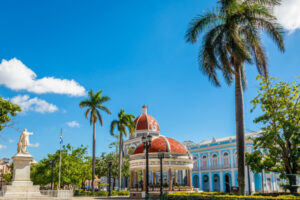
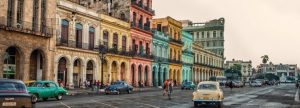
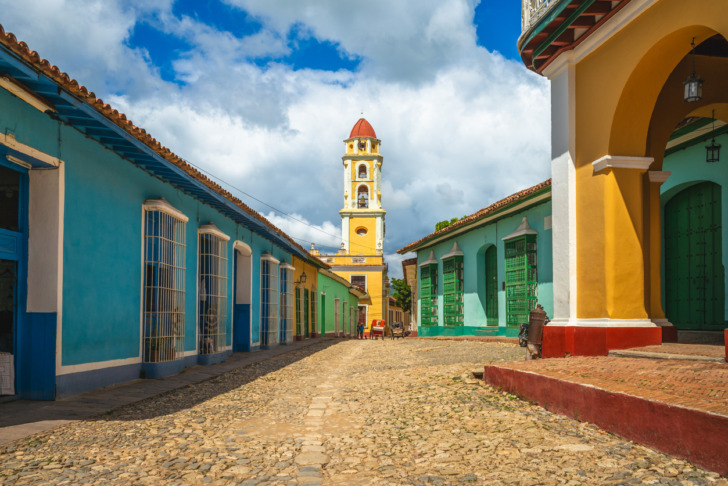
Cobblestone streets, pastel colonial mansions, and clip-clopping horse carts survive almost untouched, which is why UNESCO listed the town and the nearby Valle de los Ingenios in 1988.
Locals dance salsa on the steps by the Casa de la Música, and the warm sand of Playa Ancón is a short ride away.
It sounds like the postcard version of Cuba.
But the country is in the middle of a severe fuel, power, and water crisis, so is Trinidad safe right now?
The answer is nuanced.
Warnings & Dangers in Trinidad

OVERALL RISK: HIGH
Trinidad itself is a calm, tourism-focused town where violent crime is rare. The danger lies in the situation around it. Cuba faces severe fuel, electricity, water, and medicine shortages, and Canada and the UK advise against non-essential travel. Blackouts, disrupted transport, and fragile healthcare make this a high-risk trip for the unprepared, even if your personal safety on the street is rarely threatened.

TRANSPORT & TAXIS RISK: HIGH
Getting to Trinidad is the hardest part. Fuel shortages have disrupted flights, buses, and shared taxis, and the road from Havana takes about five hours on a good day. Potholes are common, and unlit stretches are shared with carts and animals. Book transfers through your host, avoid driving at night, and keep a flexible schedule.

PICKPOCKETS RISK: MEDIUM
Trinidad is a tourist magnet, and crowds at Plaza Mayor, the Casa de la Música steps, and bus arrival points attract the occasional pickpocket and bag snatcher. It's nothing like a big European capital, but economic hardship has increased petty theft. Keep valuables in a front pocket or anti-theft bag, leave expensive jewelry behind, and use your casa's safe.

NATURAL DISASTERS RISK: MEDIUM
Hurricane season officially ends on November 30, and storms can bring surge and flooding to the low-lying coast around Casilda and Playa Ancón. Dry-season travel lowers the risk, but heavy downpours can still flood cobblestone streets and wash out roads. Follow weather bulletins, ask your host about their storm plan, and keep your bookings flexible.

MUGGING RISK: LOW
Armed mugging is rare in Trinidad, and many travelers describe feeling comfortable walking the center even when the power is out. Governments warn that violent crime is rising nationwide, so don't get complacent. Avoid dark, empty streets after blackouts, don't flash cash or electronics, and hand over your belongings if confronted. Report any incident to your host and the police.

TERRORISM RISK: LOW
Armed mugging is rare in Trinidad, and many travelers describe feeling comfortable walking the center even when the power is out. Governments warn that violent crime is rising nationwide, so don't get complacent. Avoid dark, empty streets after blackouts, don't flash cash or electronics, and hand over your belongings if confronted. Report any incident to your host and the police.

SCAMS RISK: MEDIUM
Trinidad's tourist economy has created an army of touts. Jineteros meet buses and steer you to casas or restaurants for a commission, and street sellers push fake cigars and overpriced souvenirs. Beware strangers offering rooms, cheap rum, or too-good exchange rates. Book your casa in advance, confirm every price, count your change, and ignore anyone claiming a place is closed.

WOMEN TRAVELERS RISK: MEDIUM
Solo women regularly visit Trinidad and enjoy it, helped by the casa particular culture where hosts watch over their guests. Catcalling, known as piropos, is common and can be persistent, though it's seldom dangerous. Blackouts make evenings darker, so avoid empty cobbled lanes at night, arrange rides through your host, and share your plans with someone you trust.

TAP WATER RISK: HIGH
Don't drink the tap water in Trinidad, and avoid ice in drinks unless you know it was made from purified water. Cuba is dealing with water supply failures and disease outbreaks, and stomach illness can be serious when medicines are scarce. Bring a filter or purification tablets, buy sealed bottles, and wash fruit and vegetables with treated water.
Safest Places to Visit in Trinidad
Plaza Mayor and the Historic Center
The cobbled heart of the town is compact, walkable, and busy with travelers and locals from morning to night.
Museums such as the Museo Romántico and the Palacio Cantero, with its bell tower views, are low-risk and fascinating.
This is the safest area to base yourself.
The Casa de la Música Steps
In the evening, the wide staircase beside the church fills with live music, mojitos, and salsa.
It’s lively and generally friendly, but crowds attract pickpockets, so keep your phone and wallet close.
Valle de los Ingenios
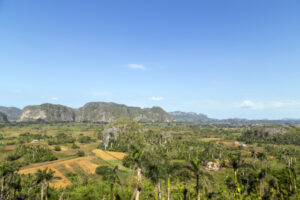
This UNESCO-listed valley of old sugar plantations is a short drive from town.
The Manaca Iznaga tower and plantation ruins make a safe daytime trip, ideally with a pre-arranged driver or tour.
Playa Ancón and Casilda
Playa Ancón, about twelve kilometers from the center, has white sand and calm water and is among the most relaxed spots on the coast.
Fuel shortages have strained beach maintenance and transport, so arrange your ride in advance and bring food and water.
Topes de Collantes
The Escambray mountains above town offer cool air, waterfalls, and forest trails.
Go with a local guide and take sturdy shoes, since paths are steep and slippery in rain.
Places to Avoid in Trinidad
Trinidad has no true no-go neighborhoods, but several situations deserve extra caution.
Unlit Cobblestone Back Streets
When the power is out, side streets can be pitch black, and the uneven stones cause more injuries than crime does.
Stick to the main lanes after dark, and carry a flashlight.
The Road to Playa Ancón and Casilda at Night
The coastal road is poorly lit and sparsely traveled.
Breakdowns, potholes, and a lack of help make it a poor choice after sunset, so return before dark.
Bus Station and Arrival Points
This is where touts concentrate and where tired travelers with bags are most vulnerable.
Have your casa host confirmed in advance, and don’t follow strangers who claim to know your host.
Street Money Changers and Unofficial Taxis
People offering outstanding exchange rates or cheap rides around Plaza Mayor are a leading source of scams.
Rely on your host’s recommendations instead.
Mountain Trails Without a Guide
Rain, steep slopes, and limited rescue services make solo hikes in the Escambray a bad idea.
Always go with a guide and tell someone your plans.
Safety Tips for Traveling to Trinidad
- Reconsider the timing. Several governments warn against non-essential travel because of shortages. Read your own country’s latest advisory, and go only if you can handle unpredictable power, water, and transport.
- Carry plenty of cash. Euros or US dollars in small bills are widely accepted, while reports say international Visa and Mastercard cards are largely unusable. Bring more than you expect to need and split it across bags.
- Pack essentials from home. Bring medication, a first-aid kit, water purification tablets, insect repellent, toilet paper, and hygiene items. Shortages can make basics hard to find.
- Treat all water as unsafe. Drink sealed or filtered water, brush your teeth with it, and skip raw salads and ice unless your host confirms they’re safe.
- Pre-book your transfers. Ask your host to arrange transport from Havana, Santa Clara, or Cienfuegos, confirm the price, and avoid traveling at night. Add buffer days around flights.
- Prepare for blackouts. Carry a headlamp, a power bank, and offline maps. Phone signal and internet are unreliable, so download what you need and share your itinerary with someone back home.
- Handle touts politely. Decline unsolicited offers, agree on prices before accepting any service, and buy cigars only from official shops or reputable farms.
- Watch your belongings. Use your casa’s safe, carry a photocopy of your passport, and keep phones and cameras out of sight in crowds, especially around Plaza Mayor.
- Wear proper shoes. Cobblestones are uneven and slippery, and sprained ankles are the most common injury. Choose sturdy, closed shoes and be careful after rain or a drink.
- Buy comprehensive insurance. Make sure it covers medical care, evacuation, and trip interruption, and check that it doesn’t exclude countries with government advisories. Keep proof of cover with your documents.
So... How Safe Is Trinidad Really?
On personal safety, Trinidad does well. Cuba publishes little crime data, so I rely on outside sources.
The US State Department rates Cuba Level 2, “exercise increased caution,” citing crime and unreliable electricity, and warns that violent crime is on the rise.
Yet British advice says crime levels remain lower than in the UK, and an independent Cuban monitoring group verified about 985 crime reports in the first half of 2026, down roughly a quarter from a year earlier.
Those figures have limits, but they match what many travelers describe in towns like Trinidad: a relaxed, watchful atmosphere with mainly petty theft.
The infrastructure picture is much worse.
Canada and the UK advise against non-essential travel.
Cuba has suffered repeated nationwide grid failures this year, tourist arrivals have collapsed, and ten airports have repeatedly declared jet fuel unavailable.
Cuban media count more than 1,700 cancelled flights and at least eleven airlines suspending or cutting service.
My verdict: Trinidad is a safe town in a struggling country.
Go only if you’re flexible, carry cash and supplies, and have insurance.
If you want smooth logistics, wait for conditions to improve.
How Does Trinidad Compare?
| City | Safety Index |
|---|---|
 Trinidad |
76 |
| Viñales |
78 |
| Varadero |
70 |
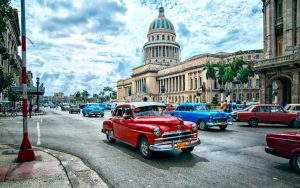
| Havana |
55 |
| Cienfuegos |
74 |
 Siwa Oasis | 70 |
 Hood River | 82 |
| Chandler | 64 |
| Fort Ransom | 79 |
| Crystal Lake | 88 |
| Port Said | 58 |
Useful Information

Visas
Most visitors need a Cuban tourist visa or tourist card, usually arranged through your airline or an embassy, valid for a stay of up to about 90 days depending on nationality. Complete the D'Viajeros online form within 72 hours before arrival and keep the QR code handy. US travelers must fit one of OFAC's authorized categories, since tourism isn't permitted. Confirm everything with your embassy before booking.

Currency
Cuba's official currency is the peso (CUP), but the informal rate is far better, and many casas and paladares price in dollars or euros. Cash is essential: bring euros or US dollars in small bills, because international Visa and Mastercard cards are reportedly unusable. Exchange small amounts at a time through trusted channels, never with street changers, and keep some pesos for small purchases.

Weather
The dry season from November to April brings sunny days around 28 to 30°C, cooler evenings, and little rain. Summers are hot, humid, and stormy, with hurricane season running through November. Pack light cotton clothes, a hat, sunscreen, insect repellent, a rain poncho, and sturdy closed shoes for cobblestones and mountain trails. A light layer helps on winter evenings.

Airports
Trinidad has no major international airport. The closest gateways are Santa Clara and Cienfuegos, each about two hours by road, while Havana is roughly five hours away and Varadero around four. Jet-fuel shortages have caused widespread flight cancellations, so confirm your flight before you leave and arrange a private transfer or shared taxi with your host in advance.

Travel Insurance
Insurance is essential in Cuba. Healthcare resources are strained, medicine is scarce, and a medical evacuation can cost tens of thousands of dollars. Cuban authorities have historically expected visitors to carry medical insurance. Choose a policy covering evacuation, trip interruption, and cancelled flights, read the exclusions on countries under travel advisories, and buy it before you leave.
Trinidad Weather Averages (Temperatures)
Average High/Low Temperature
| Temperature / Month | Jan | Feb | Mar | Apr | May | Jun | Jul | Aug | Sep | Oct | Nov | Dec |
|---|---|---|---|---|---|---|---|---|---|---|---|---|
| High °C |
26.1 | 27.2 | 28.3 | 30 | 31.1 | 31.7 | 32.2 | 32.2 | 31.7 | 30 | 28.3 | 27.2 |
| Low °C |
16.1 | 16.7 | 17.2 | 19.4 | 21.1 | 22.8 | 22.8 | 22.8 | 22.8 | 21.7 | 18.9 | 17.2 |
| High °F |
79 | 81 | 83 | 86 | 88 | 89 | 90 | 90 | 89 | 86 | 83 | 81 |
| Low °F |
61 | 62 | 63 | 67 | 70 | 73 | 73 | 73 | 73 | 71 | 66 | 63 |
Cuba - Safety by City
| City | Safety Index |
|---|---|
| Cienfuegos | 74 |
| Havana | 55 |
| Trinidad | 76 |
| Varadero | 70 |
| Viñales | 78 |