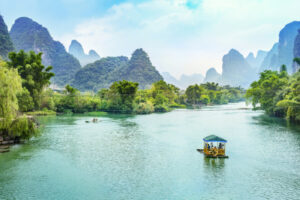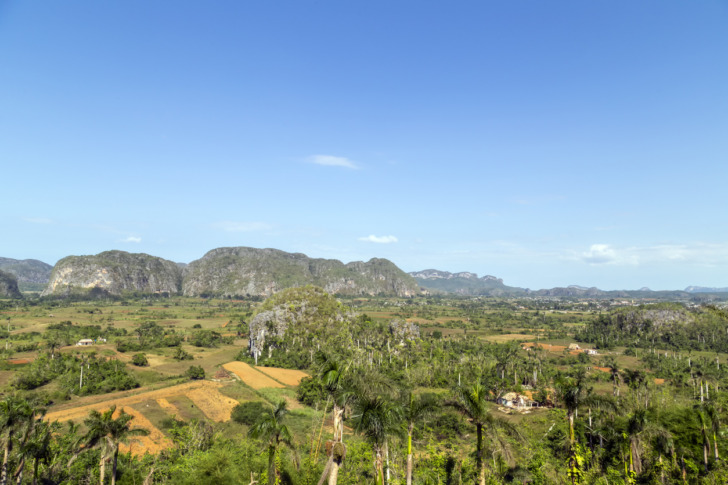
Tucked into the Sierra de los Órganos in Cuba’s westernmost province, Pinar del Río, Viñales sits about 180 kilometers west of Havana in a valley that looks like nothing else in the Caribbean.
Round limestone hills called mogotes rise from red-earth tobacco fields like giant haystacks, and the landscape earned UNESCO World Heritage status in 1999.
Farmers still plow with oxen, underground rivers wind through caves, and a giant prehistoric-themed mural is painted across a cliff face.
For years, this was Cuba’s capital of hiking, climbing, and horseback riding, with nearly every house renting rooms to travelers.
Right now, though, the story is more complicated.
Fuel, power, and water shortages are hitting this valley hard.
So is Viñales safe?
The honest answer has two very different halves.
Warnings & Dangers in Viñales

OVERALL RISK: HIGH
Crime is not the main problem here; Viñales is a quiet farming town with little serious crime. The problem is infrastructure. Cuba is dealing with fuel, power, water, and food shortages, and several governments advise against non-essential travel. Blackouts, scarce transport, and strained healthcare make this a high-risk destination right now for anyone who is unprepared.

TRANSPORT & TAXIS RISK: HIGH
Fuel scarcity has gutted transport. Buses and shared taxis run irregularly, prices have jumped, and flights into Cuba have been heavily disrupted. Roads are poorly maintained, unlit at night, and shared with horses, bicycles, and ox carts, and fatal crashes are common nationwide. Arrange transfers through your host in advance, avoid night driving, and build spare days into your schedule.

PICKPOCKETS RISK: LOW
Pickpocketing is uncommon in Viñales, which is small, social, and watched by neighbors who all know each other. Petty theft is more likely on arrival in Havana or on crowded transport. Still, hard economic times have increased opportunistic theft across Cuba, so keep cash and phones out of sight, use your casa's safe, and avoid carrying everything in one bag.

NATURAL DISASTERS RISK: MEDIUM
Hurricane season runs from June to November, and Cuba is hit by powerful storms regularly. Western Cuba can also see flash floods, heavy rain that turns red-clay trails to mud, and drought that strains local water supplies. Follow national weather warnings, travel in the dry season, and make sure your accommodation has a storm plan.

MUGGING RISK: LOW
Violent crime exists in Cuba and governments report it rising, but Viñales is among the island's quietest places. Armed robbery against visitors in the valley is rare. Blackouts leave unlit roads and farm tracks, so avoid walking alone after dark outside the center. If anyone demands your belongings, give them up rather than resisting.

TERRORISM RISK: LOW
Cuba has no recent history of terrorist attacks against tourists, and the risk is considered low. Standard vigilance is enough. The more realistic political concern is occasional protests triggered by blackouts and shortages, so steer clear of demonstrations, don't photograph security forces, and follow local advice if unrest breaks out.

SCAMS RISK: MEDIUM
Touts known as jineteros are the main nuisance. Expect offers of rooms, taxis, tours, and cigars, often with a hidden commission added to your bill. Street-sold "Cohiba" cigars are usually fakes, and friendly strangers may steer you to overpriced restaurants. Agree on every price in advance, buy cigars from farms or official shops, and count your change carefully.

WOMEN TRAVELERS RISK: MEDIUM
Many women travel Viñales solo and enjoy it, thanks to the homestay culture where hosts look out for guests. Catcalling, known locally as piropos, is common across Cuba and can be persistent but is rarely dangerous. Blackouts make evenings darker, so avoid isolated paths at night, arrange rides through your casa, and share your plans with your host.

TAP WATER RISK: HIGH
Do not drink the tap water. Viñales has suffered severe supply problems, with local reports of months without regular service, and what does flow may be contaminated. Stomach illnesses and mosquito-borne diseases are present in Cuba. Bring purification tablets or a filter, buy sealed bottles, boil water where possible, and skip ice and unwashed salads.
Safest Places to Visit in Viñales
Viñales Town Center
The main street, Salvador Cisneros, is lined with casas particulares, small restaurants, and a central plaza with a church.
Neighbors watch out for visitors, and it’s the easiest place to find guides, help, and information.
Even with power cuts, the center is the most secure base for your stay.
Los Jazmines Viewpoint and the Prehistoric Mural
The Los Jazmines lookout offers the classic panorama of the mogotes and is staffed and tourist-friendly.
The nearby Mural de la Prehistoria, a bold painted cliff face, makes an easy, low-risk outing for a morning.
Cueva del Indio
A guided boat ride along an underground river is one of the valley’s headline sights.
It runs with local staff, which keeps it safe, though fuel and power shortages may limit hours, so confirm availability before you go.
Tobacco Farms and the Valle del Silencio
Family tobacco farms around San Vicente and the Valle del Silencio show how cigars are made, and some serve a home-cooked lunch.
Visit with a guide on a pre-arranged route, and you will see the valley at its calmest.
Cayo Jutías
This pale-sand beach on the north coast, roughly an hour’s drive from town, is relaxed and rarely troubled by crime.
Transport can be the hard part, so arrange it ahead of time and bring your own water and food, since services may be limited.
Places to Avoid in Viñales
Viñales has no dangerous neighborhoods, but some situations and spots deserve a wide berth.
Unlit Roads and Farm Tracks After Dark
With frequent blackouts, the roads and trails around the valley can be pitch black.
Twisted ankles, unseen potholes, and the occasional opportunistic thief are all more likely here.
Stay in the center after sunset or carry a good flashlight.
The Havana to Viñales Highway at Night
The road is poorly lit and shared with carts, bikes, and animals, and breakdowns are common when fuel is short.
Travel in daylight and avoid hitchhiking or accepting rides from strangers.
Havana’s Bus Stations and Crowded Tourist Streets
Most visitors pass through the capital first, and its transit hubs, Old Havana lanes, and busy tourist strips are where touts, bag snatchers, and overcharging taxi drivers concentrate.
Keep your luggage close and have your transfer confirmed.
Street Money Changers and Unofficial Taxis
Strangers offering great exchange rates or cheap rides are the most common source of scams in town.
Use recommendations from your host instead.
Caves, Cliffs, and Rivers Without a Guide
The valley’s caves and rock faces can be dangerous in rain or darkness.
Go with a local guide, especially when rescue services and ambulances are scarce.
Safety Tips for Traveling to Viñales
- Reconsider whether now is the right time. Several governments warn against non-essential travel because of shortages. Read your own country’s current advisory, and only go if you are comfortable with unpredictable power, water, and transport.
- Bring plenty of cash. Euros or US dollars in small bills are widely accepted, while reports say international Visa and Mastercard cards are largely unusable. Carry more than you think you need and split it between bags.
- Pack your own supplies. Bring a first-aid kit, prescription medication, water purification tablets, insect repellent, toilet paper, hygiene items, and snacks. Shortages can make even basics hard to find.
- Treat all water as unsafe. Drink sealed or filtered water, brush your teeth with it, and avoid ice. Stomach bugs can ruin a trip in a place with limited medical resources.
- Arrange transport ahead of time. Ask your casa host to organize transfers, confirm prices in advance, and avoid traveling at night. Add buffer days around flights, since cancellations are frequent.
- Prepare for blackouts. Carry a flashlight, a power bank, and offline maps. Mobile signal and internet are unreliable, so download everything you need before you arrive and tell someone your itinerary.
- Handle touts calmly. Politely decline unsolicited offers, agree on prices before accepting any service, and buy cigars only from farms or official shops to avoid fakes.
- Protect your valuables. Use the safe in your casa, carry a photocopy of your passport, and keep a low profile with phones and cameras in busy areas.
- Respect the terrain and weather. Hire guides for caves and trails, check forecasts, wear sturdy shoes for muddy red clay, and take hurricane warnings seriously.
- Buy comprehensive travel insurance. Make sure it covers medical care, evacuation, and trip interruption, and confirm that the policy doesn’t exclude countries with government advisories. Keep proof of insurance with your documents.
So... How Safe Is Viñales Really?
Split the question into two.
On crime, Viñales scores well.
Cuba publishes little data, so I lean on foreign governments.
The US State Department rates Cuba Level 2, “exercise increased caution,” citing crime and unreliable electricity, while its security office says the risk of kidnapping is minimal.
Petty and opportunistic crime is rising across the island, yet British advice says levels remain lower than in the UK.
In a small valley town where everyone knows everyone, the odds of being robbed or attacked are low.
On logistics, the evidence is sobering.
Canada tells citizens to avoid non-essential travel, and the UK advises against all but essential travel.
Cuban media report more than 1,700 cancelled flights this year, with at least eleven airlines suspending or cutting service, and ten airports have repeatedly declared jet fuel unavailable.
Local reports describe Viñales going months without regular drinking water and enduring blackouts of up to 30 hours.
Russia’s ambassador said only one fuel tanker reached the island this year.
My verdict: Viñales is not a dangerous place to be a tourist, but at the moment it is a difficult one.
It suits experienced, flexible travelers with cash, supplies, and insurance.
If you want a relaxed first Caribbean holiday, wait until things stabilize.
How Does Viñales Compare?
| City | Safety Index |
|---|---|
 Viñales |
78 |
| Havana |
55 |
| Varadero |
70 |
| Trinidad |
76 |
| Cienfuegos |
74 |
 Lincoln City | 78 |
 Chiang Rai | 77 |
| San Jose | 58 |
 Tamanrasset | 30 |
 Iasi | 73 |
 Colmar | 86 |
Useful Information

Visas
Most visitors need a Cuban tourist visa or tourist card, usually arranged through your airline or an embassy, valid for a stay of up to about 90 days depending on nationality. Complete the D'Viajeros online form within 72 hours before arrival and keep the QR code handy. US travelers must fit one of OFAC's authorized categories, since tourism isn't permitted. Confirm everything with your embassy before booking.

Currency
Cuba's official currency is the peso (CUP), but the informal rate is far better than the official one, and many private businesses price in dollars or euros. Cash is king: bring euros or US dollars in small bills, because international Visa and Mastercard cards are reportedly unusable. Exchange small amounts at a time, ideally through your host's trusted contacts, and never with street changers.

Weather
The dry season from November to April brings warm days around 25 to 28°C and cooler evenings. May to October is hotter, humid, and stormy, and hurricane season runs through November. Pack light, breathable clothes, a rain poncho, sturdy closed shoes for red mud, a hat, sunscreen, insect repellent, and a warm layer for winter nights.

Airports
Havana's José Martí International Airport is the main gateway, about 180 kilometers and roughly three hours by road from Viñales. Varadero is farther away. Jet-fuel shortages have led airlines to cancel many flights, and reports suggest limited terminal operations in Havana, so verify your flight before leaving. Arrange a private transfer or shared taxi through your casa host in advance.

Travel Insurance
Insurance is essential for Cuba. Healthcare resources are strained, medicine is scarce, and a medical evacuation can cost tens of thousands of dollars. Cuban authorities have historically expected visitors to carry medical insurance. Choose a policy covering evacuation, trip interruption, and cancelled flights, read the exclusions about countries under travel advisories, and buy it before you leave.
Viñales Weather Averages (Temperatures)
Average High/Low Temperature
| Temperature / Month | Jan | Feb | Mar | Apr | May | Jun | Jul | Aug | Sep | Oct | Nov | Dec |
|---|---|---|---|---|---|---|---|---|---|---|---|---|
| High °C |
25.2 | 26.8 | 28.2 | 30.1 | 30.7 | 30.4 | 31 | 30.8 | 29.9 | 28.5 | 26.7 | 26 |
| Low °C |
17.1 | 17.6 | 18.4 | 20 | 21.7 | 23 | 123.2 | 23.5 | 23.2 | 22.1 | 19.5 | 18.5 |
| High °F |
77 | 80 | 83 | 86 | 87 | 87 | 88 | 87 | 86 | 83 | 80 | 79 |
| Low °F |
63 | 64 | 65 | 68 | 71 | 73 | 254 | 74 | 74 | 72 | 67 | 65 |
Cuba - Safety by City
| City | Safety Index |
|---|---|
| Cienfuegos | 74 |
| Havana | 55 |
| Trinidad | 76 |
| Varadero | 70 |
| Viñales | 78 |