 Cuba : Safety by City
Cuba - safety as a country
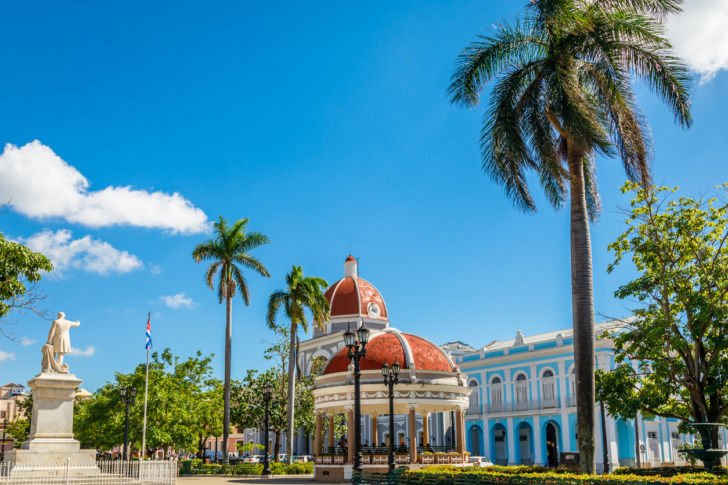
Cienfuegos, known as the “Pearl of the South,” sits on a deep, nearly enclosed bay on Cuba’s south-central coast, about 250 kilometers southeast of Havana.
Unlike most Cuban cities, it was founded in 1819 by French settlers from Bordeaux and Louisiana, and the legacy shows in its tidy grid of wide boulevards, neoclassical mansions, and grand theaters.
UNESCO recognized its historic center in 2005 as an outstanding example of 19th-century Latin American urban planning.
Locals stroll the Paseo del Prado at sunset, while the Moorish-style Palacio de Valle glows out on Punta Gorda.
It’s calmer and less touristy than Havana or Trinidad, which makes it attractive.
Yet this is a province where blackout protests have flared and a nationwide fuel crisis bites.
So is Cienfuegos safe right now?
Let’s separate crime from conditions.
Warnings & Dangers in Cienfuegos

OVERALL RISK: HIGH
Cienfuegos feels relaxed, orderly, and low on street crime. The problem is the situation across Cuba: fuel, electricity, water, and medicine shortages have led Canada and the UK to advise against non-essential travel. Blackouts here have sparked protests, and mosquito-borne illness is circulating. For well-prepared travelers it's manageable, but for anyone expecting smooth logistics, the risk is high right now.

TRANSPORT & TAXIS RISK: HIGH
Fuel shortages have disrupted buses, shared taxis, and flights, so getting to Cienfuegos and leaving again takes planning. The road from Havana takes around four hours on a good day, with potholes, cyclists, horse carts, and little lighting. Pedicabs and bike taxis are a useful local alternative for short trips. Pre-book longer transfers through your host and don't drive at night.

PICKPOCKETS RISK: LOW
Cienfuegos is far less hassle than Havana, and I found few reports of organized pickpocketing. The usual spots, such as Parque José Martí, the Prado, and the bus station, still deserve basic care. Economic hardship has made petty theft more common nationwide, so keep your phone and wallet in a front pocket, carry a day bag you can zip, and use your casa's safe.

NATURAL DISASTERS RISK: MEDIUM
The bay is sheltered, but the coast sits in the hurricane belt, and Hurricane Dennis struck this area in 2005. The season officially ends on November 30, and heavy rain can flood low streets and cut roads. Check forecasts, follow official warnings, ask your host about a storm plan, and keep bookings flexible if you travel in summer or autumn.

MUGGING RISK: LOW
Armed mugging is rare in Cienfuegos, and many visitors feel comfortable on the Prado and Malecón in the evening. Even so, officials say violent crime is rising across Cuba. After blackouts, avoid dark side streets and empty waterfront stretches, don't display cash or electronics, and don't resist if someone demands your things. Tell your host and report incidents to the police.

TERRORISM RISK: LOW
The risk of terrorism is low, and Cuba has no recent record of attacks aimed at visitors. The more relevant political risk is unrest. Cienfuegos has seen spontaneous pot-banging protests over blackouts, and security forces respond quickly. Stay away from demonstrations, don't film or photograph police, and follow local guidance if the situation changes.

SCAMS RISK: MEDIUM
Cienfuegos has fewer touts than Trinidad or Havana, but they exist. Expect people at the bus station or Parque José Martí offering rooms, rides, cigars, or exchange rates that are too good to be true. Fake cigars and inflated restaurant bills are common. Book your casa in advance, agree on prices up front, and exchange money only through trusted channels.

WOMEN TRAVELERS RISK: MEDIUM
Solo women generally report that Cienfuegos feels calm and welcoming, helped by casa hosts who look out for guests. Piropos, or catcalls, are common in Cuba and can be persistent but are usually harmless. Blackouts make evenings darker, so avoid isolated stretches of the Malecón at night, arrange rides through your host, and tell someone your plans.

TAP WATER RISK: HIGH
Don't drink the tap water. Cuba's water systems are strained, reports describe a nationwide mosquito-borne illness epidemic alongside other outbreaks, and stomach illness is a real risk when medicine is scarce. Use sealed bottles, a filter, or purification tablets, avoid ice unless you know the source, and wash fruit and vegetables in treated water.
Safest Places to Visit in Cienfuegos
Parque José Martí and the Historic Center
The main square is the heart of town, framed by the cathedral, the Tomás Terry Theater, and the Arco de Triunfo.
It’s busy with locals and travelers from morning to night, and it’s the safest place to base yourself.
Paseo del Prado and the Malecón
The long pedestrian boulevard runs toward the bay and then becomes the seafront Malecón.
Families, couples, and street musicians fill it at sunset. Stick to the lively stretches and leave before the crowds thin out.
Punta Gorda and Palacio de Valle
This peninsula at the end of the Malecón has a Moorish-style palace from 1917, rooftop views over the bay, and quiet streets lined with old villas.
It’s calm and scenic, though evening lighting can be poor during blackouts.
Castillo de Jagua
Built in 1745 at the mouth of the bay, this fortress is reached by boat or road.
It’s a safe, low-key day trip, but fuel shortages can limit boat services, so confirm schedules beforehand.
The Botanical Garden and El Nicho
The Cienfuegos Botanical Garden, about 17 kilometers east of town, has tree-lined paths and one of the Caribbean’s richest plant collections.
For waterfalls, El Nicho in the Escambray mountains is a beautiful excursion, best done with a guide and sturdy shoes.
Places to Avoid in Cienfuegos
Cienfuegos has no true no-go zones, but several situations deserve extra caution.
Unlit Outer Neighborhoods After Dark
Beyond the historic center, residential streets can be pitch black when the power fails.
Tripping hazards and opportunistic crime are both more likely, so take a taxi or pedicab if you must go out late.
Protest Gatherings and Pot-Banging Hotspots
Blackout protests have occurred in districts such as Pastorita.
They can escalate or draw a heavy security response.
Walk away if you see a crowd forming, and never join in or film it.
The Industrial Zone Across the Bay
The city hosts a major oil refinery and a large power plant, an industrial area with nothing for visitors.
Equipment failures here are tied to blackouts, and there’s no reason to wander in.
Bus Station and Arrival Points
This is where touts focus on tired travelers with luggage.
Arrange your casa and transfer in advance, and don’t follow strangers who claim to know your host.
Street Money Changers and Unofficial Taxis
People offering great rates or cheap rides around the main square are a leading source of scams.
Rely on your host’s recommendations instead.
Safety Tips for Traveling to Cienfuegos
- Reconsider the timing. Several governments warn against non-essential travel because of shortages. Read your own country’s latest advisory, and go only if you can handle unpredictable power, water, and transport.
- Carry plenty of cash. Euros or US dollars in small bills are widely accepted, while reports say international Visa and Mastercard cards are largely unusable. Bring more than you expect to need and split it across bags.
- Pack essentials from home. Bring prescription medication, a first-aid kit, water purification tablets, toilet paper, and hygiene items. Shortages can make basics hard to find.
- Fight mosquitoes. With mosquito-borne illnesses reported nationwide, use strong repellent, wear long sleeves at dawn and dusk, and sleep under a net or in a room with screens or air conditioning when possible.
- Treat all water as unsafe. Drink sealed or filtered water, brush your teeth with it, and skip raw salads and ice unless your host confirms they’re safe.
- Pre-book your transfers. Ask your host to arrange transport from Havana, Santa Clara, or Trinidad, confirm the price, and avoid traveling at night. Add buffer days around flights.
- Prepare for blackouts. Carry a headlamp, power bank, and offline maps. Phone signal and internet are unreliable, so download what you need and share your itinerary with someone at home.
- Stay clear of protests. Spontaneous demonstrations over blackouts happen. Leave the area calmly, don’t photograph security forces, and avoid political discussions in public.
- Handle touts politely. Decline unsolicited offers, agree on prices before accepting any service, and buy cigars only from official shops to avoid fakes.
- Buy comprehensive insurance. Make sure it covers medical care, evacuation, and trip interruption, and check that it doesn’t exclude countries with government advisories. Keep proof of cover with your documents.
So... How Safe Is Cienfuegos Really?
On personal safety, Cienfuegos does well. Cuba publishes little crime data, so I rely on outside sources.
The US State Department rates Cuba Level 2, “exercise increased caution,” citing crime and unreliable electricity, and warns that violent crime is rising.
Yet British advice says crime levels remain lower than in the UK, and an independent Cuban monitoring group verified about 985 crime reports in the first half of 2026, down roughly a quarter from a year earlier.
Those numbers have limits, but they match what many travelers describe in mid-sized cities like this one.
The conditions are the real concern.
Canada and the UK advise against non-essential travel.
Cuba has seen at least seven total grid collapses in 18 months, including a 29-hour national blackout in March, and a Cuban survey found nearly nine in ten respondents reporting daily outages.
An independent observatory logged a record 1,415 protests and expressions of discontent in July alone, and Cienfuegos has been among the places where residents took to the streets.
Add cancelled flights and jet-fuel shortages at ten airports, and logistics become the main risk.
My verdict: Cienfuegos is a safe city in a struggling country.
Go only if you’re flexible, carry cash and supplies, and have insurance.
How Does Cienfuegos Compare?
| City | Safety Index |
|---|---|
| Cienfuegos |
74 |
| Havana |
55 |
| Trinidad |
76 |
| Camaguey |
70 |
| Varadero |
70 |
| Viñales |
78 |
 Saltillo | 70 |
 Puno | 45 |
 Jamestown | 54 |
| Ventura | 76 |
| Rosine | 90 |
| Sevierville | 73 |
Useful Information

Visas
Most visitors need a Cuban tourist visa or tourist card, usually arranged through your airline or an embassy, valid for a stay of up to about 90 days depending on nationality. Complete the D'Viajeros online form within 72 hours before arrival and keep the QR code handy. US travelers must fit one of OFAC's authorized categories, since tourism isn't permitted. Confirm everything with your embassy before booking.

Currency
Cuba's official currency is the peso (CUP), but the informal rate is far better, and many casas and paladares price in dollars or euros. Cash is essential: bring euros or US dollars in small bills, because international Visa and Mastercard cards are reportedly unusable. Exchange small amounts at a time through trusted channels, never with street changers, and keep some pesos for small purchases.

Weather
The dry season from November to April brings sunny days around 27 to 30°C, pleasant breezes off the bay, and little rain. Summers are hot, humid, and stormy, and hurricane season runs through November. Pack light cotton clothes, a hat, sunscreen, insect repellent, a rain poncho, and comfortable walking shoes. A light layer helps on winter evenings.

Airports
Cienfuegos has a small airport a short drive from town, but few flights use it. Most visitors arrive via Santa Clara, about 90 minutes by road, or Havana, roughly four hours away. Varadero is around 3.5 hours. Jet-fuel shortages have caused widespread cancellations, so confirm your flight before you leave and arrange a private transfer or shared taxi with your host.

Travel Insurance
Insurance is essential in Cuba. Healthcare resources are strained, medicine is scarce, and a medical evacuation can cost tens of thousands of dollars. Cuban authorities have historically expected visitors to carry medical insurance. Choose a policy covering evacuation, trip interruption, and cancelled flights, read the exclusions on countries under travel advisories, and buy it before you leave.
Cienfuegos Weather Averages (Temperatures)
Average High/Low Temperature
| Temperature / Month | Jan | Feb | Mar | Apr | May | Jun | Jul | Aug | Sep | Oct | Nov | Dec |
|---|---|---|---|---|---|---|---|---|---|---|---|---|
| High °C |
29 | 29 | 30 | 31 | 32 | 32 | 33 | 33 | 32 | 31 | 29 | 30 |
| Low °C |
19 | 18 | 19 | 21 | 23 | 24 | 24 | 24 | 24 | 23 | 19 | 20 |
| High °F |
84 | 84 | 86 | 88 | 90 | 90 | 91 | 91 | 90 | 88 | 84 | 86 |
| Low °F |
66 | 64 | 66 | 70 | 73 | 75 | 75 | 75 | 75 | 73 | 66 | 68 |
Cuba - Safety by City
| City | Safety Index |
|---|---|
| Camaguey | 70 |
| Cienfuegos | 74 |
| Havana | 55 |
| Trinidad | 76 |
| Varadero | 70 |
| Viñales | 78 |