


Togo is one of those countries that sneaks up on you.
Small on the map, big on personality, and packed with more culture, coastline, and history than you’d expect from a nation you can drive across in a day.
Sitting along the Gulf of Guinea in West Africa, Togo is wedged between Ghana to the west and Benin to the east, with Burkina Faso capping its northern border.
That slim footprint holds everything from palm-lined beaches and colonial port towns to savanna plains and UNESCO-listed mountain villages.
It’s past reads like a crash course in European power struggles.
First a German colony, then split between the British and French after World War I, Togo eventually gained independence from France in 1960.
Since then, it has navigated coups, long stretches of authoritarian rule, political reforms, and slow but steady modernization.
Tourism is now a key focus.
About one million travelers visit each year, nearly double pre-pandemic numbers, and the government is investing heavily to grow that figure.
A major digital booking platform, new hotel projects, historic site restoration, and the long-awaited Kamina history museum are all part of the plan.
Visitors are drawn by lively Lomé markets, voodoo traditions, beach culture, and Koutammakou’s striking mud-tower villages.
In a region crowded with heavy-hitting destinations, Togo’s charm is its authenticity, variety, and complete lack of tourist crowds.
Before you plan your trip, let’s talk about the safety considerations to know in Togo.
Warnings & Dangers in Togo

OVERALL RISK: MEDIUM
There's a medium risk in Togo, with some areas at a higher risk. The main concerns are crime, civil unrest, terrorism, and kidnapping. However, it's important to note that most of the country is at a Level 2 of 4 travel advisory.

TRANSPORT & TAXIS RISK: MEDIUM
This is another medium risk, with very few safe options. Most travel advisories say public transportation is poorly maintained and unsafe, even when it is available. Motorcycle taxis should be avoided, and even regular taxis can be unregulated and unsafe.

PICKPOCKETS RISK: MEDIUM
Pickpocketing is a medium risk, and it's important to note that most of the incidents happen in busy tourist areas. Lomé is a particular hot spot for petty thieves. Secure your personal effects and don't display signs of wealth.

NATURAL DISASTERS RISK: MEDIUM
Togo faces medium natural disaster risks, mainly seasonal flooding, coastal erosion, and occasional droughts. Heavy rains between April and October can trigger flash floods, especially in Lomé and low-lying river valleys. Along the coast, rising sea levels and strong Atlantic swells steadily eat away at the beaches and infrastructure, while northern regions can experience prolonged dry spells.

MUGGING RISK: MEDIUM
Violent crime is one of the reasons for the upgraded safety advisory in recent years, so treat this as another medium risk. It goes beyond armed robbery, too. Kidnapping is also a concern. Don't walk around or travel after dark, and keep your ID and wallet well secured.

TERRORISM RISK: MEDIUM
The language about the potential for terrorism in travel advisories is pretty clear about the medium risk. That goes to a high risk in the northern part of the country.

SCAMS RISK: MEDIUM
Scam risks in Togo tend to center on petty fraud rather than elaborate schemes. Still, treat this as a medium risk. Common issues include inflated prices, fake tour guides, rigged taxi meters, and short-changing with cash. Online romance and business scams also originate from the region. Stick with registered guides, agree on prices upfront, avoid unsolicited help, and be cautious with digital payments or unexpected online contacts.

WOMEN TRAVELERS RISK: MEDIUM
Women travelers in Togo generally face the same medium risk as everyone else, but cultural norms and street harassment can be factors, especially in busy markets and urban areas. Catcalling is common, and solo women may draw extra attention. Dressing modestly, avoiding isolated areas after dark, and using trusted transportation reduces issues.

TAP WATER RISK: MEDIUM
Tap water in Togo is not considered safe for drinking. Even in Lomé, treated municipal supplies can be inconsistent, and contamination risks increase outside major cities. Travelers should stick to sealed bottled water for drinking and brushing teeth. Ice, raw produce washed in tap water, and street drinks made with local water also carry a higher risk.
Safest Places to Visit in Togo
The Ministry of Public Service Efficiency and Digital Transformation runs the official tourism website destination-togo.com.
While the country is taking steps to improve the tourism infrastructure, we share these locations more to give you a lay of the land than a guarantee that the area is always safe.
Most travelers focus on southern and central Togo, where attractions are easier to reach, and services are more developed.
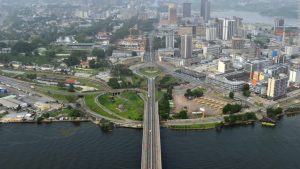
Lomé anchors nearly every visit, thanks to its lively Grand Marché, beach clubs, art scene, and the fascinating International Museum of the Gulf of Guinea.
The city’s waterfront stretches for miles, blending fishing villages, surf breaks, and casual bars that come alive at sunset.
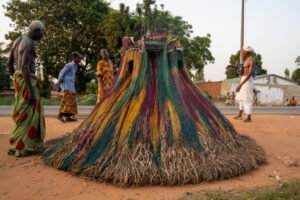
Just east of Lomé, Lake Togo offers a slower pace, with canoe trips, lakeside villages, and traditional voodoo ceremonies that remain an important part of local culture.
Inland, Kpalimé is a favorite for hiking, waterfalls, coffee farms, and artisan markets, surrounded by rolling green hills and cooler air.
Nearby Mount Agou (3,235 feet), the country’s highest point, rewards visitors with sweeping views and scenic drives.
Further north but still within safer zones, Atakpamé serves as a gateway to forested landscapes, traditional villages, and historic trade routes.
Across the region, travelers come for colorful markets, music, handcrafted batik textiles, and colonial-era architecture.
Places to Avoid in Togo
We’ve reviewed the travel advisories from the United States, the United Kingdom, and Canada.
They all agree there are two regions to avoid in Togo.
First, there’s the northern border area with Burkina Faso.
This is consistently a Level 4: Do Not Travel area.
The risks include terrorist attacks and kidnapping.
Even embassy personnel can’t go to this region.
This includes the cities of Cinkassé, Korbongou, Kong, Mandouri, and Nadioum.
Between the border region and Kande is another no-go zone.
This is also known as the Savanes region.
While the United Kingdom and Canada rank this as a Level 3: Avoid Non-Essential Travel, the United States lists it as Level 4.
However, the risks of terrorism and kidnapping are mentioned here, too.
Safety Tips for Traveling to Togo
- Togo’s national police can be reached by dialing 117 for emergencies. The fire brigade and ambulance services can be reached at 118. Response times vary widely, especially outside Lomé, and English is not always spoken. Save these numbers offline, and consider having your hotel or local contact assist during emergencies to avoid language delays.
- Togo does not have a nationwide public alert system like emergency texts or push notifications. Travelers should rely on local radio, hotel staff, official government announcements, and embassy alerts. Registering with your embassy before arrival helps ensure you receive security updates, travel warnings, and major event notifications during your stay.
- Foreign nationals technically need an international driving permit and local insurance to drive in Togo. In practice, self-driving is strongly discouraged. Road conditions are unpredictable, police checkpoints are frequent, and reports of carjackings and roadside robberies exist, particularly after dark. Hiring a local driver or using trusted transport services is far safer and far less stressful.
- A yellow fever vaccination certificate is required for entry. Malaria prevention is strongly recommended, along with routine vaccines like hepatitis A, hepatitis B, and typhoid. Depending on your itinerary, rabies may also be advised. Consult a travel medicine clinic before departure, especially if you plan rural travel or extended stays.
- Serious injuries and deaths have occurred after travelers sought treatment from unlicensed traditional healers. Medical standards vary widely, and regulation is limited. Stick with licensed hospitals and clinics for any medical issue, even minor ones. Travel medical insurance and evacuation coverage are highly recommended in case advanced treatment is needed elsewhere.
- Togolese law criminalizes same-sex sexual activity, with possible fines or imprisonment upon conviction. While there have been no known prosecutions of U.S. citizens, the law remains in place. LGBTQ+ travelers should be discreet, avoid public displays of affection, and understand that cultural and legal attitudes are far less tolerant than in many Western countries.
- Power cuts are common throughout Togo, including in hotels, restaurants, and tourist areas. Fuel shortages also occur and can disrupt transportation and generator use. Expect occasional blackouts, limited air conditioning, and unreliable internet. Booking accommodations with backup generators and flexible scheduling helps reduce frustration when infrastructure hiccups happen.
- French is the official language of Togo, and it dominates government, healthcare, and transportation. English is not widely spoken outside tourist-facing businesses in Lomé. In rural areas, local languages are more common than either French or English. Learning basic French phrases or using translation apps will make daily interactions significantly easier.
- Togo’s Atlantic coastline is powerful and unpredictable. Strong undertows, shifting sandbars, and sudden drop-offs make swimming dangerous, especially from January through May. There are no formal ocean rescue services. Surfing, fishing, and boating should only be done with experienced local operators who understand daily water conditions.
- Air quality fluctuates throughout the year. From December through February, harmattan winds blow fine dust from the Sahara, followed by seasonal agricultural burning. During this period, air quality can reach unhealthy or hazardous levels, especially for travelers with asthma or respiratory conditions. Masks and air-purifying accommodations can help reduce exposure.
So... How Safe Is Togo Really?
Togo isn’t the most dangerous country in Africa, but it comes with some pretty intimidating wording in the travel advisories.
Places like the United States and the United Kingdom offer travel advisories on a four-tiered scale, with Level 1 being the lowest and Level 4 being the highest.
Togo ranks as Level 2: Use a High Degree of Caution, but the northern border areas and surrounding region are at Level 3 or 4.
You should plan all activities south of Kande.
While a lot of money is being pumped into the tourism industry, the challenge in Togo is that the local police aren’t always willing or able to help.
Then you have the natural risks, where getting rescued is more of a concept than a guarantee.
The travel advisories make it clear that all activities are done at your own risk.
Hope is on the horizon that Togo might be safer to visit in the next decade, but for now, it’s a trip that should be planned with caution.
How Does Togo Compare?
| Country | Safety Index |
|---|---|
 Togo Togo | 69 |
 Tunisia Tunisia | 53 |
 Serbia Serbia | 77 |
 Japan Japan | 89 |
 Iran Iran | 35 |
 India India | 47 |
 Lithuania Lithuania | 79 |
 Mauritius Mauritius | 80 |
 Morocco Morocco | 54 |
Useful Information

Visas
Most travelers need a visa to enter Togo, which can be obtained online through the official e-visa system before arrival. Processing usually takes a few business days. Passport validity of at least six months and proof of onward travel are typically required. Entry rules can change, so checking official government sources before booking is smart.

Currency
Togo uses the West African CFA franc (XOF), which is pegged to the euro. Cash is king, especially outside Lomé. ATMs exist in major cities but are unreliable, and credit cards are accepted only at higher-end hotels. Carry small bills for markets, taxis, and everyday purchases to avoid constant change issues.

Weather
Togo has a tropical climate with warm temperatures year-round. The main rainy season runs from April through July, followed by a shorter rainy period in September and October. The dry harmattan season from December to February brings dust and hazy skies. Expect heat, humidity, and sudden downpours depending on the season.

Airports
Lomé–Tokoin International Airport (LFW) is Togo’s main international gateway, handling nearly all international flights. It offers direct connections to major African hubs and select European cities. Domestic air travel is limited, so most onward travel happens by road. Airport facilities are basic but functional, with limited dining and shopping options.

Travel Insurance
Travel insurance is essential for Togo due to the limited medical infrastructure and unpredictable transport conditions. Policies should include medical evacuation, hospitalization, and trip interruption coverage. Road accidents, illness, and delayed flights are common enough to justify comprehensive coverage. High-risk activities should come with travel insurance, and know that if you visit one of the Level 4 risk areas, your insurance will likely be useless.
Togo Weather Averages (Temperatures)
Average High/Low Temperature
| Temperature / Month | Jan | Feb | Mar | Apr | May | Jun | Jul | Aug | Sep | Oct | Nov | Dec |
|---|---|---|---|---|---|---|---|---|---|---|---|---|
| High °C |
32 | 32 | 33 | 32 | 31 | 29 | 28 | 28 | 29 | 30 | 31 | 31 |
| Low °C |
23 | 24 | 25 | 24 | 23 | 23 | 22 | 22 | 23 | 23 | 23 | 22 |
| High °F |
90 | 90 | 91 | 90 | 88 | 84 | 82 | 82 | 84 | 86 | 88 | 88 |
| Low °F |
73 | 75 | 77 | 75 | 73 | 73 | 72 | 72 | 73 | 73 | 73 | 72 |









Togo=😞😞😞😞😞😞🇹🇬🇹🇬🇹🇬🇹🇬🇹🇬🇹🇬
TOGO IS VERY BAD. I HATE THIS THING!
It’s true
Tell about your experience or leave a tip for others
Unstable
I was here with my family for holidays, not advisable, High level of theft, swindler and violence, stay vigilant at all time they are not as friendly as they seems to be
Not as safe
I first visited Togo with my wife in 2007, it was lovely and the people will play us music at night from local drum at the Beach, our experience made us came back for our 50th year anniversary which turn out to end badly, a scene I won’t forget
What happened?
This place gave me a sobering but practical sense of what to watch for traffic chaos, petty chaos, petty crime in markets, and border sensitivities without totally scaring me off. It helped me plan routes and realistic expectations before heading there.
Strolling along those white sandy beaches with that perfect ocean breeze really makes you forget about the chaos happening elsewhere.
Wasn’t expecting Togo to have such a rich history and diversity; what was your favorite experience there?
Did you really find a beach without a crowd? That sounds like a hidden gem!
Did the Kamina museum feel as powerful as those voodoo ceremonies in Lomé felt to me after a sweaty afternoon bargaining over grilled fish?
I’ve been to Togo a couple of times and while it’s definitely got that mix of culture and quiet charm, you can’t ignore that it sometimes feels a bit rough around the edges, especially when it comes to traveling between towns; it’s not always as smooth or safe as you might hope.
I never thought a place with such quiet beaches and bustling markets could feel both so relaxing and exciting at the same time.