


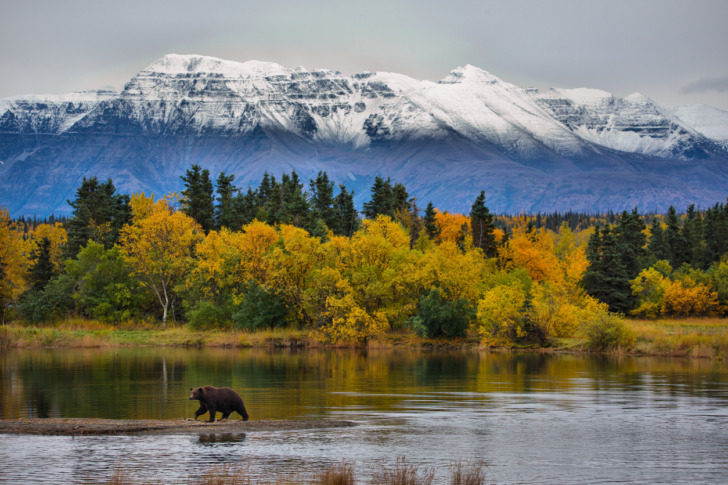
Wildlife and nature travel becomes far more rewarding when destinations place strong emphasis on conservation, trained local guides, and visitor safety.
In many parts of the world, travellers can now explore rainforests, mountain trails, wetlands, and marine reserves with far greater confidence thanks to stricter environmental protections and well-established tourism systems.
That is part of what makes destinations like Rwanda, Costa Rica, Nepal, and South Africa especially appealing for nature-focused travel.
Beyond the landscapes themselves, these countries have developed experiences that allow visitors to encounter wildlife responsibly while still supporting local communities and long-term conservation efforts.
Primate Trekking and Volcanic Safaris in Rwanda
Rwanda’s wildlife tourism revolves around Volcanoes National Park, where mountain gorilla trekking remains tightly controlled through permit limits and ranger-led groups.
Treks begin near Kinigi, where visitors gather before sunrise while guides explain gorilla behaviour, trekking conditions, and distance rules.
The bamboo forests on the slopes of Mount Bisoke and Mount Karisimbi can become muddy within minutes after rainfall, so porters and walking sticks are genuinely useful here.
Travellers staying around Musanze often spend time near the small streets surrounding the Musanze market area after returning from the park.
Motorbikes weave through the town carrying sacks of potatoes from nearby farms, and roadside stalls sell grilled maize and brochettes late into the evening.
The Dian Fossey Gorilla Fund campus near the park also adds important context to the conservation work that shaped the region.
For those interested in the best safaris in Rwanda, combining gorilla trekking in Volcanoes National Park with game drives in Akagera National Park gives a broader look at the country’s landscapes and wildlife.
Akagera feels very different from the volcanic north.
Flat savannah, lakes filled with hippos, and managed game drives make it possible to see lions, rhinos, elephants, and giraffes within a relatively compact park.
Boat trips on Lake Ihema usually pass crocodiles resting near the shoreline while fish eagles circle overhead.
Rwanda’s strict guide systems and regulated parks help make these wildlife experiences feel organised without becoming overly commercial.
Sustainable Big Five Encounters in South Africa
South Africa remains one of the more accessible safari destinations for first-time visitors because the infrastructure is dependable and the national parks are well managed.
Kruger National Park continues to attract the largest number of travellers, especially around Skukuza Rest Camp and Lower Sabie, where elephants, buffalo, and leopards are often spotted close to the roads.
Early mornings near the Sabie River can bring traffic to a complete stop, as lions rest beside the tarmac while vehicles gather nearby for a better view.
Outside Kruger, private reserves in the Greater Kruger area focus heavily on conservation and anti-poaching programmes.
Guides frequently discuss tracking systems, rhino monitoring, and local community projects during game drives, which gives visitors a better understanding of how safari tourism actually supports wildlife protection.
The roads around Hoedspruit have also become a useful base for travellers who prefer to stay at smaller lodges and have access to rehabilitation centres caring for injured animals.
Cape Town offers a completely different wildlife experience.
Along the coastal road near Simon’s Town, African penguins gather around Boulders Beach while surfers and fishing boats move across False Bay nearby.
Further south at Cape Point, baboons regularly appear along the roads and parking areas.
Rangers constantly remind visitors not to feed them because the animals quickly become aggressive around food.
Safety advice is taken seriously throughout South Africa’s parks, and most reputable operators keep radio contact with nearby vehicles during wildlife sightings.
River Expeditions and Mangrove Discovery in India
India’s wildlife experiences often get associated with tiger safaris, though the river systems and mangrove forests are just as interesting.
The Sundarbans, spread across West Bengal near the Bay of Bengal, form the world’s largest mangrove forest and one of the most closely monitored tiger habitats anywhere in Asia.
Boats move slowly through muddy channels lined with tangled mangrove roots while kingfishers, saltwater crocodiles, and spotted deer appear along the riverbanks.
Most journeys begin from Kolkata, where travellers often spend time around College Street, Sudder Street, or the flower markets beneath Howrah Bridge before heading south towards the delta region.
Once inside the Sundarbans, small villages sit behind raised embankments designed to protect homes from tidal flooding and cyclones.
Watchtowers allow visitors to scan mudflats safely with local forest guides.
Some of the most incredible India river cruises take place along the Brahmaputra River, where wetlands, tea estates, and wildlife reserves shape the journey.
These cruises pass river islands, tea estates, and wetlands where wild buffalo, dolphins, and migratory birds are commonly seen during the winter months.
Kaziranga National Park, known for its one-horned rhinoceroses, is frequently included in these itineraries.
River operators usually work closely with naturalists and regional authorities, which helps maintain safer wildlife viewing conditions throughout the trip.
Coastal Biodiversity and Marine Safety in Costa Rica
Costa Rica has spent years building a reputation around national parks, marine reserves, and environmental protection.
Manuel Antonio National Park remains one of the country’s busiest wildlife areas, though the walking trails still produce regular sightings of sloths, capuchin monkeys, and bright red scarlet macaws.
Park rangers monitor visitor numbers carefully, especially during holiday periods when the beaches and forest paths become crowded.
On the Pacific coast near Uvita, humpback whales migrate through Marino Ballena National Park during different parts of the year.
Local boat captains usually follow strict wildlife distancing rules, particularly around mothers travelling with calves.
The beaches around the park also attract nesting sea turtles, and some sections become protected zones during nesting season.
Further north around Tortuguero, narrow canals cut through rainforest where caimans drift quietly beside small boats.
Tortuguero village itself has sandy lanes, football pitches, small grocery shops, and colourful houses facing the water.
There are no roads connecting the town to the rest of the country, so boats remain the main form of transport.
High-Altitude Trekking and Peak Safety in Nepal
Nepal’s trekking routes attract experienced hikers and first-time mountain travellers every year, especially around the Annapurna and Everest regions.
Safety discussions have become much more visible recently, particularly concerning altitude sickness, weather changes, and guide regulations.
In Pokhara, trekking shops around Lakeside display weather updates and route notices daily during peak seasons.
The Annapurna region remains one of the more accessible trekking areas because villages such as Ghorepani, Chhomrong, and Manang have plenty of guesthouses and communication networks.
Suspension bridges cross deep river valleys beneath snow-covered peaks, while mule trains still carry supplies between settlements.
Guides frequently stop trekkers for hydration checks once the altitude increases beyond 3,000 metres.
Kathmandu adds another layer to the experience before the trek even begins.
Around Thamel, narrow streets fill with trekking gear stores, prayer flags, fruit sellers, and buses heading towards trailheads across the country.
Swayambhunath Temple overlooks the city from a hilltop crowded with monkeys and spinning prayer wheels.
Nepal’s mountain tourism still carries risks linked to altitude and weather, though experienced local guides, regulated trekking permits, and rescue coordination systems have significantly improved conditions over the years.
Which Wild Landscape Will You Explore?
Wildlife travel becomes far more rewarding when destinations actively protect the landscapes people come to see.
Rwanda’s gorilla trekking rules, South Africa’s conservation programmes, India’s river expeditions, Costa Rica’s protected coastlines, and Nepal’s trekking systems all show how nature tourism can remain accessible while still taking safety seriously.
In Rwanda, the mornings begin with trackers moving through misty bamboo forests.
In India’s mangroves, tidal channels fill with fishing boats and crocodiles resting along the banks.
Days later in Nepal, trekkers pass stone villages beneath snow-covered peaks while prayer flags snap in the wind above suspension bridges.
Additional Resources
 Wildlife and Nature Highlights Along the Mekong Delta
 Top 9 Budget Travel Destinations for Students
 5 Destinations for Remote Exploration and Rugged Landscapes
 Guide To Safe Post-COVID European Destinations
 Best Camping Destinations in Montana
 5 Landscape-focused Travel Destinations Across the Globe












After a long morning weaving through Rwanda’s misty bamboo forests, I couldn’t believe how close those gorillas got without feeling crowded.
The thick mud on the volcano slopes quickly soaked my boots, and having a walking stick definitely made the gorilla trek way easier than I expected.
The mud on those bamboo trails in Rwanda got me slipping more times than I’d like, but seeing a gorilla family up close made it totally worth it.
The muddy trails up Mount Bisoke were tougher than I expected, but spotting a gorilla family up close made the whole slippery hike totally worth it.