


Some trips revolve around cities, museums, and tightly packed itineraries.
Others are shaped by difficult terrain, changing weather, and the feeling of being far removed from anything familiar.
That is the appeal of remote exploration.
It draws travellers toward places that feel exposed and unpredictable, whether along Arctic coastlines, through volcanic valleys, across mountain trails, or beside isolated stretches of coast.
These landscapes are rarely polished or convenient.
Roads can be rough, distances often feel longer than expected, and conditions may shift dramatically within only a few hours.
Svalbard feels remote almost immediately after arrival.
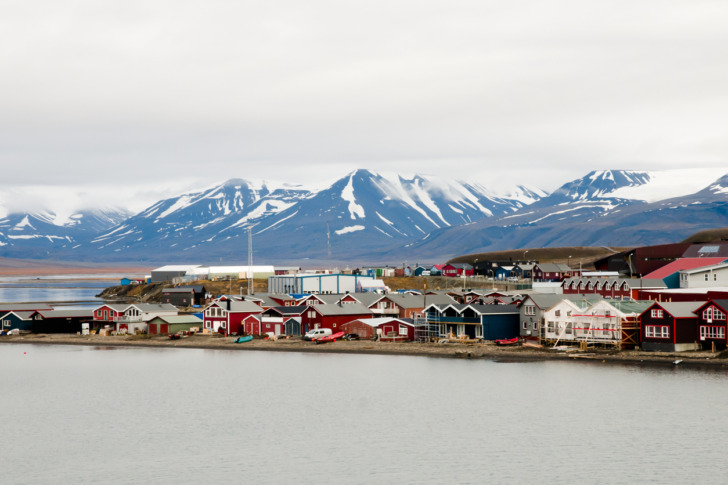
In Longyearbyen, snowmobiles line the streets during winter, while warning signs about polar bears stand near the edge of town beside Adventfjorden.
Beyond the Svalbard Museum and the old coal mining buildings, the main road quickly gives way to open Arctic terrain with few visual markers apart from mountains, ice, and water.
During summer, travellers often go on cruises to Svalbard in Norway from Isfjorden toward smaller islands where walruses gather along the shoreline.
Smaller expedition vessels frequently pass through the Hinlopen Strait and along the cliffs near Alkefjellet, where thousands of seabirds nest during the warmer months.
Zodiac landings sometimes take place beside abandoned trapper cabins and old hunting stations still standing along the coast.
Weather changes constantly in these waters, and sea ice can completely alter routes within only a few hours, particularly farther north near the pack ice.
Back in town, the wooden buildings along Hilmar Rekstens vei stay active late into the evening during the midnight sun period.
Grocery deliveries arrive through the port, sledge dogs bark from nearby kennels, and locals gather near the waterfront while tour groups prepare for the next departure to the north.
Volcanic Terrains and Glacial Valleys in Iceland
Iceland’s landscapes can feel surprisingly empty once travellers move beyond Reykjavik.
Route 1 passes through black sand plains near Vík, moss-covered lava fields outside Kirkjubæjarklaustur, and long stretches of open land where farmhouses appear miles apart.
At Þingvellir National Park, deep fissures cut through the ground beside walking paths and clear glacial water.
Wind conditions change quickly, especially near exposed coastal sections around Dyrhólaey.
The highland roads reveal another side of the country.
On the F208 route toward Landmannalaugar, river crossings and volcanic terrain replace paved roads entirely.
Hikers camp near steaming geothermal areas surrounded by orange rhyolite mountains and hardened lava flows.
Even in summer, sleet and freezing rain can arrive without warning.
Around Vatnajökull National Park, glacier tongues spill into valleys filled with black volcanic sediment carried down from the ice cap over centuries.
Smaller towns often feel tied closely to fishing and farming life.
In Ísafjörður, narrow streets curve beneath steep mountain walls while boats unload catches near the harbour throughout the day.
In Seyðisfjörður, colourful houses line Norðurgata beneath waterfalls and fog-covered hills.
These places feel isolated for good reason.
Winter storms regularly close roads for days at a time.
High-Altitude Trekking and Cultural Immersion in Nepal
Kathmandu, Nepal’s busy capital, feels crowded and noisy from the moment travellers enter Thamel.
Motorbikes weave through narrow streets lined with trekking shops, produce stalls, prayer flags, and tangled electrical wires hanging overhead.
Near Asan Market, locals buy spices and vegetables while porters carry heavy loads through alleyways barely wide enough for two people to pass.
Many trekking routes begin after long drives beyond the Kathmandu Valley, where roads narrow beside fast-moving rivers and steep mountain slopes.
Those planning to join a Nepal trekking tour often spend time in Kathmandu organising permits, guides, and transport before heading into the mountains.
Popular routes lead to the Annapurna and Everest regions, though quieter trails around Langtang and Manaslu still attract travellers looking for more remote conditions and smaller villages along the way.
In Pokhara, trekking groups gather along Lakeside Road before early departures into the mountains.
The first days on trails near Ulleri or Ghandruk pass stone staircases, terraced farms, and suspension bridges hanging above fast-moving rivers.
Higher up, villages like Manang and Dingboche sit beneath dry mountain landscapes where altitude becomes impossible to ignore.
Cultural traditions remain closely connected to daily life in these regions.
Prayer wheels spin outside monasteries in Tengboche; yak caravans move supplies between villages, and small bakeries operate beside trekking lodges at elevations above 11,000 feet.
Pristine Fjords and Coastal Peaks in Norway
Western Norway changes constantly with the weather.
Ferries cross dark water beneath cliffs where waterfalls pour directly into the fjords, and small villages sit between mountains with very little flat land surrounding them.
In Bergen, the old wooden buildings along Bryggen still lean toward the harbour as fishing boats and cargo vessels move through Vågen throughout the day.
Outside the city, roads narrow quickly as they wind toward Hardangerfjord and Sognefjord.
The Lofoten Islands feel even more exposed.
Red fishing cabins stand beside cold Arctic water near Reine and Hamnøy, while steep peaks rise almost straight out of the sea.
During winter, cod fishing remains central to many local communities.
Drying racks filled with stockfish appear beside harbours throughout the islands, especially near Henningsvær and Kabelvåg.
Further south, the Geirangerfjord draws hikers to its viewpoints, like Skageflå and Flydalsjuvet.
Cruise ships arrive during summer mornings, though quieter evenings return once the harbour clears.
On smaller roads near Loen and Olden, glaciers sit visible above green valleys filled with farms and grazing sheep.
Norway’s landscape rarely feels distant from daily life here.
People work within it constantly.
Ancient Pathways and Alpine Vistas in Peru
In Peru, Cusco still carries traces of the Inca Empire beneath modern traffic and tourism.
Stone walls line Hatun Rumiyoc Street near the old San Blas neighbourhood, and local markets near San Pedro remain busy from early morning with vendors selling potatoes, corn, herbs, and woven textiles brought down from mountain villages.
At Plaza de Armas, travellers gather before heading into the Sacred Valley or boarding early trains toward Machu Picchu.
The trails outside the city quickly climb into high-altitude terrain.
Along the Salkantay route, hikers pass glacial lakes, cloud forest sections, and mountain passes above 15,000 feet.
The Inca Trail takes you through archaeological sites like Wiñay Wayna before reaching the Sun Gate overlooking Machu Picchu.
Stone staircases built centuries ago still cut across steep slopes with little protection from weather or altitude exposure.
Away from the major trekking routes, villages around the Sacred Valley maintain older traditions tied to farming and weaving.
In Pisac, market days fill the main square beneath hillside ruins.
Ollantaytambo’s narrow water channels still run beside stone streets first laid during Inca times.
Even after several days in the Andes, the scale of the landscape can still feel difficult to process.
Ready to push your boundaries?
Remote travel often sounds appealing until the weather turns bad, roads disappear, or altitude starts affecting sleep and energy levels.
That’s usually when these destinations become memorable.
Svalbard’s Arctic coastline, Iceland’s volcanic interior, Nepal’s mountain villages, Norway’s fjords, and Peru’s ancient Andean trails all demand a bit more attention from travellers.
They also leave behind very specific memories tied to real places: a harbour covered in sea mist, boots drying beside a lodge heater, glacier water running through a village channel, or silence across an empty stretch of tundra.
Additional Resources
 The Importance of Nomad Travel Insurance and Popular Worldwide Remote Work Destinations
 5 Landscape-focused Travel Destinations Across the Globe
 Which Island to Choose for Remote Work?
 Building Your Own Personal Guide to Unseen Destinations
 Top 5 Mediterranean Cruise Destinations
 4 Best Destinations for a Lads Holiday












Iceland’s black sand near Vík feels like you’re walking on a different planet when the sleet starts coming down out of nowhere.
After hiking near Landmannalaugar, I never expected to get caught in freezing sleet during summer while camping next to steaming geothermal vents.
By the time I reached the tiny village in Nepal, my legs were aching from climbing those endless stone steps and the thin air made every breath feel like a small victory.
After hiking near Landmannalaugar, I was soaked to the bone in freezing rain but couldn’t stop staring at those orange rhyolite mountains glowing through the mist.