 Cambodia : Safety by City
Cambodia - safety as a country
Kampot is a relaxed riverside city in southern Cambodia, known for its French colonial architecture, nearby mountains, pepper farms, and easygoing atmosphere.
Sitting along the Preaek Tuek Chhu River and within reach of Bokor National Park and the coast, it attracts travelers looking for a quieter alternative to Phnom Penh or Siem Reap.
Kampot is generally considered a manageable destination for visitors, particularly around the city center and established tourist areas.
Still, Cambodia’s usual travel concerns apply.
Poor road conditions, reckless driving, opportunistic theft, unregulated adventure activities, and limited medical facilities can create problems if you are careless.
Most tourists visit Kampot without serious trouble, but a little preparation goes a long way here.
Warnings & Dangers in Kampot

OVERALL RISK: LOW
Kampot is generally safe for tourists, particularly in the central riverside area where hotels, restaurants, cafes, and guesthouses are concentrated. Violent incidents involving foreign visitors are uncommon. The bigger risks tend to involve traffic accidents, petty theft, poorly maintained rental vehicles, and occasional scams rather than serious crime.

TRANSPORT & TAXIS RISK: MEDIUM
Road safety is one of the more significant concerns in Kampot. Motorbikes, tuk-tuks, cars, pedestrians, and trucks frequently share narrow roads with limited lighting. Traffic rules are inconsistently followed. Renting a scooter is popular, but inexperienced riders should be particularly careful, especially when traveling toward Bokor Mountain or rural attractions.

PICKPOCKETS RISK: LOW
Pickpocketing is not especially common in Kampot compared with Cambodia's larger cities, but opportunistic theft still occurs. Phones, wallets, and bags left unattended at restaurants, bars, guesthouses, or rented scooters can disappear quickly. Keep valuables secured and avoid displaying expensive electronics unnecessarily, particularly late at night.

NATURAL DISASTERS RISK: MEDIUM
Heavy rain and flooding can affect Kampot during the wet season, generally between May and October. Rural roads may become muddy or difficult to travel, and sudden storms can make motorbike journeys dangerous. Flooding along low-lying areas near rivers is possible. Check conditions before heading into remote areas during prolonged rain.

MUGGING RISK: LOW
Muggings involving tourists are relatively uncommon in central Kampot, but isolated incidents can happen, particularly on dark roads late at night. Avoid walking alone through poorly lit areas far from the riverside district. Carry only the cash you expect to use and arrange transportation when returning from bars or restaurants late.

TERRORISM RISK: LOW
Kampot is not considered a significant terrorism target, and there is no routine terrorism threat specifically associated with the city. Travelers should still maintain normal awareness around crowded locations and public events. Political demonstrations are uncommon tourist experiences, but visitors should avoid protests or large confrontations if they occur.

SCAMS RISK: LOW
Tourist scams exist but are generally less aggressive than in major Cambodian destinations. Common problems include inflated transportation prices, questionable motorbike damage claims, tours that do not match descriptions, and confusion involving deposits. Confirm prices in advance, photograph rental vehicles before taking them, and use established operators whenever possible.

WOMEN TRAVELERS RISK: LOW
Women frequently travel independently through Kampot without problems. The central tourist district feels relaxed, and serious harassment is not considered widespread. Standard precautions still matter. Avoid isolated roads after dark, watch drinks in nightlife venues, use reliable transportation late at night, and tell someone where you are going when exploring remote areas.

TAP WATER RISK: MEDIUM
Visitors should generally avoid drinking tap water in Kampot. Bottled and filtered water are inexpensive and widely available. Most established hotels and restaurants understand tourist hygiene expectations, but travelers with sensitive stomachs should also be cautious about ice, raw vegetables, and food that appears to have been sitting unrefrigerated for extended periods.
Safest Places to Visit in Kampot
Kampot Riverside
The central riverside district is one of the easiest areas for travelers to navigate.
Hotels, restaurants, cafes, convenience stores, tour agencies, and tuk-tuks are readily available.
The area remains relatively busy into the evening, which makes it preferable to isolated neighborhoods for visitors unfamiliar with the city.
Walking along the riverfront is popular around sunset, although travelers should still watch traffic when crossing roads and keep phones and bags secure.
Old Town and Colonial Center
Kampot’s compact central streets contain many restored colonial buildings, coffee shops, restaurants, markets, and accommodations.
There is usually enough activity during the day and early evening that visitors rarely feel isolated.
Basic precautions against opportunistic theft are still sensible, particularly when leaving phones or bags on cafe tables close to the street.
Bokor National Park
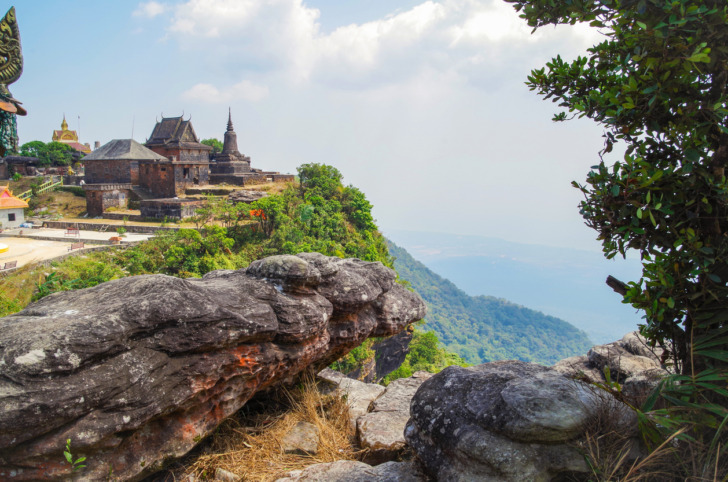
Bokor National Park is one of the region’s major attractions and can be visited safely when weather conditions are good.
The mountain road is considerably better than many rural Cambodian roads, but fog, rain, curves, and inexperienced motorbike riders can make the trip dangerous.
Travelers uncomfortable riding scooters should consider arranging a driver or organized excursion instead.
Kampot Pepper Farms
The countryside surrounding Kampot contains numerous pepper farms that welcome tourists.
Established farms offering guided visits are generally safe and provide an interesting look at the region’s famous Kampot pepper industry.
The primary safety issue is transportation rather than crime.
Rural roads can be rough, dusty, muddy, or poorly marked depending on the season, so allow extra travel time.
Places to Avoid in Kampot
Isolated Rural Roads After Dark
Kampot’s countryside can feel extremely peaceful during daylight hours, but rural roads become much more difficult after sunset.
Street lighting may be nonexistent, animals can wander into roads, and motorcycles or vehicles sometimes travel without adequate lights.
The biggest concern is generally a traffic accident rather than crime.
Try to complete countryside excursions before dark.
Remote River Areas at Night
Riverside guesthouses and attractions outside central Kampot can be beautiful, but some are several kilometers from town.
Walking along unfamiliar roads at night is not recommended because lighting and sidewalks are limited.
Arrange a tuk-tuk or other transportation rather than attempting a long nighttime walk back to your accommodation.
Poorly Maintained Swimming Areas
Swimming in rivers around Kampot requires more caution than many visitors expect.
Currents, submerged obstacles, changing water levels, boats, and uncertain water quality can create hazards.
Use designated swimming areas where possible and avoid entering unfamiliar water after heavy rainfall.
Unregulated Adventure Operators
Kampot has attracted backpackers and adventure travelers for years, which has created a large selection of tours and activities.
Quality can vary significantly.
Be cautious about companies offering kayaking, climbing, motorbike excursions, or other activities without proper equipment or clear safety procedures.
Saving a few dollars is rarely worthwhile when equipment quality is involved.
Empty Streets Far From the Center
Central Kampot is generally comfortable at night, but quieter residential streets can become almost completely deserted.
There is usually little reason for tourists to wander through unfamiliar neighborhoods late at night.
Stick to busier routes, particularly if you have been drinking or are carrying valuables.
Safety Tips for Traveling to Kampot
- Take Road Safety Seriously. Traffic accidents are a more realistic danger than violent crime. Wear a helmet on motorbikes, drive slowly, and assume other road users may ignore traffic rules. Avoid riding after drinking alcohol.
- Think Carefully Before Renting a Scooter. Scooters make exploring Kampot convenient, but inexperienced riders regularly underestimate Cambodian traffic. Rural roads can contain potholes, gravel, animals, sudden construction, and unexpected traffic. If you have little riding experience, hiring a tuk-tuk or driver is safer.
- Photograph Rental Vehicles. Take detailed photos and videos of any scooter, bicycle, or vehicle before leaving the rental shop. Document existing scratches and damage. This can prevent disagreements when returning the vehicle.
- Keep Your Phone Away From the Road. Do not walk beside busy roads while casually holding an expensive phone toward traffic. Opportunistic phone snatching is possible in Cambodia. Step away from the street when checking navigation.
- Avoid Drinking Tap Water. Use bottled or properly filtered water. Kampot’s hot climate makes dehydration easy, so carry water when exploring farms, mountains, or rural attractions.
- Return From Rural Areas Before Dark. Navigation becomes considerably more difficult after sunset. Roads may have no lighting, and potholes or animals become harder to see. Plan countryside trips so you are back in town before nightfall.
- Be Careful on Bokor Mountain. Weather can change quickly at higher elevations. Fog and rain can dramatically reduce visibility. Bring rain protection and avoid speeding down mountain roads, even when traffic appears light.
- Secure Valuables at Your Accommodation. Use a hotel safe or another secure location for passports, excess cash, and expensive electronics whenever possible. Carry only what you need during everyday sightseeing.
- Agree on Transportation Prices First. Confirm tuk-tuk prices before beginning longer journeys, especially to attractions outside town. Doing so prevents misunderstandings when you arrive. Having small Cambodian riel or U.S. dollar notes can also simplify payment.
- Choose Established Tour Operators. Read recent traveler feedback and inspect equipment before participating in kayaking, climbing, motorbike tours, or similar activities. A professional operator should be able to clearly explain the route, equipment, and basic safety procedures.
So... How Safe Is Kampot Really?
Kampot is generally one of Cambodia’s more relaxed destinations for travelers.
The city attracts backpackers, families, digital nomads, couples, and independent travelers without having the intensity of Phnom Penh or the massive tourism infrastructure surrounding Angkor.
Serious violent crime against tourists is not a major everyday concern.
Most visitors are more likely to encounter minor problems involving transportation, rental scooters, stomach illness, petty theft, or poor road conditions.
Traffic deserves particular attention.
Cambodia has a challenging road safety environment, and travelers unfamiliar with motorbikes can easily find themselves in situations beyond their experience.
Exploring Bokor Mountain or rural pepper farms on a scooter can be enjoyable, but proper helmets, conservative speeds, and avoiding night riding are important.
Kampot’s nightlife is relatively laid-back, but travelers should still use normal precautions with drinks, valuables, and transportation after dark.
The surrounding countryside adds another layer of risk because medical assistance, lighting, road quality, and emergency services become more limited once you leave town.
For travelers who use sensible precautions, Kampot is a fairly safe destination and an easy place to enjoy several days exploring southern Cambodia.
How Does Kampot Compare?
| City | Safety Index |
|---|---|
| Kampot |
76 |
| Phnom Penh |
60 |
| Sihanoukville |
55 |
| Siem Reap |
63 |
| Kep |
78 |
| Battambang |
70 |
 Mesa Mesa | 84 |
 Bumthang Bumthang | 92 |
| Framingham | 74 |
| Gallup | 46 |
| Joplin | 53 |
 San Ignacio San Ignacio | 78 |
Useful Information

Visas
Most foreign visitors require a Cambodian visa unless they qualify for visa-free entry. Tourist visas are commonly available electronically or on arrival for eligible nationalities. Entry rules and permitted lengths of stay can vary, so travelers should confirm current requirements before departure and make sure their passport has sufficient remaining validity.

Currency
Cambodia uses the Cambodian riel, although U.S. dollars are also widely accepted in many tourist businesses. Smaller transactions are increasingly handled in riel. ATMs are available around Kampot, but carrying some cash is useful when visiting rural attractions, local markets, pepper farms, or smaller restaurants.

Weather
Kampot has a tropical climate with hot conditions throughout most of the year. The dry season generally runs from November through April, while the wetter months occur from May through October. Heavy rainfall can temporarily flood roads and make countryside travel more difficult, particularly when exploring by motorbike.

Airports
Kampot does not have a major commercial airport. Travelers commonly reach the city by road from Phnom Penh, Sihanoukville, or other Cambodian destinations. Travel times can vary considerably because of traffic and road conditions. Kampot is also connected to other parts of Cambodia through buses, minivans, private transfers, and rail services.

Travel Insurance
Travel insurance is strongly recommended, particularly if you plan to rent a motorbike or participate in outdoor activities. Medical facilities in Kampot are limited compared with larger cities, and serious injuries may require transportation elsewhere. Check whether your insurance covers motorbike riding, since many policies exclude riders without an appropriate license or helmet.
Kampot Weather Averages (Temperatures)
Average High/Low Temperature
| Temperature / Month | Jan | Feb | Mar | Apr | May | Jun | Jul | Aug | Sep | Oct | Nov | Dec |
|---|---|---|---|---|---|---|---|---|---|---|---|---|
| High °C |
29 | 29 | 31 | 32 | 32 | 32 | 31 | 31 | 30 | 30 | 29 | 29 |
| Low °C |
24 | 24 | 26 | 27 | 27 | 27 | 27 | 27 | 26 | 26 | 26 | 24 |
| High °F |
84 | 84 | 88 | 90 | 90 | 90 | 88 | 88 | 86 | 86 | 84 | 84 |
| Low °F |
75 | 75 | 79 | 81 | 81 | 81 | 81 | 81 | 79 | 79 | 79 | 75 |
Cambodia - Safety by City
| City | Safety Index |
|---|---|
| Battambang | 70 |
| Kampot | 76 |
| Kep | 78 |
| Phnom Penh | 60 |
| Siem Reap | 63 |
| Sihanoukville | 55 |