


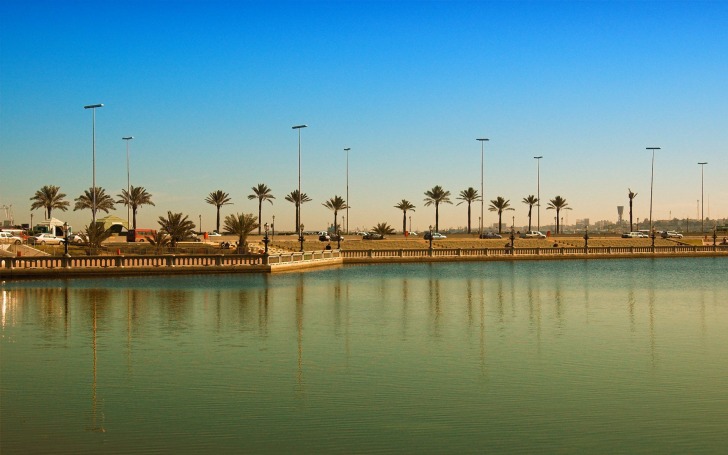
Tripoli, the capital of Libya, sits along the Mediterranean coast of North Africa, just a short flight south of Europe.
Historically, it has been a crossroads of civilizations, from Phoenicians and Romans to Ottomans and Italians.
Its old town, known as the medina, hides centuries of history behind weathered stone walls, while the sea breeze still rolls in from a sparkling blue horizon.
But let’s be honest.
Tripoli is not Barcelona or Rome.
It is a city that has endured political turmoil, armed conflict, and instability over the past decade.
That naturally raises the question every smart traveler asks: is it safe?
In this guide, I break down the real risks, what you need to know, and whether Tripoli belongs on your travel list right now.
Warnings & Dangers in Tripoli

OVERALL RISK: HIGH
Tripoli currently carries a high overall risk for travelers. Political instability, armed militia presence, and sudden flare ups of violence remain real concerns. While there are calmer periods, the security situation can shift quickly. Many governments advise against travel due to unpredictable security conditions and limited consular assistance.

TRANSPORT & TAXIS RISK: HIGH
Transport infrastructure is limited and loosely regulated. Official taxis exist, but there is no standardized ride hailing system comparable to major global cities. Road conditions vary, traffic laws are inconsistently enforced, and checkpoints are common. For foreigners, moving around independently can pose both logistical and security risks.

PICKPOCKETS RISK: MEDIUM
Petty theft does occur, especially in crowded markets and busy streets in central areas. However, compared to cities with heavy tourism, pickpocketing is not the primary safety concern. Opportunistic theft can happen, particularly in the medina and transport hubs, so keeping valuables discreet is important.

NATURAL DISASTERS RISK: LOW
Tripoli is not prone to frequent major natural disasters. It has a Mediterranean climate with occasional storms and flooding during heavy rains. Earthquakes are rare but possible in the region. Overall, natural hazards are not the main risk factor for visitors.

MUGGING RISK: MEDIUM
Armed robberies and muggings can occur, particularly at night or in less monitored neighborhoods. The presence of weapons in civilian hands increases the potential severity of incidents. Visitors who appear foreign or affluent may be at greater risk, especially outside central areas.

TERRORISM RISK: HIGH
Libya has experienced extremist activity in the past, including attacks in urban areas. Although security operations have reduced some threats, the risk of terrorism remains elevated. Targets have included government facilities and public spaces, making situational awareness critical.

SCAMS RISK: MEDIUM
Common travel scams are less developed than in heavily touristed cities, but overcharging foreigners, unofficial “guides,” and currency exchange manipulation can occur. The absence of strong consumer protections means disputes can be difficult to resolve.

WOMEN TRAVELERS RISK: HIGH
Women travelers may face additional challenges. Conservative social norms, harassment, and limited legal recourse increase vulnerability. Solo female travel requires extreme caution, modest dress, and ideally accompaniment by trusted local contacts.

TAP WATER RISK: MEDIUM
Tap water quality is inconsistent due to aging infrastructure and service disruptions. Even locals often rely on bottled water. Visitors should avoid drinking tap water and use bottled or properly treated water for brushing teeth.
Safest Places to Visit in Tripoli
Let me be very clear.
“Safe” in Tripoli is always relative.
It means comparatively calmer, more monitored, and less prone to sudden incidents than other parts of the city.
If you go, these are the areas that generally make the most sense.
The Old Medina and Red Castle Area
The historic heart of the city, especially around the Red Castle Museum, is one of the more controlled zones during stable periods.
The fortress complex has symbolic importance and often sees a visible security presence.
Daytime visits to the medina can feel surprisingly normal.
Shopkeepers sell spices, textiles, and traditional crafts, and local families move through narrow alleys.
Still, go during daylight, keep a low profile, and avoid wandering into deserted side streets.
Martyrs’ Square and the Central Waterfront
Martyrs’ Square sits at the center of civic life.
On quiet days, it is simply a large open plaza with traffic circling its perimeter and views toward the Mediterranean.
The nearby waterfront promenade can also be calmer, particularly in the afternoon when families gather.
However, this area can quickly transform during political rallies, so always assess the atmosphere before lingering.
High Security Hotel Zones
International or well established business hotels provide the closest thing to a controlled environment in Tripoli.
These properties typically have guarded entrances, vehicle checks, and restricted access.
If you are traveling for business or official reasons, basing yourself inside one of these compounds significantly reduces exposure to street level unpredictability.
Many visiting diplomats, contractors, and journalists rely on this setup.
Embassy and Diplomatic Vicinities
Where embassies operate, surrounding streets sometimes have additional patrols or checkpoints.
While this does not eliminate risk, it can create a slightly more regulated environment compared to outer districts.
Places to Avoid in Tripoli
The areas to avoid are not always marked on a map.
They are defined more by political tension, militia presence, and recent clashes than by traditional “bad neighborhood” labels.
Southern Suburbs and Outlying Districts
Southern districts of Tripoli have historically seen sporadic fighting between rival armed groups.
These neighborhoods are far removed from tourist infrastructure and can experience sudden flare ups.
Unless you have a compelling reason and trusted local coordination, avoid these areas entirely.
They offer little for visitors and significantly higher exposure to instability.
Industrial Zones and Port Areas
Industrial districts and certain parts of the port are not designed for tourism and can feel isolated.
Limited lighting, minimal foot traffic, and the presence of security personnel increase the chance of misunderstandings or unwanted scrutiny.
Photography in these areas is especially risky.
Security forces may question anyone taking pictures near infrastructure.
Military Installations and Checkpoint Clusters
This may seem obvious, but it is critical.
Avoid lingering near military bases, government ministries, or clusters of armed checkpoints.
Even casual curiosity can be misinterpreted.
Never photograph armed personnel, vehicles, or fortified buildings.
Doing so can result in detention.
Airport Perimeter and Conflict Flashpoints
The roadways and neighborhoods around Mitiga International Airport have previously been strategic points during internal clashes.
Even when calm, the atmosphere can be tense due to heavy security.
Travel directly to and from the airport without unnecessary stops, and schedule arrivals during daylight hours whenever possible.
Any Area Experiencing Demonstrations
Perhaps the most important rule: avoid any gathering that looks political.
Crowds can form quickly around Martyrs’ Square or government buildings.
What begins as peaceful can escalate without warning.
If you notice chanting, heavy police presence, or road closures, leave immediately.
Safety Tips for Traveling to Tripoli
- Check official travel advisories daily. Government travel advisories change frequently for Libya. Before and during your trip, review updates from your country’s foreign affairs department. Conditions in Tripoli can shift quickly, and staying informed is your first layer of protection.
- Register with your embassy. If your country maintains limited diplomatic presence, register your trip online if possible. In emergencies, this makes it easier for officials to contact or assist you.
- Arrange trusted local contacts. Do not attempt independent backpack style exploration. Work with vetted local contacts, business partners, or official guides who understand neighborhood level security dynamics.
- Use secure accommodation. Stay in reputable international hotels or compounds with controlled access and private security. Avoid budget guesthouses that lack security protocols.
- Limit movement after dark. Nighttime increases vulnerability. Plan activities during daylight hours and minimize unnecessary travel once the sun sets.
- Avoid political discussions. Publicly expressing political opinions or engaging in debates can attract unwanted attention. Keep conversations neutral and respectful of local sensitivities.
- Dress conservatively. Modest clothing reduces attention, especially for women. Long sleeves, loose fitting clothing, and covered shoulders align better with local norms.
- Keep documents secure. Carry copies of your passport and visa while keeping originals secured. Checkpoints are common, and authorities may request identification.
- Use bottled water and safe food practices. Stick to bottled water and well cooked meals from reputable establishments. Gastrointestinal illness is a preventable risk.
- Have an exit plan. Always know how you would leave the country quickly if the security situation deteriorates. Keep emergency funds accessible and monitor flight availability.
So... How Safe Is Tripoli Really?
Tripoli is not a conventional tourist destination at this time.
The primary safety concern is not petty crime but political and armed instability.
According to international security assessments, Libya continues to face fragmented governance and militia influence, which contributes to unpredictable security dynamics.
While some central districts may experience relative calm for extended periods, flare ups of violence have occurred with little notice in recent years.
Infrastructure challenges, limited medical services, and restricted consular support compound the risks.
Statistically, everyday crime is not necessarily higher than in some global cities.
However, the severity and unpredictability of conflict related incidents elevate overall risk significantly.
For business travelers with structured support, security arrangements, and local partners, travel may be manageable during stable periods.
For leisure tourists, however, Tripoli currently ranks as a high risk destination.
How Does Tripoli Compare?
| City | Safety Index |
|---|---|
 Tripoli Tripoli |
20 |
 Saskatoon Saskatoon | 73 |
 Ocean City Ocean City | 71 |
| New Brunswick | 64 |
| Orangeburg | 62 |
| Clinton | 82 |
| Butte | 83 |
Useful Information

Visas
Tourist visas for Libya are required for most nationalities and must typically be arranged in advance through a Libyan embassy. Fees vary but often range from 50 to 150 USD. Processing times can be unpredictable. Independent tourist visas may be difficult to obtain without a sponsor.

Currency
The official currency is the Libyan dinar. Credit cards are rarely accepted, and cash is king. Currency exchange should be done through official banks or trusted channels. Bring crisp US dollars or euros for exchange, as damaged bills may be rejected.

Weather
Tripoli has a Mediterranean climate with hot, dry summers often exceeding 90°F and mild winters around 55 to 65°F. Pack lightweight breathable clothing for summer and a light jacket for winter evenings. Sun protection is essential year round.

Airports
Tripoli’s main gateway has been Mitiga International Airport, which operates limited international flights. Access to and from the airport can involve security checkpoints. Always confirm flight status in advance due to occasional disruptions.

Travel Insurance
Comprehensive travel insurance is essential. Ensure your policy covers high risk destinations, medical evacuation, and political instability. Medical facilities are limited, and evacuation to another country may be necessary in serious cases.
Tripoli Weather Averages (Temperatures)
Average High/Low Temperature
| Temperature / Month | Jan | Feb | Mar | Apr | May | Jun | Jul | Aug | Sep | Oct | Nov | Dec |
|---|---|---|---|---|---|---|---|---|---|---|---|---|
| High °C |
17 | 18 | 21 | 25 | 30 | 33 | 35 | 35 | 33 | 29 | 23 | 18 |
| Low °C |
8 | 9 | 10 | 13 | 17 | 21 | 22 | 23 | 22 | 18 | 13 | 9 |
| High °F |
63 | 64 | 70 | 77 | 86 | 91 | 95 | 95 | 91 | 84 | 73 | 64 |
| Low °F |
46 | 48 | 50 | 55 | 63 | 70 | 72 | 73 | 72 | 64 | 55 | 48 |
Libya - Safety by City
| City | Safety Index |
|---|---|
| Tripoli | 20 |


Really got
I went to Libya a while ago an it’s was got I got robbed 24 times don’t go here
What is your primary language? I don’t understand your post.
Not recommended
I would not recommend a trip to Tripoli for any reason at all. If you must, then take all the extra measures to stay safe while you are there. The government and foreign affairs department of your country has a strong reason why they discourage travel to Libya. Other than that, if you do find yourself there enjoy the coastal view and the architecture.
Dangerous
I was surrounded by men when I was travelling alone on the way to meet some friends. The men tried to take my money but luckily there were some other people who had heard me crying for help.
i almost got killed
yes i really almost died…
what happened
You referred to Lebanon instead of Libya when you mentioned electrical outages. What do they have to do with each other?
not good
man your lucky
It’s such a shame that Tripoli, with its rich history and stunning sights, isn’t safe for visitors right now; I really hope the spirit of the people can shine through the challenges and bring about some positive change soon.
It’s really something to see how the people of Tripoli keep finding ways to connect despite everything they’re facing; that kind of resilience is truly inspiring.
The medina’s weathered stone walls and that sea breeze still stop me in my tracks, but I always feel that little knot in my stomach checking the news as I walk.
Walking the medina with salt on my jacket and that sharp sea breeze made me feel strange mix of wistfulness and wary admiration for a city that keeps surprising you.
Walking the medina’s narrow alleys at dawn with that sharp sea smell feels oddly alive, yet after seeing checkpoints and hearing gunfire some nights I still wonder if it’s worth the risk.
Anyone else feel the medina at dusk left them oddly calm but on edge, with that salty sea breeze?
Anyone else find the medina’s old stone walls and salty sea breeze kind of soothing, even with the checkpoints around town?