


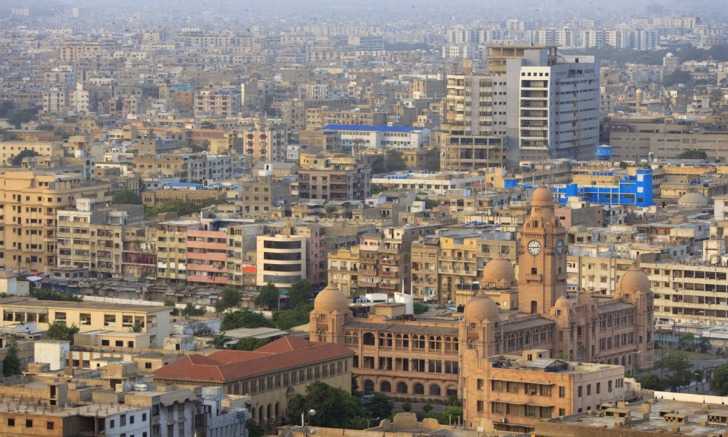
Karachi is not just Pakistan’s largest city.
It is its economic engine, its cultural melting pot, and its restless heartbeat.
Sitting along the Arabian Sea in southern Pakistan, this mega city of more than 20 million people blends colonial architecture, buzzing bazaars, beach sunsets, and a food scene that never seems to sleep.
When I first researched Karachi, I expected headlines.
What I found instead was complexity.
Yes, the city has faced serious security challenges in the past.
But it has also undergone major security operations and reforms that have significantly changed the safety landscape over the past decade.
So the real question is not whether Karachi has risks.
Every mega city does.
The question is whether those risks are manageable for travelers.
Let’s break it down honestly and clearly.
Warnings & Dangers in Karachi

OVERALL RISK: MEDIUM
Karachi has improved considerably in security over the past decade, with crime rates lower than during its peak violence years in the early 2010s. However, it remains a massive, densely populated city with economic disparities and localized crime. Visitors who stay in safe districts and follow precautions generally experience trouble free trips.

TRANSPORT & TAXIS RISK: MEDIUM
Traffic in Karachi is chaotic, and road accidents are common due to speeding, poor enforcement, and inconsistent infrastructure. Ride hailing services are widely used and generally safer than street taxis. Public buses can be crowded and confusing for tourists. Defensive travel habits are essential here.

PICKPOCKETS RISK: MEDIUM
Petty theft exists, particularly in crowded markets, public transport, and busy commercial areas. It is not on the scale of some major tourist cities, but opportunistic theft does happen. Visible phones, wallets, and cameras can attract attention in certain areas.

NATURAL DISASTERS RISK: MEDIUM
Karachi faces occasional flooding during heavy monsoon rains, especially in July and August. Earthquakes are possible in the broader region but rare in the city itself. Heatwaves are a more serious concern, with summer temperatures exceeding 40°C and posing health risks.

MUGGING RISK: HIGH
Street robberies, often involving motorcycles, do occur in certain neighborhoods. Incidents are usually opportunistic rather than targeted at tourists specifically. Avoid isolated streets at night and do not resist if confronted. Most violent crime is localized rather than random.

TERRORISM RISK: MEDIUM
Pakistan has experienced terrorism historically, including in Karachi. However, major security crackdowns significantly reduced large scale attacks in recent years. Risk remains present but lower than a decade ago. Foreign government advisories often recommend caution and avoiding political gatherings.

SCAMS RISK: MEDIUM
Scams are not highly sophisticated but can include overcharging, fake officials, or inflated taxi fares for foreigners. These are avoidable by using apps, confirming prices beforehand, and avoiding unofficial intermediaries.

WOMEN TRAVELERS RISK: MEDIUM
Female travelers can visit Karachi, but cultural norms are conservative. Modest dress and awareness of surroundings are important. Harassment can occur, especially in crowded or less affluent areas. Many women travel safely by staying in reputable districts and using trusted transport.

TAP WATER RISK: HIGH
Tap water in Karachi is not considered safe for drinking. Contamination and inconsistent treatment standards mean bottled or filtered water is essential. Even locals frequently rely on bottled water.
Safest Places to Visit in Karachi
Clifton: Coastal Calm with Security Presence
Clifton is where Karachi feels most approachable for visitors.
Wide roads, visible private security, upscale residences, and a steady police presence make this one of the city’s most stable districts.
Dolmen Mall Clifton acts as a social hub, drawing families, professionals, and expatriates.
The surrounding cafes and restaurants are accustomed to foreign guests.
Clifton Beach, especially near well lit sections, is popular at sunset.
While it is not pristine in the tropical sense, it offers open space and crowds that provide a sense of collective safety during busy hours.
Defence Housing Authority (DHA): Controlled and Residential
DHA is arguably the safest area in Karachi.
It is a planned residential neighborhood with gated streets in some phases, private guards, and better infrastructure than most of the city.
Restaurants here range from casual eateries to high end dining.
If you want a calm base, book your accommodation here.
The roads are better maintained, traffic is more organized by Karachi standards, and the atmosphere is noticeably more orderly.
Mazar e Quaid Area: Monitored and Maintained
The mausoleum of Pakistan’s founder is heavily guarded and well managed.
The grounds are spacious, clean, and monitored.
Visiting during daylight hours offers both safety and a meaningful cultural experience.
Cultural Pockets: Mohatta Palace and Frere Hall
These historic landmarks sit in relatively secure zones and are maintained by authorities.
Security checks are common at entrances.
They offer architecture, exhibitions, and gardens in environments that feel structured rather than chaotic.
Places to Avoid in Karachi
Lyari: Improved but Still Sensitive
Lyari was once associated with gang violence and turf wars.
While security operations have improved the situation, it remains socioeconomically challenged.
It lacks tourist infrastructure, and visitors have little reason to explore independently here.
Orangi Town: High Density and Limited Oversight
Orangi Town is one of the largest informal settlements in the world.
Infrastructure is limited, and poverty driven crime can occur.
There are no tourist attractions here, and navigating the area without local guidance is not recommended.
Korangi and Industrial Zones: Isolated After Dark
Industrial areas, particularly at night, can feel deserted and poorly lit.
Limited pedestrian activity makes opportunistic crime more likely.
Tourists should avoid wandering into these districts unless visiting a specific business during the day.
Saddar After Dark: Crowded and Unpredictable
Saddar is historically significant and busy during the day.
However, after dark, the area becomes more unpredictable.
Petty theft and street robberies are more likely in crowded commercial pockets.
If you visit, go during daylight and stay alert.
Political or Religious Gatherings Anywhere
Regardless of neighborhood, avoid protests, rallies, or large processions.
These events can escalate quickly and sometimes lead to road closures or clashes.
Safety Tips for Traveling to Karachi
- Stay in Clifton or DHA. Your choice of accommodation determines much of your experience. These areas offer better lighting, security patrols, and easier access to reliable transport. Avoid budget guesthouses in unknown districts.
- Use Ride Hailing Apps. Services like Careem and Uber are commonly used and safer than hailing random taxis. Confirm driver details before entering and avoid sharing rides with strangers.
- Dress Modestly. Especially for women, conservative clothing helps reduce unwanted attention. Lightweight long sleeves and loose pants work well in the heat.
- Avoid Night Wandering. Karachi is not a late night walking city for tourists. Even in good areas, use transport after dark rather than walking long distances.
- Do Not Display Valuables. Expensive watches, jewelry, and visible electronics attract attention. Keep phones discreet and avoid standing on sidewalks texting.
- Monitor Local News. Political protests and strikes can disrupt transportation and create tense situations. Check local updates before heading out.
- Carry Identification. Foreign visitors should keep a copy of passport and visa. Security checkpoints exist in some areas.
- Stay Hydrated Carefully. The heat is intense. Drink sealed bottled water only and avoid ice in questionable establishments.
- Do Not Resist in Robbery Situations. Most muggings are financially motivated. Compliance minimizes risk of escalation.
- Respect Cultural Norms. Public displays of affection are frowned upon. Understanding local customs reduces unwanted attention and conflict.
So... How Safe Is Karachi Really?
Karachi’s reputation was shaped by a difficult period between roughly 2008 and 2014, when political violence and gang activity were high.
Since then, large scale law enforcement operations significantly reduced homicide rates and militant activity.
That said, Karachi remains a city of extremes.
It is enormous, economically unequal, and occasionally volatile.
Crime still exists, particularly street robbery and localized violence.
It is not a relaxed tourist city in the way Bangkok or Barcelona might feel.
However, most visits by business travelers, journalists, and diaspora visitors occur without incident, particularly when staying in controlled neighborhoods and following precautions.
The primary risks are opportunistic crime and infrastructure challenges rather than targeted attacks on tourists.
Karachi is not risk free.
But it is also not the constant danger zone headlines once suggested.
Informed, cautious travelers can explore it safely.
How Does Karachi Compare?
| City | Safety Index |
|---|---|
 Karachi Karachi |
35 |
| Lahore |
45 |
| Islamabad |
50 |
 Murray Murray | 83 |
| Fort Ransom | 79 |
| North Carolina | 64 |
 Chichen Itza Chichen Itza | 70 |
| Layton | 81 |
| Grand Marais | 80 |
Useful Information

Visas
Most travelers require a visa to enter Pakistan. Many nationalities can apply online through Pakistan’s e visa system. Tourist visas are typically issued for 30 to 90 days. Fees vary by nationality, generally ranging from around 20 to 60 USD.

Currency
The local currency is the Pakistani Rupee. Exchange money at official exchange companies or banks. US dollars are widely accepted for exchange. Avoid street money changers. Credit cards are accepted in major hotels and malls but not everywhere.

Weather
Karachi has a hot desert climate. Summers are extremely hot and humid, often exceeding 40°C. Winters are mild and pleasant. Pack lightweight breathable clothing, sun protection, and modest attire.

Airports
Jinnah International Airport serves Karachi and is the main international gateway. It is located about 20 kilometers from central districts like Clifton. Pre booked hotel transfers or ride hailing apps are the safest way into the city.

Travel Insurance
Comprehensive travel insurance is strongly recommended. It should cover medical evacuation, theft, and trip disruption. Healthcare quality varies, and private hospitals may require upfront payment.
Karachi Weather Averages (Temperatures)
Average High/Low Temperature
| Temperature / Month | Jan | Feb | Mar | Apr | May | Jun | Jul | Aug | Sep | Oct | Nov | Dec |
|---|---|---|---|---|---|---|---|---|---|---|---|---|
| High °C |
25 | 27 | 30 | 33 | 35 | 35 | 32 | 31 | 32 | 33 | 31 | 27 |
| Low °C |
13 | 15 | 19 | 22 | 25 | 27 | 27 | 26 | 25 | 23 | 18 | 14 |
| High °F |
77 | 81 | 86 | 91 | 95 | 95 | 90 | 88 | 90 | 91 | 88 | 81 |
| Low °F |
55 | 59 | 66 | 72 | 77 | 81 | 81 | 79 | 77 | 73 | 64 | 57 |
Pakistan - Safety by City
| City | Safety Index |
|---|---|
| Islamabad | 50 |
| Karachi | 35 |
| Lahore | 45 |













Careem is the best way of transportation
Rickshaw is only the best form of transportation when going to crowded market areas like Saddar. Otherwise use Careem or Uber. It’s very safe, I took it alone as a woman in the middle of the night and never had to worry. You can also call one from the airport.
Amazing Karachi and Pakistan
Rikshaw is not the best transport its mainly used by poor locals. Best to use Uber, Careem or hire a car with the driver. City is quite safe but like any big city in the world it has its problems, people are extremely hospitable and helpful, food and shopping is amazing. A must country to visit.
is it safe in karachi now
There’s something about the hustle and bustle of Karachi that makes even a simple evening out feel like an adventure, especially when you stumble upon those hidden food spots that make your taste buds dance.
Is it really that different from other cities in Pakistan? I always thought the pace was similar, but your description makes it sound like a whole other world!
Walking through the bustling bazaars and feeling the vibrant energy of Karachi, you can’t help but get swept up in the city’s endless rhythm and incredible diversity.
Walked Burns Road at midnight, chaos everywhere but that biryani smell made me grin and feel oddly at home.
The sea breeze at Clifton and the late-night biryani on Burns Road made the chaos feel strangely welcoming.
Strolling past Burns Road at dusk, the biryani smell and the sea breeze actually calmed me down despite the honking and crowds.
Walking along Clifton at dusk, when the fish stalls light up and the sea smells faintly of oil and salt, I still feel a tight mix of pride and worry about how fragile this place can be.