


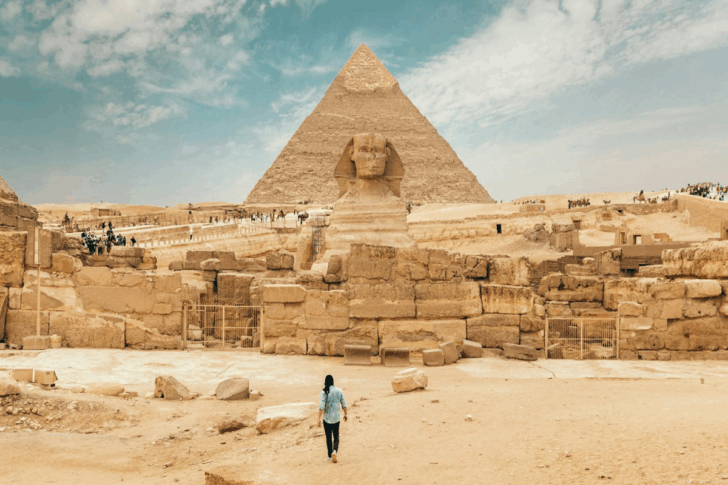
The question “Is Egypt safe to travel to?” receives a simple yes every single time.
In 2026, the reality is nuanced, shaped by geography, common-sense precautions, and Egypt’s robust security measures dedicated to protecting its vital tourism industry.
For the millions of visitors who explore the country each year, experiences are overwhelmingly positive when they focus on established tourist routes and staying informed.
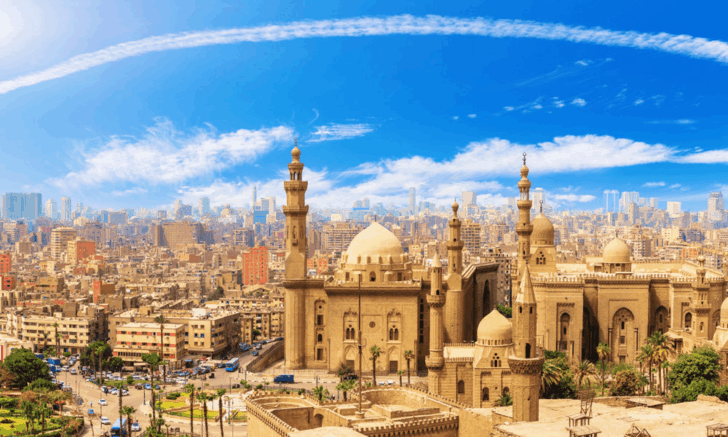
Official Travel Advisories: Context Matters
Despite the growing tension involving the United States and Iran, Egypt remains a comparatively stable and well-controlled destination for international visitors.
Its main tourist areas are far from the core conflict zones.
Egyptian airspace and airports have continued operating while some nearby regions faced disruption, and tourism security remains a national priority.
Based on traveler feedback, customer reviews, and the structure of guided itineraries, professionally planned Egypt vacation packages are often considered among the safest and most reliable ways to experience the country, as they usually focus on Egypt’s best-secured tourist corridors, including Cairo, Giza, Luxor, Aswan, Hurghada, Sharm El Sheikh, and Marsa Alam.
Geographically, Egypt also benefits from a strong buffer.
The distance between Cairo and Tehran is more than 1,500 kilometers, while Red Sea destinations such as Hurghada and Marsa Alam are even farther from the main routes associated with regional escalation.
As of March 2026, the U.S. State Department keeps Egypt at Level 2: Exercise Increased Caution for most of the country, with “Do Not Travel” warnings limited to specific areas such as North Sinai, parts of the Western Desert, and border zones.
This means Egypt remains open to travelers, while visitors are advised to stay alert and avoid restricted regions.
The UK Foreign, Commonwealth & Development Office also advises against travel only to specific remote or border areas, including North Sinai and areas near the Egypt-Libya border, rather than Egypt’s main tourist destinations.
For travelers who want extra peace of mind, booking an organized trip can be a smart choice, as reputable tour operators typically arrange vetted hotels, licensed guides, private transfers, airport assistance, and routes that stay within Egypt’s most visited and better-secured areas.
This is also why many customer reviews highlight guided Egypt trips as a safer, smoother, and more comfortable way to explore the country.
The Geographic Divide: Safe Zones vs. Areas to Avoid
Safety in Egypt is highly location-specific.
The vast majority of travelers stick to well-policed “tourist corridors” that benefit from intensive security, which include the following:
- Nile Valley (Cairo, Giza, Luxor, Aswan): Heavily secured with tourist police, checkpoints, and airport-level screening at major sites like the Grand Egyptian Museum (GEM) and temples.
- Red Sea Riviera (Hurghada, Sharm El Sheikh, Marsa Alam): Isolated resort environments with dedicated security, high-tech surveillance, and a focus on leisure.
- North Coast (including new developments in Ras El Hekma and New Alamein): Growing as a Mediterranean-style destination with modern infrastructure.
Areas to Strictly Avoid include North Sinai Governorate and border regions with Libya and Sudan — these are militarized zones with ongoing security operations.
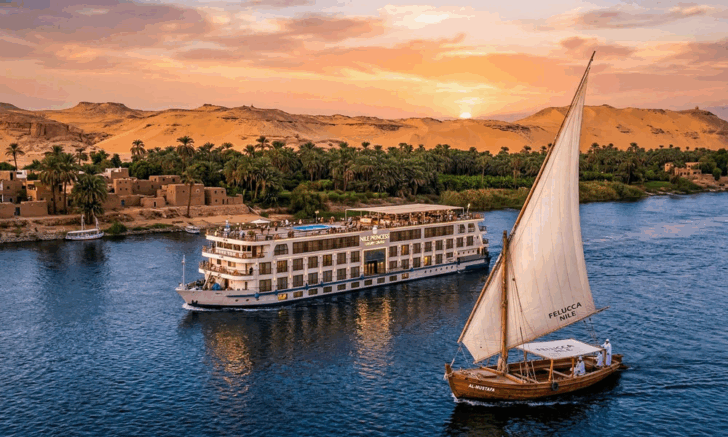
By confining your itinerary to Cairo, the route of the Nile Cruise, Luxor/Aswan, and Red Sea resorts, you remain within a highly managed and protected environment.
Egypt’s “Security Bubble”: Protection You Can See
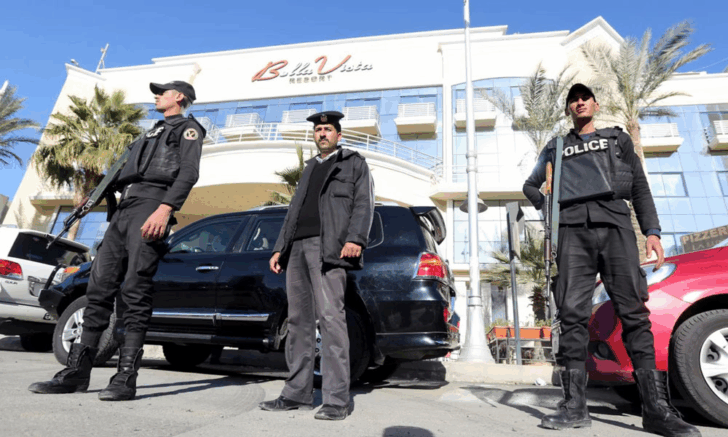
The Egyptian government treats tourism as a national priority and invests significantly in visitor safety.
Egypt maintains stability from within through strict domestic oversight, rapid containment of protests away from tourist landmarks, and a visible Tourist Police presence at hotels, museums, and archaeological sites, helping preserve normal conditions for all Egyptian guests.
First-time travelers may initially find the visible security presence striking, but it is designed to create a safe environment:
- Frequent checkpoints on highways between cities.
- Dedicated Tourist Police units are trained specifically to assist and protect foreign visitors.
- Metal detectors and bag screening at hotels, malls, museums, and archaeological sites.
- New infrastructure, such as the high-speed rail network and Sphinx International Airport, further enhances secure and efficient movement for tourists.
Practical Realities: What Travelers Actually Face
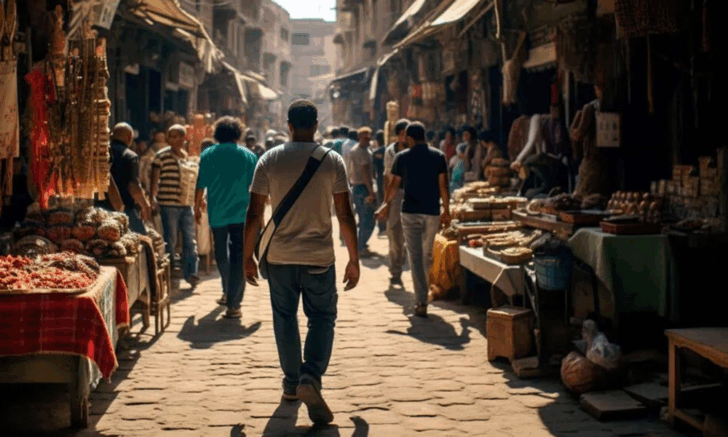
For most visitors, the primary challenges are not serious security threats but everyday hassles:
- Touts and Vendors: Aggressive sellers near the Pyramids, Luxor temples, or markets are common. A polite but firm “La, Shukran” (No, thank you) combined with a smile and steady pace usually suffices.
- Solo Female Travelers: Modest dress is recommended, especially in more conservative areas. Use reputable ride-sharing apps like Uber or Careem instead of street taxis at night.
- Health Concerns: “Pharaoh’s Revenge” (traveler’s diarrhea) remains more common than any security incident. Stick to bottled water, avoid tap water and ice, and ensure your travel insurance covers medical emergencies.
- Evening Hours: In response to energy conservation efforts, some shops and cafes may close around 9:00 or 10:00 PM, though hotels, resorts, and tourist-oriented restaurants continue normal operations.
Violent crime against tourists is rare, and the overall crime rate in tourist areas is low compared to many major cities worldwide.
Final Verdict: Should You Go in 2026?
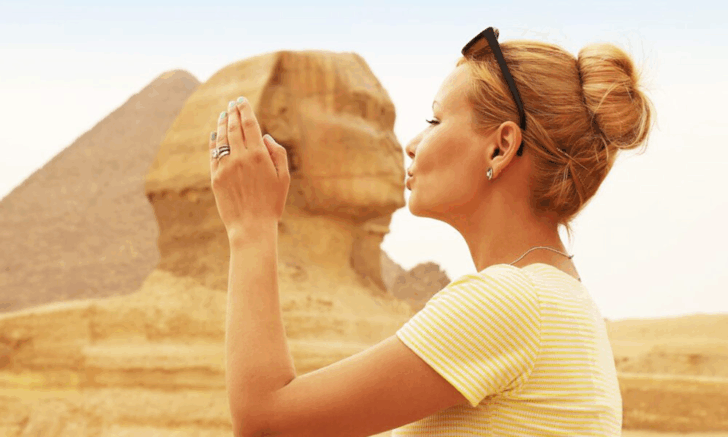
Yes, if your plans focus on the classic highlights (Cairo and the Pyramids, Nile Valley sites, Abu Simbel, and Red Sea resorts), Egypt offers a secure and memorable experience supported by strong infrastructure and visible protection.
Millions visited in 2025, setting new records, and the positive momentum continues into 2026.
Before You Travel – Essential Preparations:
Review the latest official advisories from your government.
Apply for your e-Visa well in advance.
Consider hiring a reputable travel agency; this not only enriches your experience but also acts as a helpful cultural and practical buffer.
Carry travel insurance that includes medical and trip disruption coverage.
Final Word
Egypt in 2026 combines timeless wonders with modern improvements in accessibility and security.
By staying within recommended areas, exercising normal vigilance, and embracing local customs, travelers can focus on what matters most: discovering the magic of the Land of the Sun in safety and comfort.
With realistic expectations and sensible preparation, Egypt remains a rewarding destination that continues to welcome visitors with its legendary hospitality.
Safe travels!
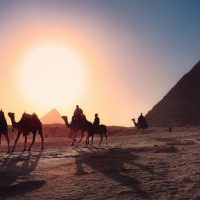
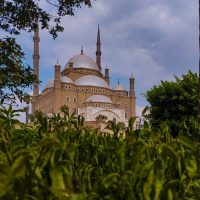












Walking around Cairo and the Pyramids with all the checkpoints and tourist police made me feel surprisingly secure despite the headlines about regional tensions.
I was a bit surprised by all the checkpoints and the tourist police around the Grand Egyptian Museum, but it definitely made me feel safer while walking through Cairo.
I was a bit surprised by how many checkpoints there were between cities, but honestly it made me feel safer exploring Cairo and the Red Sea resorts.
I was a bit surprised by how many checkpoints there were between cities, but honestly it made me feel pretty secure while visiting the Pyramids and cruising the Nile.