 Curacao : Safety by City
Curacao - safety as a country
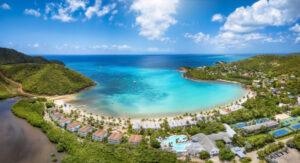
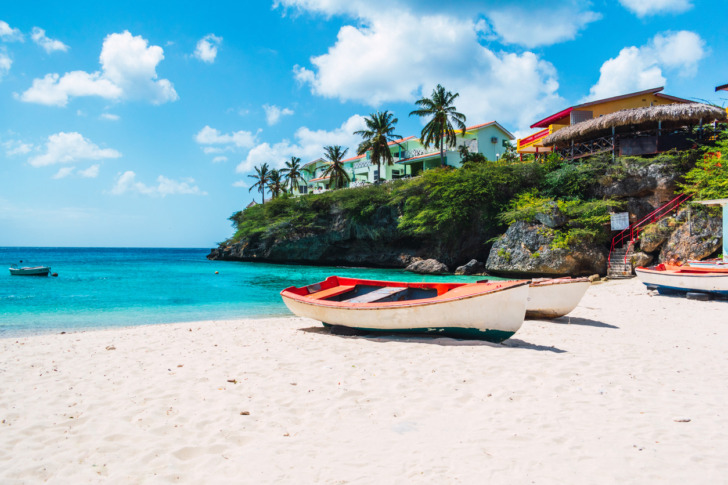
Blue Bay sits on Curaçao’s southwestern coast near the old fishing village of Sint Michiel, about fifteen minutes’ drive from the airport and a short hop northwest of Willemstad.
The island lies in the southern Caribbean, roughly 65 kilometers north of Venezuela, and belongs to the Kingdom of the Netherlands.
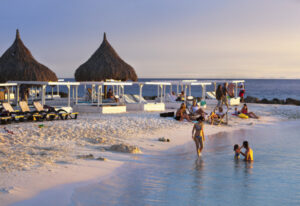
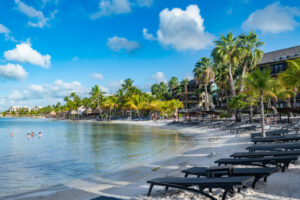
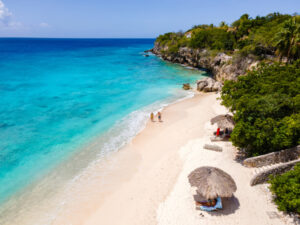
Blue Bay takes its name from a former plantation called Blaauw, and the setting is a sheltered, sandy cove edged by a shallow coral reef that makes snorkeling a treat.
Next door you’ll find an 18-hole golf course, a marina, a sculpture garden, and a self-contained resort complex.
It’s quieter and more manicured than the island’s party beaches, which is exactly why families and golfers love it.
But is it as safe as it looks?
I checked the official advisories and local reporting to find out.
Warnings & Dangers in Blue Bay

OVERALL RISK: LOW
Blue Bay is a calm, resort-style area, and Curaçao as a whole carries a "normal precautions" advisory from the US State Department. Violent crime against tourists is rare, and the resort grounds are managed and well kept. The real troubles are petty: thefts from parked cars and beach bags, plus sunburn. Lock up, stay aware, and you should be fine.

TRANSPORT & TAXIS RISK: MEDIUM
Blue Bay is a calm, resort-style area, and Curaçao as a whole carries a "normal precautions" advisory from the US State Department. Violent crime against tourists is rare, and the resort grounds are managed and well kept. The real troubles are petty: thefts from parked cars and beach bags, plus sunburn. Lock up, stay aware, and you should be fine.

PICKPOCKETS RISK: MEDIUM
Crowd pickpocketing is uncommon, but theft from beaches is the island's most typical tourist crime. Phones, wallets, and bags left on towels while you snorkel can disappear in minutes, and officials warn that thieves look for easy opportunities. Use a waterproof pouch, take advantage of resort lockers, and never leave valuables unattended on the sand.

NATURAL DISASTERS RISK: LOW
Curaçao sits south of the main Atlantic hurricane belt, so direct hits are very rare, although outer storm bands can bring rough seas and heavy rain. Drought, brief flash floods, and intense sun are the more regular hazards. Check forecasts during hurricane season, respect warning flags at beaches, and drink plenty of water in the heat.

MUGGING RISK: LOW
Armed robbery against tourists is uncommon, and the government has backed tougher sentences for crimes aimed at visitors. Canadian advice notes that violent crime does occur, though numbers stay low, and warns against unpopulated areas and unpatrolled beaches after dark. Blue Bay is quiet at night, so stick to lit resort areas, and hand over belongings if someone confronts you.

TERRORISM RISK: LOW
Armed robbery against tourists is uncommon, and the government has backed tougher sentences for crimes aimed at visitors. Canadian advice notes that violent crime does occur, though numbers stay low, and warns against unpopulated areas and unpatrolled beaches after dark. Blue Bay is quiet at night, so stick to lit resort areas, and hand over belongings if someone confronts you.

SCAMS RISK: LOW
Scams here are mild. US advice warns about strangers who befriend tourists in bars and on beaches, build trust over several days, then ask for money. Informal rental, excursion, and souvenir sellers can also be pushy. Book through reputable operators, keep friendly chats free of money talk, and compare prices before you pay anyone.

WOMEN TRAVELERS RISK: LOW
Scams here are mild. US advice warns about strangers who befriend tourists in bars and on beaches, build trust over several days, then ask for money. Informal rental, excursion, and souvenir sellers can also be pushy. Book through reputable operators, keep friendly chats free of money talk, and compare prices before you pay anyone.

TAP WATER RISK: LOW
Tap water in Curaçao is safe to drink. It is produced by desalinating seawater and treated to high standards, though it may taste slightly different from what you are used to. Most visitors refill their bottles straight from the tap without trouble. Bring a reusable bottle to cut plastic waste, and stay hydrated in the heat.
Safest Places to Visit in Blue Bay
Blue Bay Beach
The main beach is a sheltered, sandy cove with calm water and a shallow reef that is great for snorkeling and diving.
It is organized, with facilities and parking, and families feel comfortable here.
Stay within sight of staff and other swimmers, and keep your car empty.
The Blue Bay Resort Grounds
The resort complex has a private beach, a marina, restaurants, and pools, with staff and security on site.
If you want the lowest-effort, lowest-risk stay, this is it. Use the lockers and in-house restaurants after dark.
Blue Bay Golf Course and Sculpture Garden
The 18-hole oceanfront course and the nearby sculpture garden are well kept and quiet, ideal for daytime strolls and photos.
Visit in daylight, wear sun protection, and watch out for golf carts and stray balls.
Sint Michiel and the Nearby Coast
The old fishing village has local restaurants and a laid-back feel, and the coast beyond offers coves for snorkeling.
Go during the day, choose busy places to eat, and ask your host which beaches are staffed.
Punda and Pietermaai in Willemstad
The UNESCO-listed Punda district, with its Dutch-colonial facades, floating bridge, and market, and neighboring Pietermaai, with restored mansions and bars, are popular and well visited, even in the evening.
Stay on busy, lit streets after dark.
Places to Avoid in Blue Bay
Parked Rental Cars at Beaches and Viewpoints
This is the single most important warning for the area.
Break-ins happen at beach parking lots, scenic lookouts, and roadside pull-offs, often within minutes.
Never leave bags, cameras, passports, or phones visible, and don’t rely on a locked door.
Remote and Unpatrolled Beaches After Dark
Secluded coves look romantic at night, but there is no security, no lighting, and little help nearby.
Stay on organized beaches with staff, and leave before sunset if you are alone.
Unlit Roads and Empty Lots Around the Resort
Away from the main resort and golf area, side roads and undeveloped lots can be dark and deserted at night.
Park in lit areas, and take a taxi if you have been drinking.
Backstreets of Willemstad Away from Tourist Zones
The restored areas of Punda, Pietermaai, and Otrobanda are fine, but quiet backstreets outside them are best avoided late at night.
Keep to main roads and ask your host or hotel if you are unsure.
Rocky Entries and Reef Edges
The reef is lovely, but sharp coral, sea urchins, and currents beyond the sheltered bay can injure the unwary.
Wear water shoes, avoid touching or standing on coral, and don’t swim alone far from shore.
Safety Tips for Traveling to Blue Bay
- Leave nothing in the rental car. Break-ins are the island’s most common tourist crime. Take everything with you, empty the trunk, and park in lit, busy spots. Many locals even leave the glove box open to show thieves there is nothing inside.
- Protect your valuables at the beach. Use a waterproof pouch, a resort locker, or swim in shifts so someone always watches your belongings. Phones and wallets left on towels are an easy target.
- Agree on taxi fares first. Taxis are unmetered with set rates, so confirm the price before you leave. Ask your hotel or restaurant to call a licensed driver instead of flagging one down late at night.
- Plan your evenings. Blue Bay is quiet after dark, with few restaurants and little foot traffic. Arrange rides in advance, or eat at the resort, and avoid empty beaches and unlit side roads, especially if you are alone.
- Protect yourself from the sun. The Caribbean sun is intense year-round. Wear high SPF, reef-friendly sunscreen, a hat, and sunglasses, and drink plenty of water. Heat exhaustion is a more common problem than crime.
- Respect the reef and the sea. Wear water shoes to protect against sea urchins and coral, avoid touching marine life, check warning flags, and don’t swim after drinking. Snorkel with a buddy.
- Be cautious with overly friendly strangers. Anyone who befriends you at a bar or beach and then asks for money, a loan, or an advance payment is running a scam. Politely decline and walk away.
- Save emergency numbers. Call 911 for police and emergencies, and note the number of your accommodation and your country’s consulate in Willemstad. Politur, the tourist police, offers support around the clock.
- Never bring weapons or ammunition. It is illegal to bring guns, ammunition, or even spent shells into Curaçao, and offenders can face arrest. Check your bags carefully, especially if you also use them at home for hunting or sport.
- Buy travel insurance. A medical visit, a stolen phone, or a cancelled flight can cost far more than a policy. Make sure yours covers medical care, theft, and activities like snorkeling, diving, and golf.
So... How Safe Is Blue Bay Really?
The official picture is reassuring.
The US State Department rates Curaçao Level 1, exercise normal precautions, in an advisory issued in September 2026, and Canada likewise advises normal security precautions.
The State Department describes crime as moderate and says criminals look for easy opportunities to steal from tourists, while also noting that police are highly responsive to crimes against visitors.
However, response times can be longer in rural areas.
Its security office rates the Dutch Caribbean islands as medium-threat locations for crime, which is typical for the region.
Local reporting adds some useful context.
Curaçao’s press has described a sharp decline in murders in recent years, with attention shifting toward drug trafficking and financial crime rather than street violence.
Tourist complaints, meanwhile, are mostly about theft, which is why the government has said it supports harsher penalties for robberies and theft targeting visitors.
The island’s tourism board says Curaçao ranked among the safest Caribbean islands in the 2025 Caribbean Island Safety Index, but that is a promotional claim, so treat it as a data point rather than a guarantee.
Blue Bay itself has one extra quirk: it is quiet.
That is a plus for peace and a minus for help, since fewer people are around late at night.
I found no sign of a specific crime problem there, but I also found no detailed local crime statistics for the neighborhood, so I rely on island-wide data.
My verdict: Blue Bay is very safe for couples, families, golfers, and snorkelers.
The danger isn’t assault; it’s leaving a camera on the back seat.
Lock up, stay sun-smart, and you’re far more likely to go home sunburned than robbed.
How Does Blue Bay Compare?
| City | Safety Index |
|---|---|
| Blue Bay |
85 |
| Willemstad |
75 |
| Jan Thiel |
86 |
| Mambo Beach |
82 |
| Westpunt |
84 |
 Stavanger | 80 |
 Shenzhen | 64 |
 Bodden Town | 82 |
 Hillsboro | 73 |
 Palm Beach | 88 |
| Duluth | 78 |
Useful Information

Visas
Most visitors from the US, Canada, the UK, and the EU need no visa for short tourist stays. Your passport should be valid for the length of your stay, with a blank page for the entry stamp. Complete the online digital immigration card within 48 hours before arrival, carry proof of onward travel, and declare cash above roughly $10,000.

Currency
The official currency is the Caribbean guilder (Cg), which replaced the Netherlands Antillean guilder in 2025, but US dollars are widely accepted. Major credit cards work almost everywhere, and ATMs accept foreign bank cards. For the best exchange, withdraw cash at a bank ATM, pay in local currency when asked, and avoid airport exchange counters.

Weather
Curaçao is warm and dry year-round, with temperatures around 27 to 32°C and steady trade winds. Brief showers are most likely between October and January. Pack light cotton clothes, swimwear, a hat, reef-friendly sunscreen, water shoes for the reef, and a light rain jacket. Bring a sweater for air-conditioned restaurants and sneakers if you plan to golf.

Airports
Curaçao International Airport (Hato) is the island's only major airport, roughly a 15-minute drive from Blue Bay. Taxis charge set rates from the arrivals hall, many resorts offer paid shuttles, and rental cars are available on site. Most visitors rent a car because public transport to Blue Bay is limited. Confirm pickup options with your resort before you arrive.

Travel Insurance
I strongly recommend travel insurance for Curaçao. Healthcare is good but expensive for visitors, and a medical evacuation can cost tens of thousands of dollars. A policy also covers stolen phones, cancelled flights, and water-sports injuries. Compare options, check what counts as an excluded activity, and buy cover before you leave home.
Blue Bay Weather Averages (Temperatures)
Average High/Low Temperature
| Temperature / Month | Jan | Feb | Mar | Apr | May | Jun | Jul | Aug | Sep | Oct | Nov | Dec |
|---|---|---|---|---|---|---|---|---|---|---|---|---|
| High °C |
30 | 31 | 31 | 32 | 32 | 32 | 34 | 34 | 33 | 33 | 32 | 31 |
| Low °C |
24 | 24 | 25 | 26 | 26 | 27 | 27 | 27 | 27 | 26 | 26 | 25 |
| High °F |
86 | 88 | 88 | 90 | 90 | 90 | 93 | 93 | 91 | 91 | 90 | 88 |
| Low °F |
75 | 75 | 77 | 79 | 79 | 81 | 81 | 81 | 81 | 79 | 79 | 77 |
Curacao - Safety by City
| City | Safety Index |
|---|---|
| Blue Bay | 85 |
| Jan Thiel | 86 |
| Mambo Beach | 82 |
| Westpunt | 84 |
| Willemstad | 75 |