


Why Gaudí’s Barcelona Deserves a Safety-First Plan
Barcelona owes much of its architectural identity to Antoni Gaudí.
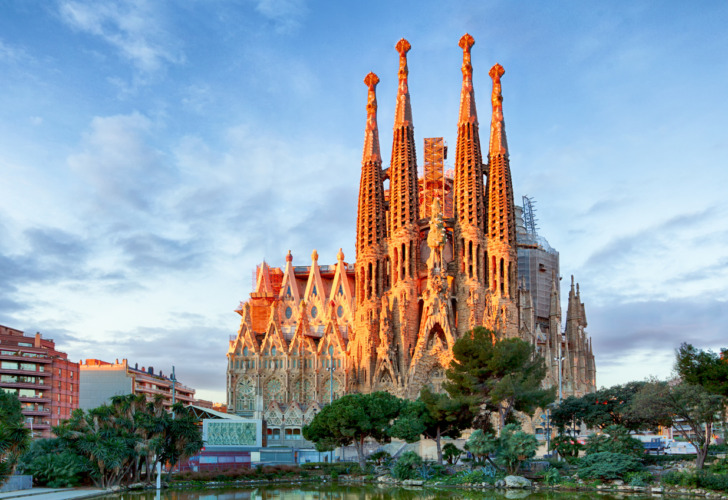
His work is bold, symbolic, and instantly recognizable, from the soaring towers of Sagrada Família to the tiled terraces of Park Güell and the flowing façades of Casa Batlló and Casa Milà.
For many first-time visitors, these landmarks are the main reason to build time in the city around architecture.
Their popularity also creates practical challenges.
Entrances, nearby metro stops, ticket queues, pavements, and photo areas can become crowded throughout the year, especially during weekends, holidays, and summer.
The sites are enjoyable and well established for tourism, but they are easier to experience with a clear plan.
A safe Gaudí-focused visit starts before arrival.
Ticket times, walking distances, transport options, weather, and crowd patterns all affect the day.
With sensible preparation, visitors can enjoy Barcelona’s most famous architecture without rushing, getting lost, or becoming distracted in busy areas.
Start With the Main Gaudí Landmarks
The safest way to explore Gaudí’s Barcelona is to understand where the major sites are located and how much time each one requires.
Sagrada Família is usually the centerpiece.
It attracts large crowds inside and outside, so timed entry, pre-booked tickets, and a clear onward route are essential.
Casa Batlló and Casa Milà sit on Passeig de Gràcia, one of the city’s busiest and most elegant avenues.
The wide streets make navigation easier than in older parts of Barcelona, but the area still draws heavy foot traffic.
People often stop suddenly to take photos, check maps, or look up at the façades, which can make bags and phones easier to overlook.
Casa Vicens, in Gràcia, offers a calmer Gaudí experience.
It feels more residential and less overwhelming than the best-known sites.
Park Güell needs extra preparation because it sits above the center and involves hills, timed access, outdoor walking, and limited shade in warmer months.
Anyone visiting with children, older relatives, or mobility concerns should check the route before leaving.
For those who want a structured way to connect the architecture, timing, and movement between sites, Barcelona Gaudí tours can make the day easier to manage.
A guided format can reduce route confusion, add useful context, and limit the need to keep checking maps in crowded places.
Plan Your Route Before You Leave
Gaudí’s landmarks are spread across several parts of Barcelona, so an unplanned route can lead to avoidable backtracking.
Some sites combine easily, while others require a metro ride, taxi, bus, or longer walk.
A practical route could begin at Sagrada Família in the morning, continue to Passeig de Gràcia for Casa Batlló and Casa Milà, then move toward Gràcia or Park Güell later in the day.
Another option is to spend one day on Sagrada Família and the Eixample landmarks, then save Park Güell and Casa Vicens for a slower visit.
Route planning also supports personal safety.
People who know where they are going are less likely to stand at street corners with phones exposed, look distracted in metro stations, or rush through unfamiliar streets.
Download offline maps, save ticket confirmations, and check transport connections before leaving accommodation.
On public transport, pay attention near station entrances, escalators, and platforms close to major tourist stops.
Crowded carriages create opportunities for pickpockets.
Keep bags closed, phones secure, and wallets out of back pockets.
Choose the Safest Times to Visit Busy Sites
Timing can change the whole experience.
Early morning is often the most comfortable choice for major landmarks because streets are calmer, temperatures are lower, and entry areas tend to feel more manageable.
Late afternoon can be pleasant for photography, although crowds may build around sunset at scenic places such as Park Güell.
Midday is often the most tiring period, especially in summer.
Heat, queues, bright sun, and packed pavements can reduce focus.
When people feel uncomfortable or rushed, they are more likely to misplace belongings, forget ticket details, or make poor transport choices.
Sagrada Família works best with a timed ticket and a sensible buffer before entry.
Arriving late creates stress, while arriving far too early may mean waiting in a crowded area with bags and valuables.
Park Güell also benefits from careful scheduling because the visit includes walking, uneven surfaces, and sun exposure.
Avoid forcing too many Gaudí sites into one day.
A slower route is usually safer and more enjoyable because it leaves time to rest, check directions calmly, and appreciate the details that make the architecture memorable.
Stay Alert Around Crowds, Queues, and Photo Spots
The busiest Gaudí sites are easy to enjoy, but dense crowds require attention.
The areas outside Sagrada Família, Casa Batlló, Casa Milà, and Park Güell are full of people taking photos, checking tickets, searching for directions, and waiting for companions.
These moments create natural distractions.
Pickpocketing and distraction theft are common concerns in Barcelona’s tourist areas.
Before visiting crowded landmarks, review general street crime and travel safety advice and apply the same habits throughout the day.
Keep bags zipped and in front of the body, avoid placing phones or wallets on café tables, and never leave belongings unattended while taking pictures.
Photo spots need particular care.
It is easy to step backward into traffic, block the pavement, or hand a phone to a stranger without thinking.
Take pictures from safe standing areas, avoid displaying large amounts of cash, and be cautious if someone becomes unusually insistent about helping.
Queues can also reduce awareness.
Keep tickets ready, but do not leave your phone unlocked in your hand longer than needed.
Groups should agree on a meeting point in case someone gets separated, especially around large sites with multiple exits and busy surrounding streets.
Move Between Gaudí Areas With Confidence
Exploring Gaudí’s work means moving through different parts of the city.
The Eixample, where Sagrada Família, Casa Batlló, and Casa Milà are located, has a grid layout that is usually simple to follow.
Wide avenues, visible crossings, and frequent transport links make it one of the easier districts to navigate during the day.
Gràcia has a more local feel, with smaller streets, plazas, cafés, and a slower pace.
It is worth visiting for Casa Vicens and for a different view of Barcelona beyond the most photographed avenues.
Since the street pattern is less regular than the Eixample grid, check directions before walking too far.
Park Güell requires a more practical approach.
Depending on the route, reaching it may involve hills, stairs, escalators, buses, or a taxi.
Comfortable shoes are important, especially if arriving from a nearby metro station.
In warm months, carry water and avoid leaving without knowing how you will return.
Taxis and ride-hailing services can be useful between distant sites, especially after a long day.
Public transport is efficient, but keep your bag closed on crowded metro lines and buses.
Avoid standing near doors with a loose phone or open backpack.
Keep Belongings Secure While Sightseeing
A safe Gaudí itinerary depends on simple habits.
Carry only what you need for the day, and leave spare cards, extra cash, and important documents in a secure place.
A crossbody bag worn in front is usually safer than a loose backpack in crowded areas.
Phones need special care because they hold maps, tickets, photos, translations, and transport information.
Avoid walking with a phone loosely held near the street side of the pavement.
When checking directions, step aside, keep the device close, and stay aware of bicycles, scooters, and passing crowds.
At cafés near major landmarks, do not hang bags from chair backs or leave phones on tables.
Busy tourist areas often attract people looking for easy opportunities.
Keep belongings on your lap, between your feet, or attached securely.
Document planning matters too.
A passport may not be necessary for every outing, but some form of identification can be useful.
Store digital copies of key documents in case something is lost.
The aim is to enjoy the architecture without letting one careless moment disrupt the trip.
Think Beyond the Landmark Entrance
Safety around Gaudí sites also includes comfort, health, timing, and realistic pacing.
Many people underestimate how much walking a Gaudí-focused day involves.
Even when sites are connected by transport, there is still time spent standing, climbing stairs, waiting, and moving through crowds.
Footwear can affect the entire day.
Comfortable shoes are especially important for Park Güell, Gràcia, and long walks along Passeig de Gràcia.
In summer, sun protection and water should be part of the plan.
Outdoor areas can feel intense during the hottest hours, and fatigue can lead to poor decisions.
Book tickets through reliable channels and check entry rules before arriving.
Some sites have timed access, security checks, or restrictions on large bags.
Knowing these details in advance prevents stressful last-minute choices.
Breaks are also part of safe planning.
Instead of rushing from one landmark to another, choose a café or shaded plaza away from the busiest entrance areas.
A short pause gives you time to check belongings, review the next route, and continue with more focus.
Combine Gaudí Sightseeing With Wider Barcelona Awareness
Gaudí’s landmarks sit within a larger city, so architectural planning should include basic awareness of Barcelona’s travel environment.
The same habits that help around Sagrada Família or Park Güell also apply in metro stations, central streets, markets, beaches, and nightlife areas.
Learn the basic city layout before moving between sites.
Eixample, Gràcia, the Gothic Quarter, El Born, and Montjuïc each feel different, and the atmosphere can change after dark.
Knowing where a route leads helps avoid unnecessary wandering.
For a wider picture of city precautions, review practical Barcelona travel safety tips before building a Gaudí-focused itinerary.
This can help with common concerns such as petty theft, crowded public transport, nightlife awareness, and movement through popular districts.
Adjust the route to match the group.
Solo visitors may prefer daytime plans and central transport links.
Families may need shorter walking segments and more breaks.
Older visitors may want to reduce hill-heavy routes.
First-timers are often better served by a simple itinerary rather than trying to see every landmark in one day.
Enjoy Gaudí’s Barcelona With Confidence
Gaudí’s Barcelona is one of Spain’s most rewarding cultural experiences.
Sagrada Família, Park Güell, Casa Batlló, Casa Milà, and Casa Vicens each show a different side of the architect’s imagination, from religious symbolism to playful color, organic shapes, and inventive structural detail.
The safest approach is simple: book important tickets in advance, choose realistic routes, stay alert in crowded places, protect valuables, and leave enough time between sites.
A calm pace makes it easier to notice the details that define Gaudí’s work while avoiding the stress of rushing through unfamiliar streets.
With smart planning and steady awareness, visitors can explore Barcelona’s Gaudí landmarks comfortably and confidently, keeping their attention where it belongs: on the architecture, the city, and the experience itself.
Additional Resources
 Study Abroad Safely: Tips for Students Traveling for Education
 Uncovering Berlin’s Unique Culture: Fun and Safe Ways to Explore the City
 Travel Abroad Safely: Practical Digital Security Tips For Confident Trips
 Best Beaches in Barcelona
 Winter Travel Safety: Staying Warm, Smart, and Well-Hosted
 These Are the 5 Safest Cities for Travelers











