


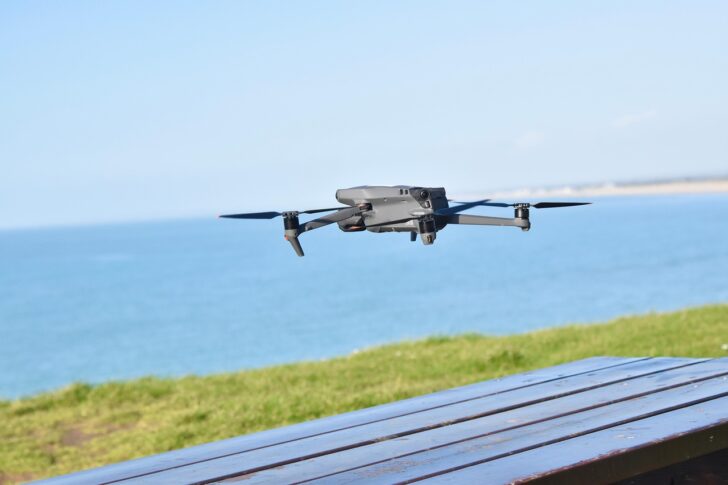
There’s a unique kind of magic in standing on a high ridge, drone in hand, with the wind teasing your jacket and the landscape opening up in every direction.
If you’re someone who hikes not just for the view but to tell a story with your lens, trekking with a drone can turn an ordinary trail into cinematic gold.
But with great aerial perspective comes great responsibility.
Not Just a Toy: Treat Your Drone Like Gear, Not a Gadget
The first step to responsible drone trekking is to treat your drone like you would your GPS, water filter, or boots — essential gear, not entertainment.
That means understanding its limits, practicing proper flight techniques before you’re on the side of a mountain, and, most importantly, checking the drone laws of the region you’re heading into.
National parks, heritage sites, and certain nature reserves often have strict no-fly zones, and breaking those rules isn’t just inconsiderate; it can get you fined or banned.
Use apps like Drone Assist or AirMap to check flight permissions in advance.
Think of it like scouting a trail: you wouldn’t start a 30km hike without researching the terrain first, right?
Timing is Everything: Plan Your Shots Before the Trek
You don’t want to be fiddling with settings while your group is halfway up a ridge.
If you’re planning to capture sunrise light hitting that glacier-fed lake, plan for it.
Sketch a rough shot list in advance.
Even better, make a To-do list and set reminders to stay on top of your trek day activities without missing those golden-hour moments.
Include things like “change ND filter before ascent” or “scout wind exposure at the summit” — practical cues that save time when the conditions get tricky.
Pack Smart: Protect Your Drone and Yourself
Drones aren’t designed to bounce off granite.
Invest in a compact, padded drone case that fits neatly into your backpack.
Avoid bulky hard cases unless you’re on a short day hike — every gram matters when you’re carrying gear up 1,000m.
Also, bring extra propellers, batteries, and a microfiber cloth.
Cold weather drains power fast, so keep batteries close to your body.
Oh — and always carry a fireproof bag for lithium batteries.
Most trekkers don’t think about that… until they smell something burning.
Silence and Solitude: Respect Nature’s Soundtrack
Let’s be honest: drones are loud.
That crisp alpine silence, the rustling leaves, the distant sound of water — your buzzing quadcopter cuts through all of that.
So don’t overstay your flight.
Take your shots, then land it.
And please, don’t fly over other hikers.
It’s not just about politeness — in remote places, silence is part of the experience.
Be invisible when you film, as much as possible.
Edit with Intention, Not Excess
Back home, don’t fall into the trap of using every second of footage.
A sweeping shot of a mist-covered valley loses impact when it’s followed by shaky takeoff clips or five minutes of sky.
Choose moments that reflect the spirit of your trek, not just the spectacle.
The best drone footage feels like it was earned, not just captured.
In the end, drone trekking isn’t about showing off where you’ve been — it’s about honoring the places that allowed you to pass through.
Use your camera to celebrate the wild, not disrupt it.
Let your lens follow in your footsteps — lightly, thoughtfully, and always with respect.
Additional Resources
 Canada Trekking Guide: Overview & Tips
 4 Tips for Traveling Responsibly as a Smoker
 9 Stunning Photography Spots in Southeast Asia
 Manaslu Circuit Trek: A Complete Guide to Nepal’s Hidden Himalayan Gem
 Catch the Perfect Shot: Bird Watching Across Canada with Jackery
 9 Stunning Ryokans in Kyoto You Need to Visit












Isn’t it wild that something so advanced like a drone can really highlight the beauty of hiking? I can’t imagine the thrill of capturing those epic views, but I guess it’s a whole other level of planning too! Who knew packing for a hike could include fireproof bags and propellers? Definitely gives a new twist to my next adventure!