


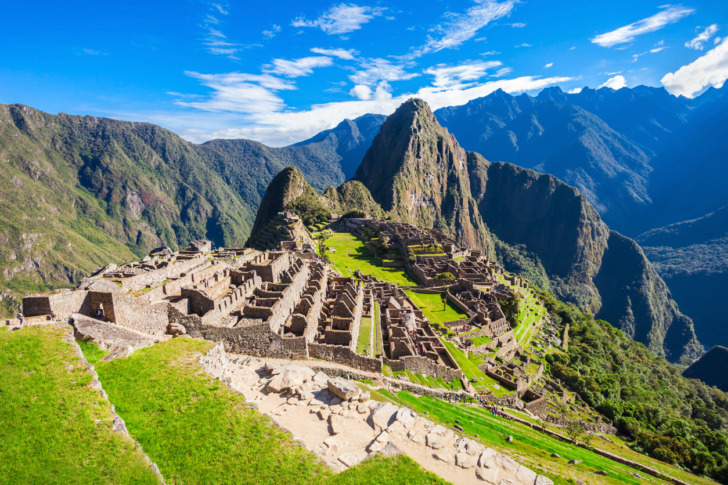
A trip to Machu Picchu asks more of a traveller than most people expect before they arrive.
Altitude, permits, weather and terrain all affect how the visit unfolds, and problems in any one of these areas can shape the whole trip.
This guide sets out what to know before visiting Machu Picchu, covering safety conditions, altitude effects, booking logistics and packing decisions, for anyone planning a first visit or organising the details of a return trip.
Safety Conditions at Machu Picchu
The terrain is steep in places, some paths are uneven, and rushing or wearing unsuitable shoes raises the chance of a slip or a twisted ankle.
Access to certain areas is restricted, and all visitors are required to stay on marked trails.
Staff have removed groups from the site after they ignored posted signs and wandered into closed sections.
Managing Crowds and Belongings
Crowds build at popular viewpoints such as the Guardhouse and the Sun Gate, particularly around mid-morning.
A registered guide can help visitors move through these points without missing announcements or straying into restricted zones.
On the journey itself, keeping bags close and valuables out of sight on trains and in Cusco and Aguas Calientes, the town below the ruins, remains a sound precaution.
Altitude and How It Affects a Visit
Cusco sits at approximately 11,150 feet above sea level, considerably higher than Machu Picchu itself, which sits at around 7,970 feet.
Most travellers feel the effects of altitude in Cusco before they reach the ruins, not at the site.
Recognising the Symptoms
Altitude sickness can affect anyone, regardless of age or fitness.
Symptoms typically include headache, tiredness, nausea or disrupted sleep, and usually appear within the first 24 hours.
Resting for a day or two is often enough.
If symptoms worsen rather than ease, moving to a lower elevation is the safer option.
Preparing the Body Before Departure
Spending two nights in Cusco before travelling on to Machu Picchu gives the body time to adjust.
Regular hydration, simple food, and avoiding alcohol in the first days all support that process.
Children and older adults can react to altitude more quickly, and trip designers at Machu Travel Peru build acclimatisation days into itineraries for exactly this reason, spacing out Cusco time before any strenuous activity begins.
Permits and Booking Steps to Complete in Advance
Machu Picchu operates on timed entry, with a daily cap on visitor numbers and set morning or afternoon windows.
Arriving outside the window printed on the ticket can mean being turned away at the gate.
Entry Tickets and Trail Permits
Permits sell out during peak months, and Inca Trail permits go faster still, with popular dates unavailable weeks or months in advance.
Travellers who want to hike are best placing that booking early.
All Machu Picchu permits are sold online in advance, and there is no option to buy entry at the gate.
Some travellers have arrived in Aguas Calientes to find no slots available for several days.
Trains and Transfers to Aguas Calientes
Reaching the site itself involves a train to Aguas Calientes, run by one of two companies operating the route from Cusco or Ollantaytambo, followed by a shuttle bus up to the entrance.
Train seats fill quickly in peak season, and last-minute fares can run considerably higher than tickets booked ahead.
Because of this, many people choose Peru tour packages that bundle permits, train tickets and transfers together, which removes the risk of one booking falling out of step with another.
Weather Patterns and What to Pack
The dry season runs from May to October and brings the most settled weather and the largest crowds, particularly in July and August.
The wet season runs from November to April, with regular rain, and the Inca Trail closes each February for maintenance.
Choosing Between the Dry and Wet Seasons
Travelling in the wet season remains a reasonable option for those prepared for it.
Crowds are smaller, last-minute permits and train tickets are easier to find, and hotel rooms in Aguas Calientes are more available and sometimes cheaper.
Rain does bring cloud cover to the main viewpoints, so setting expectations around visibility helps.
Packing for the Site
Layers work well in any season, since temperatures shift between sun and shade, and a lightweight rain jacket and sun protection cover most conditions at this elevation.
Sturdy, closed-toe shoes with good tread suit the stone paths, especially in wet weather.
Large bags are not permitted inside the site and must be left in Aguas Calientes, so carrying only what is needed for the day makes moving around easier.
Some Peru tour packages are timed around the shoulder season, in late April or early May, when weather has begun to settle, but the heaviest crowds have not yet arrived.
Machu Picchu rewards preparation more than most destinations of comparable scale.
Travellers who understand the altitude, safety conditions, and booking timelines in advance are far more likely to spend their days at the site itself rather than adjust plans once they have already arrived.
Additional Resources
 Antarctic Peninsula Travel Guide – Safety Tips, Best Time to Go, and What to Expect
 Planning Your Trip Abroad? Here’s What You Should Know
 Going to Yorkshire? Read These Safety Tips First
 Money Safety Tips When You Travel To Baguio City, Philippines
 10 Low-Tech Travel Safety Tips That Still Work in 2025
 25 Travel Safety Tips












I didn’t expect the altitude would hit me so hard in Cusco, but resting those first couple of days really made exploring Machu Picchu itself way more enjoyable.