


Travel in 2025 is smarter, faster, and more connected than ever—but sometimes, the best safety tools don’t need a Wi-Fi signal or an app update.
Whether you’re backpacking through Europe or flying in for a short city break, keeping things simple can still be your smartest move.
While modern tools like GPS tracking and real-time translation apps are helpful, low-tech travel safety tips continue to prove their worth, especially in destinations where digital infrastructure is weak or unreliable.
Whether you’re passing time in a hotel room or navigating an unfamiliar street, combining digital conveniences with old-school strategies makes for a safer, smarter journey.
For example, if you’re looking for a safe way to relax while waiting out bad weather or avoiding an unsafe neighborhood after dark, platforms like Highroller, the trustworthy and transparent gaming partner, offer a casual and reliable entertainment option from the comfort of your accommodation.
Here are 10 timeless travel safety tips that don’t require a charger, a signal, or a data plan.
1. Carry a Decoy Wallet
A well-known tip for travelers heading into high-risk or unfamiliar areas: carry a second, low-value wallet with expired cards, a small amount of local coins, and perhaps an old ID.
In the event of a theft or mugging, this can be handed over, while your real valuables remain hidden in a money belt or tucked away under clothing.
2. Write Down Emergency Contacts
In 2025, most people store all their contacts digitally—but phones can be stolen, lost, or simply run out of battery.
Always carry a small, waterproof card with local emergency numbers (police, ambulance, embassy), along with a trusted contact back home.
This card should stay on your person at all times.
Tip: Include key phrases written in the local language to help communicate in emergencies.
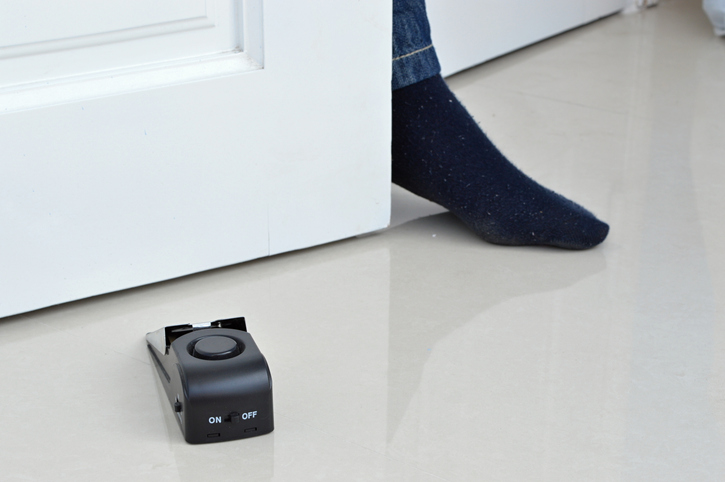
3. Use a Doorstop Alarm or Jammer
Hotel security varies greatly around the world.
A simple rubber doorstop or portable door jammer can instantly add a layer of protection in your room, especially when locks seem flimsy.
Some models include a motion-sensitive alarm—still battery-powered and low-tech enough to work without relying on smart home systems.
4. Map Out Your Route Before Leaving Wi-Fi
Navigation apps are excellent, but battery drain or data restrictions can leave you stranded.
Always memorize or draw your route before heading out, including key intersections, bus stops, and landmarks.
Even a simple sketch can help you reorient quickly without relying on your phone.
5. Use a Luggage Lock—Even on Day Bags
Luggage locks aren’t just for checked suitcases.
Use small combination locks on backpacks, zippers, or day bags when exploring crowded markets, public transport, or overnight trains.
It won’t stop a determined thief, but it will slow them down and deter quick grabs.
According to Safe Travel USA, theft from tourists in busy areas remains one of the most common risks worldwide.
Basic deterrents like locks can make a big difference.
6. Split and Hide Your Coins
Don’t keep all your coins in one place.
Whether it’s in your shoe, a hidden pocket, or under the sole of your daypack, splitting your coin stash across multiple spots reduces the risk of losing everything at once.
Especially helpful if you’re traveling through regions with unreliable card systems or power outages.
7. Avoid Over-Sharing Travel Plans Publicly
While it may be tempting to post your location in real time, it’s smarter to delay social updates until after you’ve left a location.
This applies not just online, but in casual conversations too.
Avoid telling strangers where you’re staying or your next move, especially if you’re traveling solo.
8. Bring Printed Copies of Documents
Keep printed copies of your passport, visa, travel insurance, and ID in a separate bag from your originals.
In case of loss or theft, having paper backups makes the process of reporting, replacing, or verifying your identity faster and less stressful.
Bonus tip: Keep a passport-sized photo in case you need one for local permits or emergency paperwork.
9. Stick to Well-Lit, High-Traffic Routes at Night
If you’re walking after dark, stick to main roads, tourist-friendly areas, or well-lit zones.
Even if your destination is slightly farther, choosing populated routes reduces the risk of becoming a target.
Avoid shortcuts, alleys, or quiet parks when possible.
10. Learn a Few Local Safety Phrases
Language barriers can complicate already stressful situations.
Before your trip, memorize or write down a few local phrases like:
- “Help me.”
- “Where is the nearest police station?”
- “I’ve lost my bag.”
- “I don’t speak the language.”
These can be life-savers in situations where translation apps aren’t an option.


















It’s surprising how some of these simple, low-tech tips can still make such a difference today. Carrying a decoy wallet and writing down emergency numbers feels like a smart throwback that many travelers overlook. It’s a good reminder that sometimes, the classics are just as effective as any high-tech gadget.
Have you ever had to rely on one of these low-tech tips while traveling? It’s interesting to think about how something so simple can make a real difference in tough situations.
Oh, great. Let me just find my trusty abacus while I dust off the ol’ roadmap. Who needs modern technology when we’ve got decoy wallets and shoe coins to save the day?
I always carry a decoy wallet with some old cards and coins just in case, and it gave me peace of mind walking through busy markets last month.