


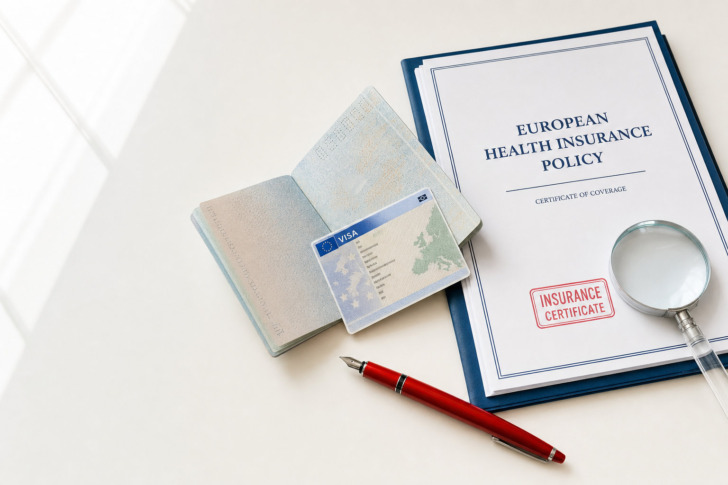
Many countries require travelers to prove they have comprehensive health cover before granting a visa for entry or extended stays. Having the right insurance safeguards both visitors and local healthcare systems. Understanding these requirements can help make the visa application process smoother and more secure for different types of travelers.
Countries impose strict insurance requirements as part of their visa systems to protect public resources and ensure foreign visitors are not left vulnerable to unforeseen health expenses.
These requirements often form a key part of broader travel safety strategies.
Private Health Insurance in Spain with Pre-Existing Conditions is a common concern for travelers navigating these rules, as coverage specifics frequently impact both short and long-term travel plans.
Clear knowledge of the relevant expectations helps travelers avoid common pitfalls and prepare the right supporting documents for their visa application.
Understanding which travelers must prove insurance
Visa insurance requirements do not apply equally to every visitor and can differ based on the purpose and duration of your stay.
Short-term tourists may need to show proof of health insurance, especially for Schengen or similar visa zones, but these requirements become more stringent for those seeking long-term stays.
If you are a student, retiree, or remote worker planning to live abroad for several months or more, authorities typically expect a more robust level of private health insurance.
Family members joining residents, and applicants for reunification visas, also often face comprehensive coverage expectations.
Meeting these requirements is essential for approval and continued legal residency.
The process can be more demanding if you plan to participate in activities like study, remote work, or retirement in a country with public health system restrictions for foreigners.
In these cases, proof of suitable private health insurance becomes an integral part of travel and settlement planning.
You need to be aware that some destinations update requirements over time based on policy or local healthcare system needs.
Key facts about common visa insurance rules
Visa officers and consulates frequently require insurance policies to meet specific coverage minimums, which may be stated in euros or the local currency.
These amounts are intended to ensure that your policy covers basic medical needs, hospital stays, and emergency treatments without imposing costs on public systems.
Your policy must usually remain valid for the entire anticipated stay, not just your arrival period.
Documents must clearly show matching dates to your intended entry and exit, and specify the geographic territory covered.
Some countries insist that private health insurance policies apply across their territories or within a broader region covered by their visa agreements.
Deductibles and co-pays are additional aspects authorities examine.
Some visas require that your policy features low or no deductibles to prevent unexpected out-of-pocket expenses.
Exclusions can also lead to quick rejections, particularly if your plan omits common treatments or leaves pre-existing conditions uncovered.
While coverage terms and amounts differ, more information about the private health insurance in Spain often leads to a better understanding of the minimum insurance thresholds.
It is common for policies to be rejected for having insufficient benefits or restrictive terms that do not satisfy the rules printed in visa guidelines.
Essential inclusions for compliant insurance policies
Compliant insurance policies generally require both emergency and routine non-emergency care as part of their terms.
Hospitalization, specialist appointments, and general practitioner visits are usually included to align with the minimum mandatory cover expected by immigration authorities.
Medical evacuation or repatriation back to your home country can be a crucial requirement, especially for long-term or high-risk stays.
This ensures that costly transport and support are factored into your insurance benefits should the need arise during your trip or extended stay.
To support your application, you should be ready to provide official documents such as a certificate of insurance, a detailed policy schedule, and proof that your policy has been paid in full.
These documents must accurately show your name, policy number, coverage dates, and all required information in accordance with official visa advice and consular requests.
Pitfalls, policy selection, and special regional factors
Visa rejections and delays often stem from preventable details.
If your insurance policy starts after your arrival date or lapses before your scheduled departure, officials may refuse your application.
Limited travel-only plans sometimes fail to provide essential long-stay protections, making them unsuitable for student, retiree, or family reunion visas.
Mismatched personal details, incomplete certificates, or policies that exclude necessary benefits are typical reasons for administrative hold-ups.
Exclusions for pre-existing conditions or lengthy waiting periods can also conflict with what the visa requires, creating last-minute complications.
Choosing insurance means comparing benefits to your travel plans and individual health profile.
Long-term stays require a different approach from short holidays, and special activities or medical conditions may require tailored coverage.
Understanding how applications and medical questionnaires work will prevent buying insurance that is either too expensive or insufficient for visa approval.
Regional variations apply, especially within European destinations.
Consulates may apply distinct interpretations depending on local policy or visa type, so keeping every document consistent and up-to-date across all application materials is crucial.
Staying organized reduces the risk of administrative issues or unexpected requests for clarification.
A thorough checklist can help you stay compliant and secure.
Before departure, always check your policy’s coverage limits, dates, and territorial validity to match the official visa requirements.
Keep both digital and printed copies of all crucial documents, and have a plan if you need to extend, update, or change your policy during your stay.
Meeting private health insurance requirements for a visa goes beyond legal compliance; it serves as an important safety net for travelers abroad.
Understanding and fulfilling these obligations ensures you can focus on your experience with confidence that you are well-protected, whatever your reason for travel may be.
Additional Resources
 Why Travel Insurance Matters | Protecting Your Trip, Health, and Budget
 The Importance of Nomad Travel Insurance and Popular Worldwide Remote Work Destinations
 Find Out if You Need a Visa to Travel to Cuba
 Spousal Visa Pathways for Partners of Australian Citizens
 Pay-Per-Mile Car Insurance: Is It Worth It?
 Third Party Car Insurance for Travelers: What You Must Know Before Driving Abroad












I was relieved to find out my health insurance covered everything from hospital stays to medical evacuation, which made the visa process way less stressful.
I had to triple-check my insurance dates and coverage limits to make sure everything matched the visa requirements, otherwise they wouldn’t even accept my application.
I had to dig through a ton of paperwork just to prove my insurance covered all the required stuff for my visa and make sure the dates lined up exactly.