


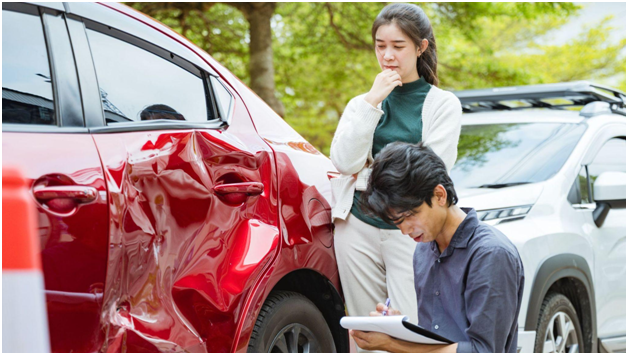
Third-party car insurance is a credible way of safeguarding any person who is planning to visit another country and drive there.
It protects the individual from financial liability in case the vehicle causes injury or loss of property while travelling.
This kind of insurance is a legal requirement, making it mandatory before a person commences their journey.
Having a clear understanding of policy functions ensures that you are compliant and helps you to manage any unforeseen situations during international trips.
Let us understand some detailed insights into third-party car insurance:
An Overview of a Third-Party Car Insurance
This car insurance is responsible for covering damage or injury that is caused to another person or their property by your vehicle during an accident.
It encompasses compensation for permanent disability, serious injuries, or even death.
However, it does not provide coverage for damage done to your own car.
Having this car insurance is mandatory in India, as stated by the Motor Vehicles Act, 1988.
Driving without it can result in heavy fines being imposed on you.
You can either go for a standalone damage cover or choose comprehensive car insurance.
The latter offers you complete protection by providing coverage for both third-party liabilities and your car’s damages.
How Does Third-Party Car Insurance Work?
While you are buying a new car or even when you have an existing car, you must purchase the third-party insurance cover.
Once you have bought the cover, it covers your financial liabilities against third parties.
In case there is an accident where a third party, i.e., a person other than you, suffers any financial damage, the insurance would compensate the person for their loss.
The coverage works in the following situations:
- An individual has been physically injured due to the car.
- An injured person dies in an accident that involves your car.
- Your car is responsible for damaging a third-party property.
In any of these cases, you are required to inform the insurance company of the claim.
They will handle your financial liability and compensate the third party according to the financial loss that they have suffered.
Some of the top providers, like HDFC ERGO, ensure that you receive adequate motor insurance support, especially if you are a driving enthusiast.
Coverage Limitations of Third-Party Insurance
Let us have a look at what is not covered by this type of mandatory car insurance:
- Contractual Liabilities: Contractual liabilities are not covered by third-party car insurance.
- War and Nuclear Risks: Any damage to a third-party person or property caused by nuclear risks or war is not covered.
- Car Racing: If your car has been involved in speed testing, organised racing, etc., it will not receive liability coverage.
Who Should Buy a Third-Party Car Insurance Policy?
Ideally, every car owner should have third-party Motor Vehicles Act insurance.
Let us have a look at the cases where the third-party car insurance is suited well:
- For vehicle owners whose vehicles are mostly parked and generally do not move out.
- It is also suitable for very old cars, such as vintage cars.
Documents Required to File a Third-Party Claim
Preparing the required paperwork is an important part of claiming third-party car insurance after an accident takes place.
Here are the necessary documents you will need to file a third-party claim:
- The duly filed and signed claim form.
- A copy of the car insurance policy.
- FIR copy that has been registered with the local police.
- Copy of the car’s Registration Certificate (RC).
- A copy of your driving licence (DL).
- Evidence of the incident/damage inflicted, if applicable.
- Copy of the at-fault’s car insurance.
- Additional documentation, if required.
Steps To Claim Third-Party Insurance Online
Given below are the steps you need to follow while claiming for third-party car insurance:
File an FIR and Obtain the Charge Sheet –
An FIR has to be filed at the nearest police station, and a charge sheet needs to be collected.
Collect the Insurer Details of the Vehicle Owner –
In this step, collect the third-party car insurance details of the vehicle owner.
Secure a Copy of the Police Charge Sheet –
Take a copy of the charge sheet that has been filed by the police against the car owner.
Submit a Compensation Claim to the Motor Accident Claims Tribunal –
A compensation claim case has to be filed in the Motor Accident Claims Tribunal.
This claim is to be filed in the tribunal court of the area where the incident has occurred or in the area where the claimant resides.
Final Thoughts
Securing a third-party car insurance is a major responsibility for anyone who plans to drive abroad.
It protects you from unexpected legal complications arising from accidental harm to others.
As a policyholder, it is important to understand the coverage provided, the documents required, and the accurate procedure for claiming the insurance.
Additional Resources
 Pay-Per-Mile Car Insurance: Is It Worth It?
 The Importance of Nomad Travel Insurance and Popular Worldwide Remote Work Destinations
 Why Travel Insurance Matters | Protecting Your Trip, Health, and Budget
 Keeping Your Money Safe Abroad
 Travel Insurance for Students – Here’s What You Need to Know
 Safe Travels and Smooth Finances: Managing Your Finances and Taxes While Living Abroad












Seems like driving abroad requires more than just good GPS skills! Who knew car insurance could be such a buzzkill? At least now I feel a bit more prepared for the paperwork marathon if things go south!