



Spain is a diverse destination.
Yes, the beaches are beautiful, but focusing solely on sunbeds and sangria overlooks the true essence of the country.
The real appeal lies in contrast: Moorish palaces next to Gothic cathedrals, cutting-edge architecture a train ride away from medieval towns, and food scenes that range from humble tapas bars to Michelin-starred kitchens.
If you’re looking for Spain travel inspiration that actually helps you decide where to go, not just what looks good on Instagram, this guide breaks down the best places to visit in Spain with a bit more nuance.
Think of it as a Spain travel guide for choosing the right mix of cities, coast, and quieter corners.
Cities That Define Spain’s Identity
Let’s start with the obvious picks, but with a practical angle.
In Barcelona, the draw goes far beyond the usual postcard shots.
Yes, Sagrada Familia is worth it, but only if you book ahead and go early.
What people often overlook is how walkable the city is.
You can move between neighborhoods easily, combining culture, food, and seaside views in a single day.
Barcelona works great when you slow down and is probably the best place to visit in Spain.
Madrid rewards a different approach.
It’s less about ticking off landmarks and more about atmosphere.
Museums like the Prado Museum can take hours, but the charm lies in late dinners, relaxed evenings, and long walks in Retiro Park.
Madrid is a city you feel, not just visit.
Further south, Seville blends history with emotion.
The Royal Alcázar of Seville impresses with its intricate design, while flamenco performances in small venues leave a stronger memory than any monument.
The takeaway?
Seville is about atmosphere as much as sights.
Each of these cities offers a different version of Spain.
Choose based on your travel style, not popularity.
Coastal Spain: More Than Just Beaches
Spain’s coastline stretches for thousands of kilometers, but each region feels distinct.
In San Sebastián, the highlight isn’t just the beach; it’s the food.
Evenings revolve around pintxos hopping: small dishes, quick stops, and a social rhythm that locals have mastered.
It’s casual, but surprisingly structured once you get into it.
The Balearic Islands offer variety:
- Mallorca mixes mountains with hidden coves.
- Menorca stays quieter and less developed.
- Ibiza goes beyond nightlife if you explore inland.
One practical note: reaching the best beaches often takes effort, short hikes, or winding drives.
Plan fewer stops and stay longer in each place.
Costa Brava is ideal if you want movement, coastal trails, small villages, and swimming spots all connected.
The key point?
Spain’s coast isn’t just for relaxing; it can be active and varied.
Lesser-Known Spain Destinations Worth Your Time
Beyond major cities, Spain becomes more personal.
Toledo feels like a living museum, just an hour from Madrid.
It’s compact but dense with history, making it perfect for a slower visit.
Segovia stands out for its Roman aqueduct, impressive in scale and surprisingly well preserved.
It’s one of those places that’s better in person than in photos.
For something quieter, Albarracín offers winding streets and almost no crowds.
It’s less about sights and more about atmosphere.
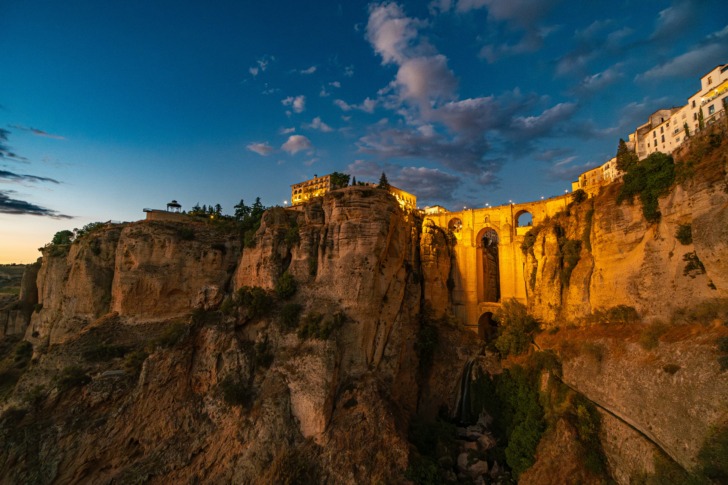
Ronda adds drama with its gorge and iconic bridge.
Step away from the viewpoints, and the town feels surprisingly calm.
These destinations share one trait: they slow your pace, and that’s when Spain becomes most memorable.
Planning Smart: What Actually Works
Many trips fall apart when travelers try to do too much, leading to rushed experiences that prevent them from fully enjoying Spain’s culture and scenery.
Spain destinations may look compact, but traveling takes time.
- 5–7 days → focus on one region (for example, Andalusia or Catalonia)
- 8–10 days → realistically combine two regions
- 10–14 days → mix cities with coastal areas without rushing
Season matters too.
Summer suits beaches, but inland cities can be intense.
Spring and early autumn often offer the best balance.
If you want a deeper breakdown of routes and realistic itineraries across different Spanish destinations, Next Level of Travel shares practical, experience-based guides to help you plan your trip more efficiently.
What to Take Away
Spain rewards thoughtful planning.
Instead of rushing through highlights, choose places that match your pace, whether that’s slow coastal days or city exploration.
The best places to visit in Spain aren’t just the most famous; they’re the ones that fit how you travel.
Use this Spain travel guide as a starting point, adjust it to your style, and you’ll end up with a trip that feels natural rather than rushed.
Additional Resources
 7 Best Places to Visit in Europe
 12 Cheapest Places to Live in Spain
 Calling All Digital Nomads: These Are the Best Cities in Spain for Remote Work
 Gay Travel in Australia: A Guide of Handy Tips, Festivals and More
 Best Places in Europe to Visit With Thrilling Casino Nightlife
 Travel Abroad Safely: Practical Digital Security Tips For Confident Trips












I didn’t expect the pintxos hopping in San Sebastián to feel like such a chill but perfectly timed way to spend an evening.
Walking around Barcelona, I loved how easy it was to hop between neighborhoods and grab a quick bite before hitting the beach without feeling rushed.