Most Mediterranean summer trips are built around someone else’s clock.
Check-in times, tour departures, and fixed hotel stays all decide the pace before the traveler arrives.
That structure works fine in theory.
In practice, it often means standing in the same crowded square as everyone else at the exact hour everyone else is told to be there.
This guide looks at what actually changes when travelers control their own schedule in the Greek islands, and how that shift affects both the experience and the safety side of a trip.
Key Takeaways
Fixed itineraries concentrate travelers in the same places at the same times, which raises both crowding and petty crime risk.
Greece rates as a safe, low-risk destination overall, but popular spots get significantly busier in July and August.
Private villa stays allow full control over pace, timing, and which islands to prioritize.
A short comparison shows how a self-paced trip differs from a tightly scheduled one.
Small planning choices, like renting a car with the right documents, matter more than most travelers expect.
The Real Cost of a Fixed Itinerary
Greece consistently rates as a low-risk destination for travelers, and most visits pass without incident.
Even so, the main risks that do exist, pickpocketing and tourist-focused scams, cluster around the busiest, most predictable spots at the busiest, most predictable hours.
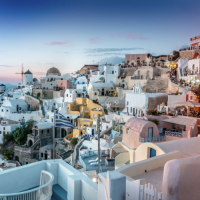
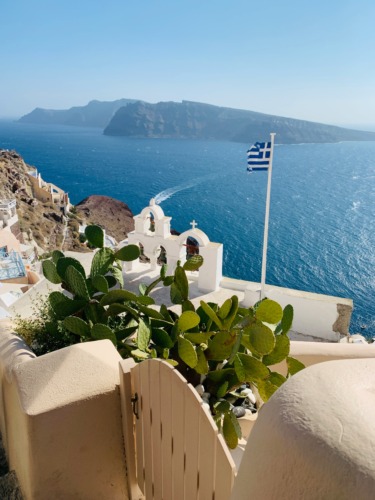
Santorini and Mykonos get especially crowded in July and August, which is exactly when a fixed hotel or tour schedule usually forces travelers to be there.
A look at Santorini-specific safety details shows how much this shifts by season.
A rigid itinerary does not just limit flexibility.
It often puts travelers in the highest density moments a destination has to offer.
What Changes When Travelers Control Their Own Schedule
A private villa stay flips that structure.
Instead of one fixed base with set hours, travelers set their own pace across islands and days.
Properties like Greek villa rentals by Bright Blue Villas illustrate this well, with locations across Mykonos, Paros, and Santorini that let a group choose when to explore, when to stay in, and when to move to the next island entirely on their own timeline.
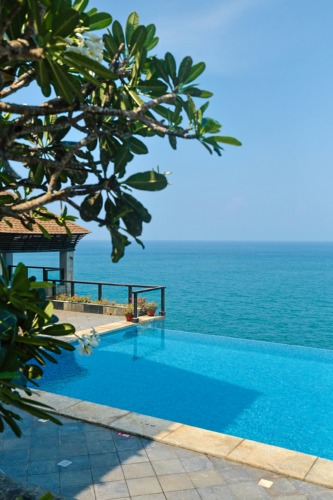
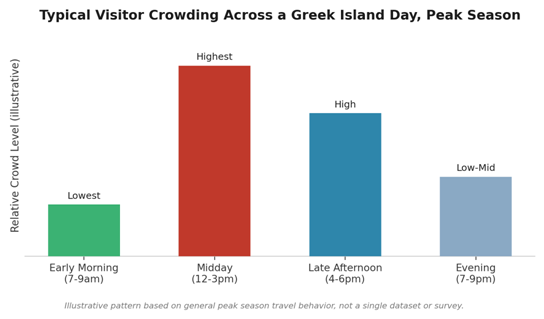
That kind of control means avoiding a crowded square at noon simply by choosing to visit at seven in the evening instead.
It also means multi-island trips can be planned around weather, ferry timing, and personal energy rather than a check-in deadline.
Slow Travel Is Not a Passing Trend
Greek tourism coverage increasingly points to a shift toward quieter islands and slower, more spread-out travel patterns, moving away from the same handful of overcrowded hotspots each July and August.
That shift lines up with what many travelers already notice firsthand.
A trip planned around personal pace tends to feel calmer and safer than one built around someone else’s schedule.
It also spreads visitor numbers more evenly across the wider range of Greek islands, which is generally better for the islands themselves.
Fixed Schedule vs Self-Paced Villa Stay
The difference is easiest to see side by side.
| Travel Style | Daily Pace | Crowd Exposure | Flexibility to Change Plans |
|---|---|---|---|
| Fixed hotel or tour | Set by check in and tour times | High during peak hours | Low, changes cost time or money |
| Self paced villa stay | Set by the traveler | Adjustable to avoid peak crowds | High, plans shift day to day |
Building a Mediterranean Schedule That Actually Works
A few practical steps make self-paced travel easier to plan.
Renting a car opens up far more flexibility, but non-EU visitors need an International Driving Permit, and island roads can be narrow and busy in peak season.
Reviewing general safety guidance before departure, including where petty crime tends to cluster, helps travelers plan routes and timing with more confidence.
The chart below shows how visitor crowding tends to shift across a typical Greek island day, based on general travel patterns rather than a single dataset.
Frequently Asked Questions
Is Greece safe to visit in summer?
Yes.
Greece rates as a low-risk destination overall, with most concerns limited to pickpocketing and scams in the busiest tourist areas.
Do I need an International Driving Permit to rent a car in Greece?
Non-EU visitors typically do.
It is worth confirming requirements with the rental company before arrival.
Is slow travel more expensive than a packaged trip?
Not necessarily.
It shifts costs toward accommodation and transport flexibility rather than fixed tour pricing.
A Mediterranean summer does not have to run on someone else’s clock.
Choosing when and how to move through the islands changes both the experience and the risk profile of the trip.
For travelers planning their own route, reviewing broader Greece travel safety guidance is a useful place to start before booking anything else.
Which Greek islands work best for a self-paced trip?
Mykonos, Paros, and Santorini are popular choices with enough distance between them to make flexible, multi-island planning worthwhile.
Is a villa stay actually safer than a hotel in peak season?
Not inherently safer, but it reduces exposure to the most crowded times and places, which is where most petty crime tends to occur.