



Russia’s war against Ukraine is ongoing and continues to create serious safety risks across the region. Military activity, transportation disruptions, and rapidly changing conditions can affect both Russia and nearby areas.
At this time, we do not recommend travel to Russia or Ukraine. Travelers should also use extra caution when considering nearby destinations, as conditions can change quickly.
 Russia : Safety by City
Russia - safety as a country
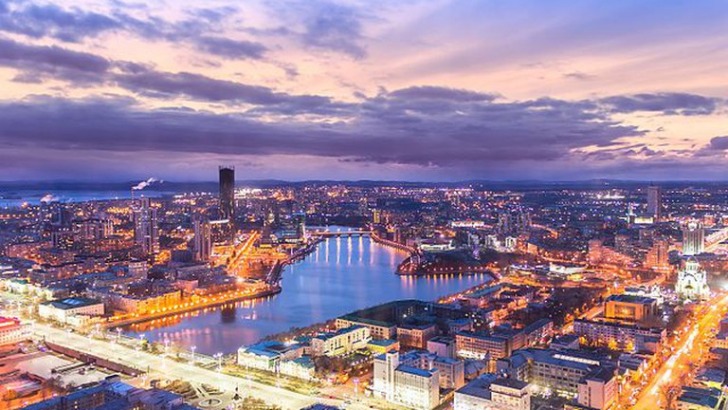
Yekaterinburg sits on the eastern side of the Ural Mountains, a city that quite literally straddles the edge of Europe and Asia.
That alone gives it a certain pull.
It is one of Russia’s biggest urban centers, known for its industrial power, grand avenues, Orthodox churches, modern skyscrapers, and deep historical weight tied to the Romanov family.
On the surface, it feels less touristy than Moscow or Saint Petersburg, which can make it appealing to travelers who want something more local and less polished.
But Yekaterinburg is also a place where the normal city safety questions overlap with much bigger political and security concerns.
So while the city itself can feel manageable in day-to-day terms, the wider reality of traveling to Russia right now makes this a far more complicated destination than it might first appear.
Warnings & Dangers in Yekaterinburg

OVERALL RISK: HIGH
Yekaterinburg’s local street crime risk is not what makes this destination especially difficult right now. The bigger issue is that travel to Russia carries serious broader risks tied to the political situation, reduced consular support for many foreign nationals, changing regulations, and the possibility of sudden disruptions. That pushes the overall risk into the high category.

TRANSPORT & TAXIS RISK: MEDIUM
Public transport in Yekaterinburg is generally usable, and taxis booked through major apps are usually safer than hailing random cars on the street. The main risks are overcharging by unofficial drivers, language barriers, and occasional confusion around routes or payment methods. Late at night, it is smarter to use booked transport rather than improvise.

PICKPOCKETS RISK: MEDIUM
Pickpocketing is not the city’s biggest headline danger, but it can happen in crowded areas, transport hubs, shopping centers, and busy public transit. Travelers who look distracted or obviously unfamiliar with their surroundings are easier targets. Keep your phone, wallet, and documents secure, especially on the metro, trams, and in busy commercial districts.

NATURAL DISASTERS RISK: LOW
Yekaterinburg is not known for extreme natural disaster risk on the level of earthquake zones, tropical storm regions, or flood-prone coastal cities. Winters can be severe, though, and that creates its own hazards, including icy sidewalks, dangerous road conditions, and transport delays. Weather is a practical safety issue here, especially from late autumn into early spring.

MUGGING RISK: MEDIUM
Violent street crime is not usually the first thing travelers report in Yekaterinburg, but muggings and aggressive encounters can happen, especially at night or in isolated areas. Alcohol often plays a role in late-night incidents. Staying in central, well-lit areas and avoiding deserted streets after dark greatly lowers the chance of problems.

TERRORISM RISK: MEDIUM
The terrorism risk in Yekaterinburg is not as visibly pronounced as in some higher-profile global hotspots, but Russia as a whole faces security concerns, and public places can never be treated as risk-free. Transport hubs, large events, and crowded venues deserve extra awareness. The wider security environment in the country makes this a concern that travelers should not dismiss.

SCAMS RISK: MEDIUM
The most common scams tend to be practical rather than elaborate. Think unofficial taxis, inflated prices, fake assistance, nightlife overcharging, or petty tourist targeting. Foreign travelers can also run into bureaucratic problems if they ignore registration rules, payment issues, or documentation requirements. In Yekaterinburg, being careless with paperwork can be just as costly as a classic scam.

WOMEN TRAVELERS RISK: MEDIUM
Women can travel in Yekaterinburg, but caution is important, especially for solo travelers out at night. Many visits pass without incident, yet unwanted attention, drunken behavior, and vulnerability in isolated areas remain concerns. Dressing modestly, using trusted transport, and avoiding late-night solo walks can make a meaningful difference in overall comfort and safety.

TAP WATER RISK: MEDIUM
Tap water in Yekaterinburg is not something I would recommend relying on as a visitor. Locals may use it for cooking or boiling, but travelers often do better with bottled or properly filtered water, especially if they have sensitive stomachs. The risk is less about a guaranteed problem and more about avoiding unnecessary digestive trouble during the trip.
Safest Places to Visit in Yekaterinburg
City Center And Historic Core
The central districts are usually the easiest and safest places for travelers to navigate.
This is where you will find wider streets, better lighting, more visible policing, major hotels, restaurants, museums, and a steadier flow of people throughout the day.
Walking around the historic center near Plotinka and the river embankment tends to feel more comfortable than wandering into remote outer neighborhoods.
Plotinka And The Iset River Embankment
Plotinka is one of the city’s best-known gathering spots and a natural place for visitors to start.
The area around the Iset River has a lively but generally manageable atmosphere, especially during the daytime and early evening.
It is good for casual walks, photos, and getting a feel for the city without diving too far off the tourist path.
Church On The Blood And Nearby Cultural Sites
This area combines historical importance with a relatively central location.
Travelers interested in the Romanov story usually stop here, and because it is one of the city’s better-known landmarks, it tends to be easier to reach and easier to understand logistically than more obscure parts of town.
As always, daytime visits are the safest bet.
Vaynera Street
Often described as a pedestrian shopping street, Vaynera Street is one of the more comfortable places for visitors who want a simple urban stroll with shops, cafes, and people around.
That steady foot traffic helps.
It is not risk-free, especially for pickpocketing, but it is generally one of the more approachable areas for travelers.
Places to Avoid in Yekaterinburg
Isolated Outskirts At Night
The biggest areas I would be cautious about are not necessarily famous danger zones with names every tourist knows.
It is more about the city’s outer residential or industrial edges, especially after dark.
The further you get from the center, the less useful you may find public transit, lighting, English support, and the comforting presence of other travelers.
Poorly Lit Parks And Underpasses
Even in relatively ordinary cities, poorly lit spaces can become trouble spots after dark, and Yekaterinburg is no exception.
Empty underpasses, quiet side streets, and isolated park paths are all places where petty crime, harassment, or uncomfortable encounters are more likely.
These are not the places to test your sense of adventure at midnight.
Around Nightlife Zones Late At Night
Busy entertainment areas are not automatically dangerous, but the risk rises after midnight when alcohol enters the picture.
Arguments, aggressive behavior, inflated bar bills, and opportunistic theft become more likely.
If you go out, stay aware of your drink, avoid confrontations, and do not let a random stranger decide where the night continues.
Transport Hubs When Distracted
Rail stations, bus terminals, and airport approach areas are not places to panic about, but they are places to stay sharp.
Travelers juggling bags, phones, cash, and directions are easier targets for scammers and thieves.
Keep documents close, do not flash large amounts of money, and be skeptical of anyone who appears overly eager to “help.”
Safety Tips for Traveling to Yekaterinburg
- Think beyond city crime and consider the country risk first. Before worrying about neighborhoods, remember that the biggest safety issue is the broader environment of traveling to Russia right now. Entry rules, financial restrictions, flight changes, and limited consular support can all affect your trip in ways that have nothing to do with Yekaterinburg itself.
- Use app-based taxis instead of hailing random cars. This is one of the simplest ways to reduce risk. A booked ride gives you a traceable trip, a visible fare estimate, and a lower chance of ending up in a pricing argument. It is especially important at night or when arriving tired from the airport or train station.
- Carry your passport and migration documents securely. In Russia, paperwork matters. Keep original documents safe and carry what you legally need, but do not flash them carelessly. Make digital backups and store copies separately. Losing documents here can turn a simple trip problem into a serious bureaucratic headache.
- Stay in the center, even if it costs a bit more. This is not the city where I would save money by staying far out on the edge. A central hotel means better transport, more people around, easier navigation, and quicker access to help if something goes wrong. Convenience and safety often overlap.
- Avoid political discussions and public demonstrations. This is not a place to test the boundaries of public speech as a visitor. Even casual comments, photos, or social media behavior can carry consequences you may not expect. Keep a low profile and stay away from protests or politically sensitive gatherings.
- Do not wander after midnight just because the city feels calm. A place can look quiet and still become riskier after dark. Empty streets, late-night drinkers, and reduced public activity all change the equation. If you are heading back late, book a car and skip the long walk.
- Keep your phone charged and offline maps downloaded. Language barriers and unfamiliar streets become much more stressful when your battery drops to two percent. Download maps, save your hotel address in Russian, and make sure you can navigate without depending entirely on live internet access.
- Be careful with nightlife spending. Check menus, confirm prices, and watch your card transactions. Nightlife scams often start small and escalate fast. If a venue feels pushy, vague, or too eager to lure you in, trust that instinct and leave.
- Dress for the season, especially in winter. Cold weather in Yekaterinburg is not a cosmetic issue. It can become a real safety problem if you are underdressed. Good boots, warm layers, gloves, and a serious coat are essential in winter. Slippery conditions also mean falls are a genuine risk.
- Have a backup plan for money and transport. Cards may not work the way you expect, and international payment issues can create real problems. Carry some cash, know how you are getting to and from the airport, and have a backup option if your first plan fails. In a place with higher overall travel complexity, redundancy is smart.
So... How Safe Is Yekaterinburg Really?
Yekaterinburg is one of those destinations where two truths exist at once.
On a basic street level, it can feel more orderly and manageable than many travelers might expect.
The city center is navigable, major landmarks are reachable, and ordinary precautions go a long way against the usual urban issues like theft, scams, and late-night trouble.
If this were only a question about local crime, I would not place it among the world’s most intimidating cities.
But that is not the full story.
The real reason Yekaterinburg should be approached cautiously is that it sits inside a much larger national risk environment.
Several governments currently advise against travel to Russia or urge their citizens to leave because of security concerns, the risk of detention or arbitrary enforcement, limited consular assistance, and disruptions linked to the ongoing geopolitical situation.
That changes the math completely.
So my honest view is this: Yekaterinburg itself is not an automatic disaster zone for tourists walking around in daylight.
Yet as a travel destination right now, it carries a high overall risk because the danger is not only about what happens on the street.
It is also about what can happen around you, above you, and beyond your control.
How Does Yekaterinburg Compare?
| City | Safety Index |
|---|---|
| Yekaterinburg |
72 |
| Kazan |
66 |
| Saint Petersburg |
56 |
| Sochi |
66 |
| Nizhny Novgorod |
71 |
| Moscow |
45 |
| Novosibirsk |
76 |
 Goldsboro Goldsboro | 46 |
 Barranquilla Barranquilla | 47 |
 Islamabad Islamabad | 50 |
| Twin Falls | 87 |
 Gangneung Gangneung | 84 |
 Calgary Calgary | 85 |
Useful Information

Visas
Most travelers should check visa eligibility very carefully before planning a trip. Russia uses both regular visas and, for some nationalities, a unified e-visa system. Rules, eligible countries, permitted stay length, and entry procedures can change, so this is not something to guess about. Apply early and make sure your passport, invitation requirements, and registration obligations are fully understood

Currency
The local currency is the Russian ruble. In practice, travelers should not assume their usual foreign bank cards will work smoothly, so relying only on plastic is a bad plan. Bring a sensible amount of cash and exchange it through reputable banks or official exchange points rather than informal offers. Small bills are useful for daily transport and incidental purchases.

Weather
Yekaterinburg has a continental climate, which means cold winters and warm but relatively short summers. Winter can be intensely cold, with snow and icy streets, while spring and autumn can feel raw and unpredictable. Pack in layers, and if you are visiting outside of summer, bring serious cold weather gear rather than stylish but flimsy city clothes.

Airports
The main gateway is Koltsovo Airport, the city’s primary airport and the obvious arrival point for most visitors. It sits outside the center, so you will need a taxi, prearranged transfer, or public transport connection to reach town. Book official transport where possible and know your route before arrival, especially if you land late at night.

Travel Insurance
Travel insurance is essential for Yekaterinburg, and not the bare minimum version either. You want a policy that covers medical issues, cancellations, delays, theft, and emergency disruptions. Read the wording closely, because some insurers limit or exclude coverage for destinations facing elevated government travel warnings. This is one trip where the fine print really matters.
Yekaterinburg Weather Averages (Temperatures)
Average High/Low Temperature
| Temperature / Month | Jan | Feb | Mar | Apr | May | Jun | Jul | Aug | Sep | Oct | Nov | Dec |
|---|---|---|---|---|---|---|---|---|---|---|---|---|
| High °C |
-9 | -8 | -1 | 8 | 16 | 21 | 24 | 21 | 14 | 6 | -3 | -8 |
| Low °C |
-16 | -16 | -9 | -1 | 5 | 10 | 13 | 11 | 6 | 0 | -9 | -15 |
| High °F |
16 | 18 | 30 | 46 | 61 | 70 | 75 | 70 | 57 | 43 | 27 | 18 |
| Low °F |
3 | 3 | 16 | 30 | 41 | 50 | 55 | 52 | 43 | 32 | 16 | 5 |
Russia - Safety by City
| City | Safety Index |
|---|---|
| Kazan | 66 |
| Moscow | 45 |
| Nizhny Novgorod | 71 |
| Novosibirsk | 76 |
| Saint Petersburg | 56 |
| Sochi | 66 |
| Yekaterinburg | 72 |













Great city!
I have been to Yekaterinburg 4 times and never once did I have issues with crime. Compared to several cities within the US, it is much safer. I feel the cops in general do a better job at managing crime compared to places like L.A. and NYC. I am hoping to go again in the coming years. It has been 3 years now since I have gotten to go anywhere.
Went to Ganina Yama and okay, heavy stuff, but honestly the fact the nearest downhill resort is only about 25 minutes from the center keeps me coming back even when the freezing wind and lift queues make me question my life choices.
Walking down one of the grand avenues past an Orthodox church and then a modern skyscraper, I kept wondering how people here actually balance the everyday normal with that larger political unease.
I spent a few afternoons wandering those wide streets and the mix of old churches and glass towers really stuck with me; did you feel like the city’s history weighs on you when you walk around?
Sure, nothing says relaxing vacation like casually brushing up against a whole continent boundary and a side of geopolitical stress.
The mix of old churches and new skyscrapers there really gives the city a cool vibe that stays with you.
Walking around Yekaterinburg, I was struck by how the mix of old churches and modern buildings gives the city a vibe that feels both familiar and completely different at the same time.