


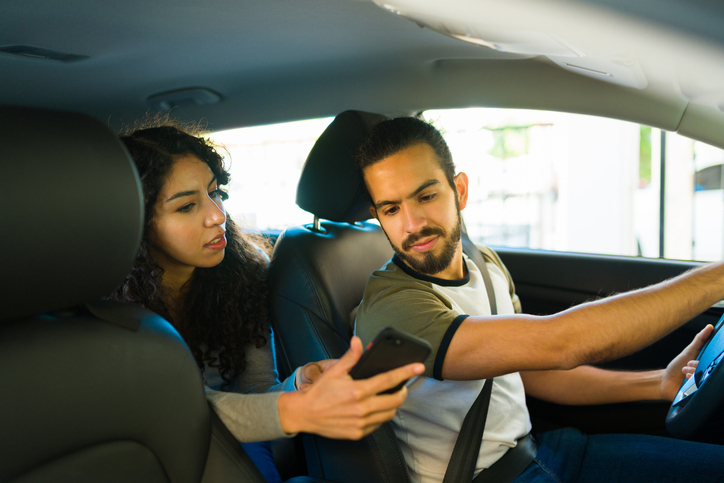
Rideshares are baked into modern travel.
You land, your brain is mush, you open an app, and a few minutes later, someone else is doing the driving.
In a lot of places, that feels safer than guessing which cab is legitimate or trying to decode a bus map while dragging a suitcase.
Still, rideshares can lull you into autopilot.
When you’re jet-lagged, rushing to make a dinner reservation, or heading back to your hotel after a long day, it’s easy to miss the details that actually protect you.
And travel adds complications you don’t deal with at home.
Laws vary.
Oversight varies.
Social norms vary.
Even the way drivers are screened can change from one city to the next.
None of this means you should avoid rideshares altogether.
It means you should treat them like any other travel tool: useful, sometimes necessary, and worth using with a little skepticism.
A few habits, plus a clear sense of what “off” looks like, go a long way.
Travel puts you in a slightly dependent position.
You’re the outsider.
You don’t always know the neighborhood.
You may not speak the language.
You may not even know what counts as “normal” behavior where you are.
Rideshares often amplify that, because you’re alone with a stranger who knows the city better than you do.
Regulation is a big variable.
In some places, driver screening is thorough.
In others, it’s light or inconsistently enforced.
That can mean fewer checks, weaker verification, or less follow-through when riders report problems.
The app can look familiar, while the safeguards behind it are anything but.
Then there’s impersonation.
Tourist zones attract opportunists.
Airports, train stations, nightlife districts, and popular landmarks are common pressure points, especially during chaotic pickups.
A traveler who’s tired, distracted, or juggling bags can end up in the wrong car without realizing it until the ride is already underway.
Language barriers can turn a small issue into a bigger one.
If you can’t clearly ask why the driver is changing the route, confirm the destination, or shut down a conversation, you have fewer options in the moment.
Add late hours or alcohol, and the margin for error gets thinner.
It’s also worth saying out loud: travelers often ride at the worst times.
Late nights.
Early mornings.
Solo. In unfamiliar areas.
That doesn’t guarantee trouble, but it does create conditions where a bad actor has more leverage.
Awareness is your counterweight.
Red Flags to Watch for Before and During a Ride
Most risky rides don’t start with flashing warning lights.
They start with little inconsistencies, and those get brushed aside because you’re trying to move quickly.
Before you get in, confirm the basics.
If the car, plate, or driver photo doesn’t match the app, stop and reset.
In busy pickup zones, drivers will sometimes wave people in as if they already know who they’re collecting.
That’s not automatically sinister, but it’s a moment where you need to be picky.
Confusion is a tool scammers use.
Cash requests are another obvious flag.
If a driver asks you to cancel the ride and pay them directly, you lose the platform’s tracking and documentation.
The same goes for anything that pulls the ride off-app in general.
If you feel pressure, treat it as a reason to cancel.
During the ride, watch for route behavior and boundary behavior.
Detours happen, traffic happens, and GPS glitches happen.
The difference is how it’s handled.
A normal driver gives a clear reason and doesn’t get irritated when you ask.
Vague answers or defensive reactions are a different story.
Pay attention to personal questions, too.
“How’s your trip going?” is normal.
“Where exactly are you staying?” or “Are you traveling alone?” is where things can get uncomfortable.
If a driver keeps pushing after you give short answers, that’s information.
And if you feel uneasy, you don’t need to build a courtroom case in your head.
Unease is enough to act.
You’re allowed to take it seriously.
What to Do If You Feel Unsafe or an Incident Occurs
If your gut tightens mid-ride, focus on control and visibility.
Ask to end the ride in a public, well-lit place.
Hotels, gas stations, busy storefronts, and main roads with foot traffic.
The goal is simple: get out somewhere you won’t be isolated.
Use whatever safety tools the app offers.
Trip sharing, emergency assistance, and quick support options.
Screenshot your trip details: driver name, license plate, route, and time.
If you can do it without escalating the situation, jot down what happened while it’s fresh.
Memory gets fuzzy fast after adrenaline.
If an assault or serious incident occurs, prioritize medical care.
Even when injuries aren’t obvious, getting checked matters.
Reporting to local authorities is an option, but the reality is that the process can look very different depending on where you are.
Some travelers report immediately.
Others wait until they’re home, in a familiar system, with support around them.
Either way, the priority is your safety and your ability to make decisions without being rushed.
Once back in the United States, some survivors want straight answers about what accountability could look like.
Speaking with a rideshare sexual assault attorney for foreigners can help clarify options and timelines, including whether a civil claim is possible.
That’s not a commitment to anything.
It’s a way to understand your choices.
Most importantly, trust your own pace.
Trauma scrambles the timeline.
There is no single “correct” way to respond.
The best safety habits are practical.
They don’t require paranoia.
They just assume that travel can get messy, and you want a little buffer.
Keep the ride traceable.
Share your trip with someone you trust, and keep location services on while you’re in transit.
Sit in the back seat when you can, ideally behind the passenger side.
It gives you space and makes exits easier if you need them.
Treat personal details like currency.
Spend them carefully.
You don’t need to explain your schedule, your hotel, or whether you’re alone.
Friendly conversation is fine, but you can keep it surface-level without being rude.
Short answers.
Change the subject.
Put in earbuds.
All normal.
Timing makes a difference, too.
Late-night rides, especially after drinking, are where people tend to take shortcuts.
If you’re tired, foggy, or off-balance, slow down.
Wait in a well-lit area.
Ask your hotel to arrange a driver.
Take a licensed cab from a known stand.
The best option is the one that leaves you feeling steady, not stressed.
And use the cancel button without guilt.
If something doesn’t line up, cancel.
Order another ride.
Losing a couple of minutes is a small price for peace of mind.
Rideshare apps have a polished sameness to them.
The safety infrastructure behind them doesn’t.
In the U.S., there are generally defined expectations around screening, reporting, and company responsibilities, even if enforcement varies and gaps exist.
Abroad, standards can swing widely. Some cities require meaningful vetting and clear licensing. Others operate under looser rules, limited oversight, or shifting agreements that change faster than travelers realize.
Enforcement is where things often break down.
In a place with weak oversight, complaints may be handled slowly, inconsistently, or not at all.
That doesn’t mean incidents are uncommon.
It means follow-through can be harder, especially if you’re visiting and leaving soon.
This is why official guidance tends to emphasize local context.
The U.S. State Department stresses researching local transportation conditions and choosing reputable services, since road and transit safety standards can differ sharply from one country to the next.
A familiar app can make you feel covered.
Abroad, your own habits do more of the heavy lifting.
Alternative Transportation Options for Safer Travel
Sometimes the safest move is choosing a different kind of ride.
Hotel-arranged transportation is a strong option for late arrivals, early departures, or any moment where you’d rather pay a bit more and worry a bit less.
Hotels usually work with drivers they know, and there’s a clear trail if something goes wrong.
Licensed taxis can also be a good call in places where they’re regulated and easy to verify.
Look for posted IDs, official markings, and meters where they’re required.
In some destinations, booking a taxi through an app or dispatch service is more reliable than hailing one off the street.
Public transportation can be the best choice in cities with safe, well-lit systems.
It reduces isolation and keeps you around other people.
During busy hours, it can feel far more comfortable than being alone in a car.
The idea isn’t to replace rideshares.
It’s to have options.
When you’re not cornered into one choice, you make better decisions.
Travel safety is mostly about consistency.
When your habits are solid, you don’t have to “think” your way through every decision, especially when you’re tired.
Before booking a ride, take a moment to check the broader safety context of where you’re staying, since strong travel safety habits make it easier to spot situations where a rideshare might not be the best call.
During the ride, stay present.
Keep your phone accessible.
Keep the route visible.
If you feel yourself slipping into autopilot, snap back.
Confirm details.
Sit in the back.
Keep conversation light or minimal.
Those small moves add up.
After the ride, trust your read.
If a driver’s behavior felt wrong, report it through the app even if nothing “happened.”
Patterns are how platforms spot problems, and your report might be the one that connects the dots.
Travel requires trust.
You don’t need to surrender your judgment to get from point A to point B.
Use rideshares when they make sense, skip them when they don’t, and give yourself the freedom to change your mind midstream.
Additional Resources
 7 Essential Tips to Ensure Online Safety While Traveling
 Winter Travel Safety: Staying Warm, Smart, and Well-Hosted
 Going to Yorkshire? Read These Safety Tips First
 How to Avoid Being Lonely When Traveling Abroad Alone: Tips and Tricks
 4 Things You Should Know When Traveling with Glasses
 Is Hotel Wi-Fi Safe? Understanding the Risks












After a long day of exploring, getting into a rideshare felt like a convenient choice until I noticed the driver took a weird detour and didn’t really explain why, which made me realize I should have been more cautious.