


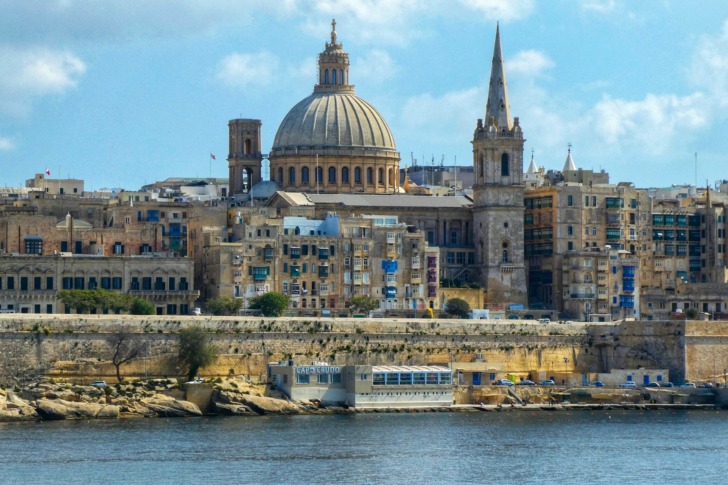
Malta isn’t just a country; it’s a mood.
Sometimes that mood is a relaxed, sun-drenched afternoon with a cold Cisk lager in hand.
Other times, it’s a jackhammer tearing up the pavement outside your bedroom window at 7 AM.
Moving to this tiny rock in the Mediterranean is a collision of dreams and logistics, and how soft that landing feels depends entirely on who you are and, crucially, where your passport was printed.
The Passport Lottery
If you are an EU citizen, you have struck gold.
The door is wide open.
You can book a one-way flight, land at Luqa, and legally start working the next morning.
There is no visa stress.
Your biggest headache will be the eventual trip to the government agency, Identità, to get your residence card.
It’s a rite of passage involving early starts, confusing queues, and a lot of waiting around in a room full of equally bewildered expats.
But it’s doable.
For everyone else, including the Brits post-Brexit, the hill has become significantly steeper over the last two years.
You cannot just turn up and job hunt.
You need a company to sponsor you via the ‘Single Permit’ scheme.
However, as of 2026, it is no longer just about finding a willing employer.
The government has cracked down on “saturation” in certain markets.
Applications for low-skilled roles are now frequently rejected if the authorities decide there are already enough workers in that sector.
The days of easy entry via temping agencies are largely over; the scrutiny is tighter, and the rejection rate is higher.
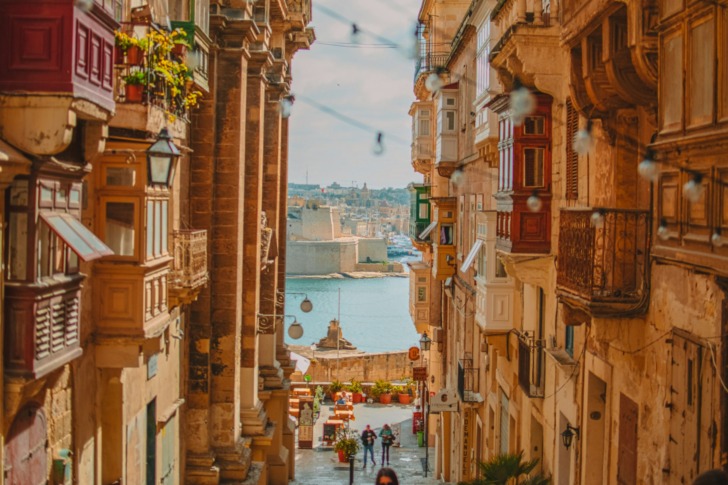
Work: Who Is Hiring?
The economy here is thirsty, but it has become pickier.
While the locals dominate the public sector, the private sector is an expat playground, provided you have the right skills.
- The iGaming Behemoth: This remains the big one. Online gambling companies are everywhere, occupying the shiniest glass towers in Sliema and St Julian’s. They need German- and Finnish-speaking speakers, developers, and customer support agents. The pay is generally excellent compared to the local average, and the office parties are legendary.
- The Digital Nomad Route: If you can work remotely, do not bother with the local job market. The Nomad Residence Permit is now a well-oiled machine. It allows you to live in Malta while keeping your foreign job (and foreign salary). It is the preferred route for tech workers and creatives who want the Mediterranean lifestyle without the local bureaucracy of a Single Permit.
- Finance and Tech: Malta tried hard to be “Blockchain Island.” While the crypto-craze has settled, there is still plenty of work for compliance officers, accountants, and legal eagles.
- Hospitality (The “Skills Pass” Hurdle): If you want to work in a bar or hotel, the jobs are there, but the entry requirements have changed. You can no longer walk in. Non-EU nationals must now obtain a Skills Pass before they can get a work permit. This involves passing an English proficiency test and a hospitality skills course. It adds cost and time to the process, meaning the “find a job in five minutes” dream now comes with a “wait six weeks for certification” reality.
Staying for the Long Haul
Most people come for a year or two, have a blast, and leave when the island fever sets in.
The rock is small, 17 miles long, and you can drive across it in an hour if the traffic isn’t gridlocked (which it usually is).
But what if you want to stay forever?
Permanent residency is a murky soup of regulations.
Wealthy foreigners often buy their way in through investment schemes, but for the average worker, you are looking at years of permit renewals.
In 2025, they introduced Citizenship by Merit in Malta, which is a pathway designed to reward those who bring exceptional talent or cultural value to the country, rather than just a fat chequebook.
Gaining Maltese citizenship solely through merit is an exceptionally rare pathway reserved for individuals who have made significant, high-level contributions to the country in fields like science, sports, or culture.
Unlike standard naturalisation, there is no automatic checklist; it relies entirely on the government’s discretionary power to recognise that your specific talent adds unique prestige to the nation.
Consequently, most expats should view this as a rare honour awarded to the select few, rather than a reliable or guaranteed route to a passport.
Moving to Malta is a trade-off.
You swap efficiency and Amazon Prime next-day delivery for sunshine, safety, and a social life that doesn’t stop.
It’s not the easiest place to settle administratively, especially with the new skills requirements, but once the paperwork is done and you are swimming in the sea after work in October, you’ll realise why so many people stick around.
Additional Resources
 Travel to Malta Gambling Tourism, and How to Stay Legit and Safe
 10 Low-Tech Travel Safety Tips That Still Work in 2025
 Calling All Digital Nomads: These Are the Best Cities in Spain for Remote Work
 Which Island to Choose for Remote Work?
 The Importance of Nomad Travel Insurance and Popular Worldwide Remote Work Destinations
 Future of Work: Are Triple Monitor Setups Becoming the New Norm?











I was pretty surprised how getting that residence card meant standing in a never-ending queue with a bunch of other confused expats.