


Going on a trip to Canada offers the best escape from the daily hustle and bustle.
No wonder it’s at the top of many people’s travel bucket lists.
And what really attracts these people to Canada is its national parks.
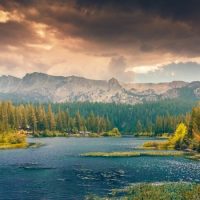
Every one of these spots is brought to life with lush trees, stunning views, and blue waters.
The Canadian wilderness is home to diverse wildlife, including several bear species that travellers may encounter while exploring national parks.
However, these parks don’t just mirror the beauty of nature; they also house mighty beasts.
From grizzly bears to black bears to other wildlife — these parks welcome every creature.
Bear sightings happen, especially in certain areas.
However, attacks on humans are extremely rare.
Most bears will only act aggressively when they feel threatened or are drawn to food.
This article reveals what the real risks are and how to stay safe in the wilderness.
Bear Species Overview
Canada’s extensive forests and calm atmosphere make it the perfect habitat for bears.
And because national parks suit these conditions, you may find bears on hiking trails or grassy fields from time to time.
That is why basic hiking safety practices are essential for anyone exploring these areas.
Just like exploring the wild can be thrilling and sometimes unpredictable, the world of online entertainment can offer its own excitement, safely from home.
Platforms offer rewards like the Stay Casino no deposit bonus, which lets you enjoy that thrill without any additional risks.
But unlike the digital world, the Canadian wilderness brings you face to face with real wildlife, including bears.
Understanding their behaviour is the first step to staying safe.
With that in mind, here are the two main types of bears you’ll find lurking around Canada’s national parks:
Black Bears
Black bears are more common, as there are almost “400,000” in Canada.
They can be found across much of the country, including forests and park areas.
Despite their name, they can be various colours, such as black, brown, cinnamon, and even blonde.
Black bears are not confrontational or aggressive.
However, they may attack to get food or when they are threatened.
Grizzly Bears
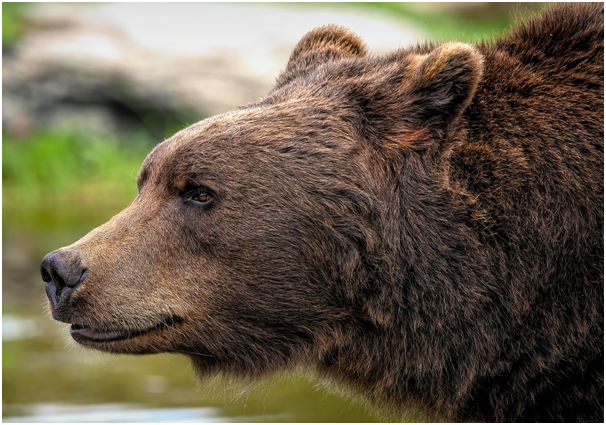
Grizzly bears are larger and more powerful.
They are easily recognized by the hump on their shoulders.
They are mostly found in Alberta, B.C, and the northern territories.
There are over 20,000 grizzly bears in Canada today.
Grizzlies stay in more remote areas.
They are more likely to stand their ground and react defensively when threatened.
What Are the Chances of Bear Encounters in Canada?
When people come to Canada, one of the questions they tend to ask is, “What are the odds of running into a bear?”
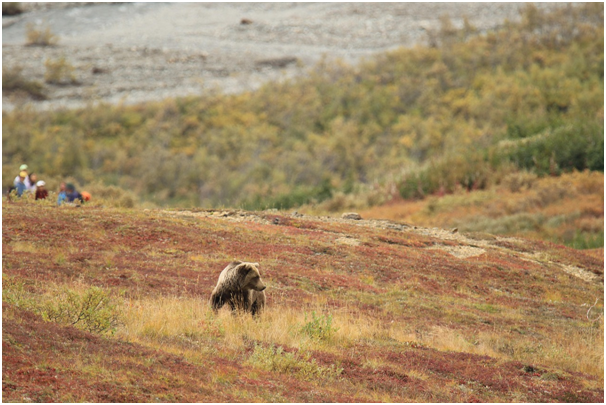
In truth, encounters between humans and bears are rare.
A recent study found about 15 bear encounters over the last decade.
In fact, your chances of seeing a bear depend on when you visit Canada.
Below is a breakdown of the seasonal activities of bears:
Spring: Food becomes scarce during this time.
So, bears move around to search for meals.
This increases your chances of spotting them.
- Summer: This is usually the peak tourist season. As such, the chances of encounters increase.
- Fall: This is their highest activity period. They eat nonstop and prepare for winter. This makes it easier to spot them.
- Winter: During the cold months, bears leave the scene to hibernate in their dens.
Parks With Higher Bear Sightings
There are thousands of bears scattered around Canada’s national parks.
It’s just that some spots house more bears than others.
The table below highlights the national parks with the most bear sightings:
| National Park | Grizzly Bears | Black Bears |
|---|---|---|
| Banff National Park | About 65 | About 25 to 40 |
| Jasper National Park | About 109 | About 90 |
| Yoho National Park | About 11 to 15 | About 20 to 50 |
| Kootenay National Park | About 10 to 20 | About 25 to 50 |
Tourist Safety Measures and Wildlife Precautions in Canada
Exploring Canada’s national parks is an incredible experience.
However, it’s important to be mindful of wildlife.
Bears can appear anywhere — on hiking trails, near rivers, or even in open plains.
As such, you have to stay alert and be careful.
Visiting the parks is safest when you know how to navigate bear country.
Think of it the same way you would approach a trusted, secure platform like Spincity Casino — everything feels comfortable when the environment is well-managed, and the guidelines are clear.
In the wilderness, following a few proven safety practices provides that same sense of confidence and protection.
Below are some of the most reliable wildlife safety measures to follow:
- Move in groups to make a louder noise. Bears will literally walk away from where they sense human interactions.
- Stick to the marked trails and avoid places where you cannot see ahead.
- Ensure you are not caught off guard. Be vigilant, especially near streams or in windy areas.
- Avoid leaving food carelessly, as the smell can draw bears. Use bear-resistant containers and lockers for added protection.
- Always carry bear spray. Don’t run and back away slowly in case of a sudden encounter.
Real Life Bear Encounters in Canada
Bear encounters don’t happen all the time.
When they happen, it’s always fatal.
In fact, reports have it that some of the encounters led to death.
However, others caused life-altering injuries.
Below are popular examples of bear encounters over the years:
- David Lertzman (2021): David was attacked by a grizzly bear near his home in Waiparous village.
- Doug Inglis & Jenny Gusse (2023): Both were found dead within Banff National Park. The injuries indicated a grizzly bear had attacked them.
- Daniel Ward O’Connor (2015): Daniel was killed by a black bear at his campsite in B.C.
Conclusion
Canada’s national parks offer an opportunity to witness wildlife and appreciate the balance of nature.
It is an adventure that requires a proper plan and handy tips to make every moment a memorable learning experience.
It is advisable to move in groups and stay on the trail.
Avoid areas with apparent bear activity, such as berry patches or carcasses.
In the end, the real value is in experiencing the wild responsibly.
Go with the mindset that humans and bears can coexist peacefully.















We spotted a black bear just off the trail near the river, and honestly it was more curious than scary but definitely made me keep my bear spray handy.
I saw a black bear just off the trail last fall, and even though it was calm, my heart was racing like crazy.