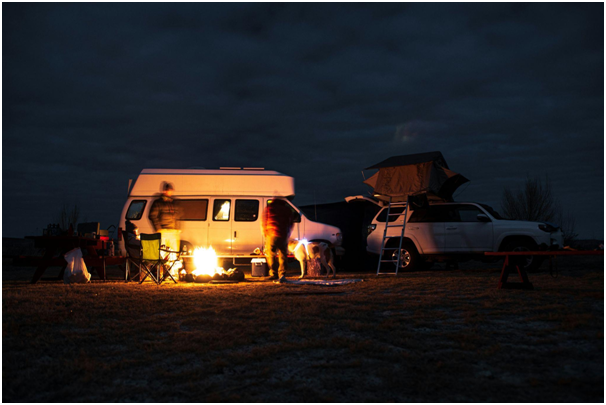
Iceland offers a remarkable setting for camper travelers, with its diverse terrain ranging from volcanic fields to rugged highlands.
Exploring this environment requires careful consideration of the type of vehicle used, especially given the country’s challenging road conditions.
Selecting a 4×4 camper is essential for venturing onto Iceland’s F-Roads—routes that lead into remote and often rough areas inaccessible by standard vehicles.
These roads demand specific capabilities from vehicles to handle uneven gravel, river crossings, and steep inclines, making the right camper choice a key factor in both comfort and safety during the journey.
This article focuses on the benefits of 4×4 camper rentals and guides navigating Iceland’s F-Roads with confidence.
Why 4×4 Campers Are Essential for Iceland’s F-Roads
F-Roads in Iceland refer to highland mountain routes that provide access to remote areas beyond the main paved roads.
These routes often consist of gravel, dirt tracks, and challenging terrain, including rough surfaces and river crossings.
The terrain can be unpredictable, with loose gravel, uneven ground, and varying elevations requiring careful vehicle control.
4×4 campers are built to handle these conditions by offering enhanced traction and stability.
Their higher ground clearance protects the vehicle from damage caused by rocks and uneven surfaces.
The four-wheel-drive system delivers power to all wheels, improving grip on loose or slippery terrain commonly found on F-Roads.
This capability reduces the risk of getting stuck and increases control on steep inclines and declines.
When selecting a 4×4 camper for travel on F-Roads, it is important to review vehicle specifications such as engine power, clearance height, and drivetrain type.
Insurance options should also be considered carefully, as many rental providers offer coverage that specifically addresses the risks associated with highland driving.
Confirming these details before departure helps prepare for the unique demands of F-Road travel and supports a safer journey.
Key Safety Guidelines for Driving on Icelandic F-Roads
Preparing thoroughly before driving on Icelandic F-Roads improves safety and the travel experience.
Checking weather forecasts and planning routes ahead helps anticipate challenges.
Carrying communication devices, such as a fully charged phone or a satellite messenger, supports staying connected in remote areas.
When driving on gravel or uneven surfaces, maintaining a steady, moderate speed reduces wear on the vehicle and improves control.
Adjust steering smoothly to handle loose stones and uneven ground.
Crossing rivers requires assessing water depth and flow carefully before entering.
Enter slowly and steadily, avoiding sudden acceleration or braking to maintain stability.
Speed control remains important throughout the journey.
Driving at a consistent pace helps prevent accidents and minimize damage to fragile surroundings.
Staying strictly on marked tracks preserves the environment and protects sensitive terrain.
Being ready for emergencies includes carrying basic repair tools, spare tires, and extra fuel.
Familiarity with simple vehicle troubleshooting and having contact details for local rescue services can make a significant difference if difficulties arise.
Remaining calm and methodical when issues occur supports effective problem-solving during remote travel.
When tackling Iceland’s F-Roads, vehicle safety isn’t optional; it’s fundamental.
Opting for a 4×4 campervan built specifically for off-road travel ensures traction, clearance, and structural integrity across river crossings and gravel gradients.
A rental from a company like CampEasy includes essential protections such as gravel coverage and 4×4 Zero Risk insurance, giving travelers peace of mind while navigating Iceland’s most remote highland routes.
Understanding Icelandic Regulations and Seasonal Access
Icelandic regulations set clear rules for driving on F-Roads to protect both travelers and the environment.
These roads open mainly during the summer months when weather conditions permit safe passage.
Outside this period, access is limited to prevent damage and reduce risk.
Driving on F-Roads outside designated times or without proper authorization may result in penalties and fines.
Local authorities monitor road conditions closely and provide regular updates, which are essential for planning travel.
Keeping track of these reports helps travelers adjust routes and schedules as needed.
Official resources, including websites and local offices, offer reliable information on closures, weather changes, and safety alerts.
Respecting regulations contributes to preserving Iceland’s fragile terrain and supports the safety of all road users.
Observing seasonal restrictions and legal requirements benefits both visitors and the natural environment.
Reynisfjara, a world-famous black-sand beach located near the village of Vík í Mýrdal in southern Iceland
Additional Tips for a Successful 4×4 Camper Experience
Choosing a dependable rental company greatly influences your overall experience.
Look for providers known for responsive customer service and positive reviews from travelers with similar plans.
Rental packages that include extras such as GPS units, camping equipment, or the option to add additional drivers can enhance comfort and convenience during your trip.
When preparing for remote areas, bring sufficient supplies, including non-perishable food, ample water, and essential spare parts or tools to handle minor vehicle issues independently.
Regularly checking apps and websites dedicated to Icelandic travel offers up-to-date information on road conditions and weather, which helps adjust your route and schedule as needed.
Respect for the environment remains a priority; sticking to designated roads and campsites reduces impact on delicate terrain and helps maintain Iceland’s natural appeal for future visitors.
Practicing responsible travel habits contributes to preserving the country’s unique character and beauty throughout your adventure.
Iceland Safety Overview
READ THE FULL REPORT: Iceland Safety Review
| OVERALL RISK | LOW |
|---|---|
| TRANSPORT & TAXIS RISK | LOW |
| PICKPOCKETS RISK | LOW |
| NATURAL DISASTERS RISK | MEDIUM |
| MUGGING RISK | LOW |
| TERRORISM RISK | LOW |
| SCAMS RISK | LOW |
| WOMEN TRAVELERS RISK | LOW |
| TAP WATER RISK | LOW |