


Travelling in Europe doesn’t have to revolve around big meals, late nights, or ticking off landmarks from morning to evening.
Some of the most satisfying trips are slower and more physical.
Europe suits this approach naturally.
Cities are compact, public spaces are meant to be used, and there’s usually a park, trail, or swimming spot close by.
Even urban breaks make it easy to move, soak, cycle, or wander.
Each place in this guide offers a practical, realistic way to stay active or reset, whether it’s walking forest paths, cycling through the city, or spending a few quiet hours in warm mineral water.
Nature Breaks in Dog-Friendly Environments
Nature-focused breaks work best when they slot easily into daily life, and that’s why dog-friendly areas across Europe, especially in the UK, tend to feel relaxed rather than curated.
Trails are well-marked, villages are used to dog walkers passing through, and accommodation often expects muddy boots at the door.
Areas like the Lake District, Northumberland, and the Scottish Highlands offer long stretches of open land where walking becomes the default activity.
Travelling with a dog quietly sets the pace.
Mornings start earlier, routes are chosen with care, and there’s less temptation to rush.
Woodland paths around Grizedale Forest or coastal sections of the South West Coast Path provide steady movement without pressure.
Cafés with outdoor seating and local pubs make stopping simple, which keeps days balanced.
For travellers researching dog-friendly holidays UK, the practical side matters.
Many national parks allow dogs year-round, though livestock areas require leads.
Public transport links in rural regions can be limited, so having a car helps.
The payoff is days built around fresh air and consistent walking rather than packed schedules.
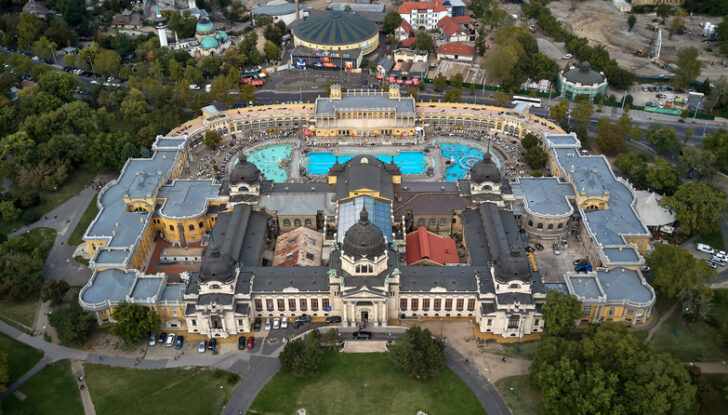
Soaking in Budapest’s Public Baths
Budapest’s bath culture isn’t framed as a luxury experience.
Locals use it as maintenance.
The city sits on natural thermal springs, and the baths are woven into weekly routines rather than special occasions.
Places like Széchenyi and Gellért are the most well-known, but smaller neighbourhood baths such as Lukács often feel more lived-in.
Visitors move between warm pools, cooler plunge areas, and quiet corners where people read or sit without conversation.
It’s social without being chatty. Spending a few hours here eases joint stiffness after days of walking and resets energy levels in a way that coffee doesn’t.
Practical details matter.
Most baths require flip-flops, towels, and swim caps for certain pools, though rentals are usually available.
Mornings tend to be calmer than afternoons.
After a session, walking back through districts like Újlipótváros or along the Danube embankment keeps things light and active.
Roaming Stockholm’s Landscape by Bike
Stockholm feels designed for cycling.
The city spreads across islands connected by bridges, and bike paths run alongside roads without feeling like an afterthought.
Locals commute, shop, and meet friends on two wheels, which makes visitors on bikes blend in quickly.
Cycling allows access to both urban neighbourhoods and quieter waterfront stretches in a single afternoon.
Routes through Djurgården pass museums, woodland, and open water without forcing choices.
A ride through Södermalm shows how residential areas function, with everyday cafés and grocery shops replacing postcard-perfect views.
For travellers wanting context rather than navigation stress, Stockholm private guided bike tours offer structure without rushing, often led by people who cycle these routes daily.
Weather shapes the experience.
Summer brings long daylight hours, while cooler months require layers and good brakes.
Bike hire is straightforward, and helmets are encouraged even if not legally required.
Walking Along Bled’s Lakes and Forests
Lake Bled is small enough to explore entirely on foot, which keeps days simple.
The path circling the lake takes around an hour and a half at an easy pace, with benches and swimming spots breaking it up naturally.
Early mornings are quieter, especially outside peak summer months, and walking then feels unhurried.
Beyond the lake, forest trails climb gently towards viewpoints like Ojstrica and Mala Osojnica.
These paths aren’t really challenging, but good shoes matter after rain.
Locals use them regularly, which keeps routes clear and signposted.
Accommodation tends to be close to trailheads, so there’s little need for transport.
Evenings often involve short walks back through town rather than joining organised activities.
Eating locally caught trout or simple vegetable dishes fits the pace of the place.
Bled doesn’t push visitors to do more.
It quietly rewards those who keep moving.
Exploring a Healthy Diet in Sardinia
Sardinia’s reputation for longevity isn’t treated as a marketing angle locally.
It shows up in how people eat and shop.
Meals revolve around vegetables, legumes, whole grains, and small portions of meat or fish.
Markets in towns like Alghero and Oristano sell produce grown nearby, often by the same families for generations.
Eating well here isn’t about restriction.
It’s about rhythm.
Breakfasts are light, lunches are steady, and dinners happen later but don’t feel heavy.
Walking between meals is common, especially in hill towns where streets rise and fall naturally.
Food becomes part of daily movement rather than a pause from it.
Visitors curious about Sardinia’s diet benefit from staying somewhere with a kitchen.
Cooking with local ingredients makes patterns clear.
Pecorino is eaten sparingly, not piled on.
Bread is dense and filling.
Wine is present but modest.
Summary
Healthy travel in Europe doesn’t require turning a holiday into a project.
The places above work because movement, rest, and sensible eating are already built into everyday life.
Visitors step into routines that locals follow without much thought, and that’s what makes them sustainable.
Walking becomes transport.
Sitting still has a purpose.
Meals support the day instead of dominating it.
What connects these destinations isn’t a trend or a promise of transformation.
It’s practicality.
Trails exist because people use them.
Baths stay open because they matter culturally.
Cycling lanes connect places people actually need to go.
Food reflects what grows nearby and what people can afford to eat regularly.
Travelling this way leaves space for adjustment.
Days can be shorter.
Plans can change.
There’s no pressure to optimise every hour.
Additional Resources
 7 Ways to Stay Healthy When You Travel
 7 Best Places to Visit in Europe
 Uncovering Berlin’s Unique Culture: Fun and Safe Ways to Explore the City
 Best Places in Europe to Visit With Thrilling Casino Nightlife
 8 of Europe’s Best Kept Secrets: Discovering the Lesser Knowns
 Overlooked Dangers in Singapore Trip and Easy Ways to Stay Safe












This really hits something I’ve been quietly craving from travel lately. The way you describe things like just circling Lake Bled on foot or drifting between warm pools in Budapest feels so human sized, like you’re allowed to breathe instead of perform a trip. It makes me want my next holiday to be more about those small, steady moments than chasing another list of sights.
Taking a dip in one of Budapest’s public baths after a long morning walk really helped ease the stiffness in my legs, and the calm vibe there made it easy to just relax without feeling rushed.
I spent a couple of mornings soaking in Lukács Baths in Budapest and honestly, the way the warm water just melts away the stiffness after walking all day beats any cup of coffee I’ve had.
I spent a morning cycling around Stockholm and loved how easy it was to just hop on a bike and ride without worrying about traffic or complicated routes.