


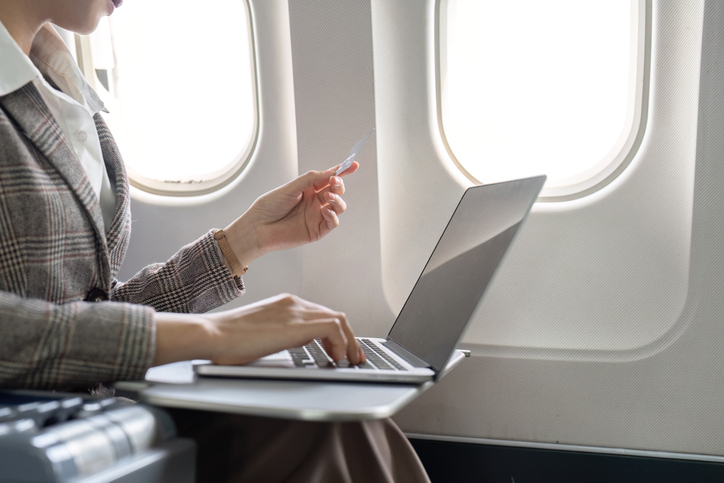
A lot of people imagine long-term travel as something romantic.
Wake up somewhere new.
Open a laptop.
Do a bit of work.
Close it.
Head out to explore.
Repeat.
And honestly, sometimes it really is like that.
But what doesn’t get talked about enough is the part where your income depends entirely on digital platforms while you’re thousands of miles from home.
That changes things.
Suddenly, travel safety isn’t just about neighborhoods or transportation.
It’s about passwords, logins, withdrawals, and whether the platform you’re using will still cooperate when you’re on a different continent.
Most travelers who earn online do at least some research before signing up for new platforms.
Forums and discussion threads are usually the first stop.
For example, this winna scam discussion on BeerMoneyForum shows how users compare experiences and raise concerns about transparency and payouts.
Whether someone agrees with every comment or not, reading those conversations can give you a clearer picture before you rely on a site while abroad.
And here’s why that matters: when you’re home, solving a payment issue is annoying.
When you’re abroad, it can derail your plans entirely.
A delayed withdrawal might mean scrambling to cover accommodation.
A flagged account could leave you stuck without access to funds.
Time zone differences stretch out support responses.
What would normally take hours can take days.
That’s when travel starts to feel less like freedom and more like stress.
The Quiet Shift in How People Travel
Remote work used to be rare.
Now it’s normal.
Entire cities have built communities around digital workers.
You see it everywhere, cafés filled with laptops, co-working spaces booked out weeks in advance, short-term rentals designed for longer stays.
According to data from Statista, millions of people worldwide now identify as digital nomads or remote workers.
That number keeps growing.
This isn’t some niche movement anymore.
But there’s a hidden side to that growth.
When your income moves online, your vulnerabilities do too.
Your phone becomes your bank.
Your laptop becomes your office.
Your email becomes your identity.
Lose access to one of those, and you’re not just inconvenienced, you’re stuck.
The Problem With “It’ll Probably Be Fine”
One thing experienced travelers learn quickly is that “probably fine” isn’t a strategy.
Public Wi-Fi is a good example.
It feels harmless.
Everyone is using it.
You just need to check something quickly.
But unsecured networks are one of the easiest ways for login information to be intercepted.
You may never know it happened until weeks later.
Then there’s the issue of logging in from multiple countries.
Some platforms automatically flag foreign IP addresses.
It’s meant as a security feature, but when you’re constantly crossing borders, it can lock you out at the worst possible moment.
None of this means online earning isn’t possible while traveling.
It absolutely is.
But it requires more thought than people expect.
Cryptocurrency Makes Travel Easier, and Riskier
A lot of digital travelers use cryptocurrency because it avoids exchange counters and foreign transaction fees.
Transfers are quick.
Borders don’t matter.
That flexibility is appealing.
But crypto transactions are typically irreversible.
If something goes wrong, there’s rarely a safety net.
The Federal Trade Commission has repeatedly warned about the rise in cryptocurrency-related fraud and scams, particularly involving unfamiliar platforms and impersonation schemes.
You can read their guidance here:
For travelers, the risk increases because you’re often moving fast.
Booking a flight.
Paying for accommodation.
Sending funds on unstable connections.
Distraction makes mistakes more likely.
And crypto mistakes are rarely fixable.
What Experienced Travelers Do Differently
People who have been doing this for years tend to follow a few quiet rules.
- They test withdrawals before depending on a platform.
- They never keep all their funds in one place.
- They separate spending money from operating money.
- They avoid making urgent financial decisions late at night in unfamiliar places.
Most importantly, they assume that something will eventually go wrong and plan for it.
It’s not pessimism. It’s preparation.
Your Devices Are More Important Than Your Luggage
Losing a backpack is frustrating.
Losing your laptop can end your trip.
That sounds dramatic, but it’s true for anyone earning remotely.
If your work, logins, or authentication apps are tied to a single device, you’ve created a single point of failure.
Backups matter.
So do strong passwords.
So does basic awareness, not leaving devices unattended in shared spaces, not logging into sensitive accounts on random computers, not clicking “urgent” emails when you’re exhausted from travel.
Digital care is part of modern travel safety now.
It just doesn’t look as obvious as locking your suitcase.
Travel Freedom Is Still Worth It
All of this might sound heavy, but it’s not meant to discourage anyone.
Working while traveling can be incredible.
You get to see places most people only visit briefly.
You learn to adapt.
You meet people living life differently.
There’s something deeply satisfying about funding your own mobility.
But freedom works best when it’s supported by awareness.
Research platforms before relying on them.
Read user discussions.
Pay attention to patterns.
Protect your accounts like you protect your passport.
Keep a financial buffer.
Because when everything runs smoothly, remote travel feels effortless.
And when it doesn’t, preparation is what keeps the experience from falling apart.
The goal isn’t paranoia.
It’s resilience.
If you can balance curiosity with caution, the road stays open, and your income stays secure right along with it.
Additional Resources
 Is It Safe to Gamble Online While Traveling Abroad? What Tourists Should Know
 Earn Money While Traveling: Exploring the World Without Breaking the Bank
 7 Essential Tips to Ensure Online Safety While Traveling
 Why Online Entertainment is Now Essential for Michigan Travelers
 Winna Awarded Best Crypto Casino by TravelSafe-Abroad: A Trusted Choice for Secure and Modern Online Gaming
 Digital Detours: Making the Most of Your Travel Downtime Online












I thought working from cafes in Bali would be chill but when my PayPal froze because I logged in from a new country, it totally threw off my trip for a couple of days.
I once got locked out of my account because I logged in from a different country and had to wait three days just to get support back.