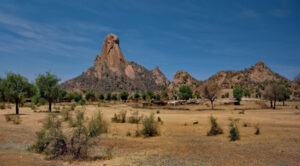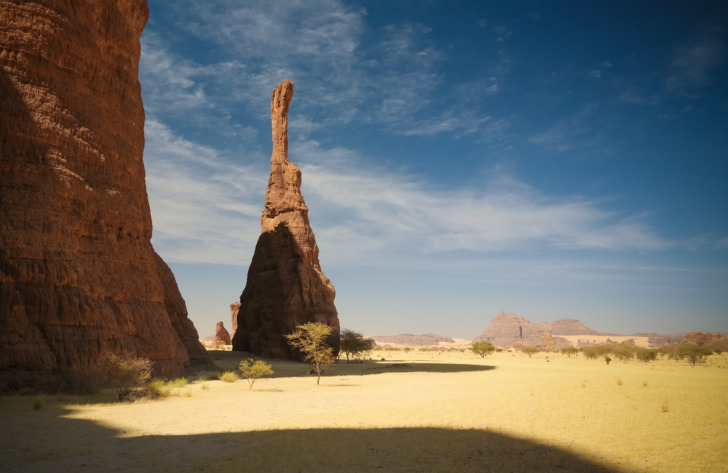
Doba es la capital de la provincia de Logone Oriental en el sur de Chad y un importante centro comercial para la región agrícola y productora de petróleo circundante.
La ciudad se volvió particularmente significativa después del desarrollo de los campos petrolíferos de Doba y el oleoducto Chad-Camerún, que transformaron la economía y la infraestructura de esta parte del país.
Desde una perspectiva de seguridad, Doba es un destino desafiante.
Es considerablemente más pequeña y tranquila que N’Djamena, pero los viajeros no deben interpretar eso como que la ciudad es de bajo riesgo.
El robo a mano armada, el secuestro de vehículos, las malas condiciones de las carreteras, la inestabilidad política, las limitadas instalaciones médicas y la posibilidad de incidentes de seguridad siguen siendo preocupaciones importantes en todo Chad.
La ubicación de Doba fuera de la capital crea otro problema: la asistencia de emergencia y consular es extremadamente limitada.
Los viajes por carretera pueden implicar puntos de control, escasez de combustible, averías, inundaciones durante la temporada de lluvias y largas distancias sin asistencia confiable.
Los visitantes con una razón esencial para viajar deben usar transporte local confiable, evitar movimientos nocturnos, mantener comunicaciones fiables y tener planes de contingencia antes de llegar.
Advertencias y Peligros en Doba

RIESGO GENERAL: ALTO
Doba tiene un alto riesgo general de viaje debido al entorno de seguridad más amplio de Chad, la delincuencia violenta, las preocupaciones por secuestros, la mala infraestructura de emergencia y las condiciones impredecibles de las carreteras. La ciudad en sí puede parecer tranquila, pero la asistencia es extremadamente limitada si ocurre un incidente grave. Los viajeros deben minimizar los desplazamientos innecesarios, usar conductores de confianza y obtener información local de seguridad actualizada antes de cada viaje fuera de la ciudad.

RIESGO EN TAXIS Y TRANSPORTE: ALTO
El transporte es uno de los mayores riesgos prácticos en Doba. Las condiciones de las carreteras varían significativamente, especialmente una vez que los viajeros abandonan las rutas principales. Las motocicletas, los peatones, el ganado, los vehículos mal mantenidos y la iluminación limitada pueden hacer que conducir sea peligroso. Se debe evitar viajar por carretera después del anochecer. Los viajes más largos deben realizarse con conductores experimentados en vehículos confiables que lleven suficiente combustible, agua potable, suministros básicos y equipo de comunicación.

RIESGO DE CARTERISTAS: MEDIO
El robo por carteristas y el hurto oportunista pueden ocurrir alrededor del mercado de Doba, las áreas de transporte y otros lugares concurridos. Los visitantes extranjeros pueden atraer atención porque se asume que llevan efectivo, teléfonos inteligentes u otros objetos de valor. Mantenga las carteras y los teléfonos seguros, lleve solo el dinero que espera usar y evite mostrar aparatos electrónicos costosos innecesariamente.

RIESGO DE DESASTRES NATURALES: MEDIO
Las fuertes lluvias estacionales son el peligro natural más importante que afecta a Doba. La temporada de lluvias puede provocar inundaciones, caminos embarrados, agua estancada y condiciones de viaje difíciles. Las carreteras sin pavimentar fuera de la ciudad pueden deteriorarse rápidamente después de tormentas repetidas. El calor extremo es otra preocupación durante la temporada seca, especialmente antes de que comiencen las lluvias. La deshidratación y el agotamiento por calor pueden volverse graves durante actividades prolongadas al aire libre.

RIESGO DE ASALTO: ALTO
El robo a mano armada y el secuestro de vehículos son preocupaciones serias en Chad, especialmente durante los viajes por carretera fuera de los principales centros urbanos. Los visitantes deben evitar caminar solos después del anochecer y no deben llevar grandes cantidades de dinero ni mostrar relojes, joyas, cámaras o dispositivos electrónicos costosos. Las puertas del vehículo deben permanecer cerradas con llave mientras se viaja, y los viajeros deben evitar paradas innecesarias en áreas aisladas. Si se enfrenta a delincuentes armados, no resista físicamente.

RIESGO DE TERRORISMO: MEDIO
El sur de Chad no es el principal centro de actividad terrorista del país, pero el terrorismo sigue siendo una preocupación de seguridad nacional. Los grupos extremistas están más activos en otras regiones, particularmente alrededor de la cuenca del lago Chad, pero no se pueden descartar completamente ataques e incidentes de seguridad en otros lugares. Evite las instalaciones gubernamentales, las instalaciones militares, las grandes reuniones políticas y los lugares donde las fuerzas de seguridad parezcan estar respondiendo a un incidente.

RIESGO DE ESTAFA: MEDIO
Las estafas turísticas tradicionales son relativamente poco comunes porque Doba recibe muy pocos viajeros de ocio. Los visitantes tienen más probabilidades de encontrarse con precios inflados en el transporte, solicitudes no oficiales de dinero, guías cuestionables o exigencias de pago en los puntos de control. Acuerde los precios del transporte de antemano y organice conductores, guías y alojamiento a través de organizaciones establecidas o contactos de confianza siempre que sea posible.

RIESGO PARA MUJERES VIAJERAS: ALTO
Women traveling in Doba should exercise considerable caution, particularly when traveling alone. Solo nighttime walking should be avoided, and women should not accept transportation from unknown drivers. Traveling into rural areas without trusted local support is also inadvisable. Conservative clothing is appropriate and can help visitors respect local customs while attracting less unnecessary attention.

RIESGO DE BEBER AGUA DE GRIFO: ALTO
Do not drink untreated tap water in Doba. Use sealed bottled water or water that has been properly filtered, boiled, or disinfected. Water availability and quality can vary, particularly during disruptions or in rural communities. Food hygiene also deserves attention. Avoid food that appears to have been stored for extended periods without adequate refrigeration.
Lugares más Seguros para Visitar en Doba
Central Doba
Central Doba is generally the most practical area for visitors because shops, government services, transportation, restaurants, and accommodation are concentrated nearby.
Daytime travel is preferable, and visitors should remain aware of their surroundings even in busy areas.
Avoid carrying unnecessary valuables and arrange transportation before evening whenever possible.
Sainte-Thérèse Cathedral
Sainte-Thérèse Cathedral is one of Doba’s identifiable religious landmarks and serves the local Catholic community.
A daytime visit can provide a quieter look at life in the city.
Dress respectfully, avoid disturbing services, and ask permission before photographing people.
Marché Moderne de Doba
Doba’s main modern market is an important center of everyday commercial activity.
Visitors can see produce, household goods, clothing, food, and other products used by local residents.
The market can become crowded, so keep your wallet and phone secure.
Hygiene conditions can also be poor in parts of the market, making care around food particularly important.
Main Commercial Streets
The busier commercial streets near central Doba are generally preferable to isolated residential areas.
Stores, businesses, restaurants, and regular pedestrian activity provide a more predictable environment during daylight hours.
Visitors should still avoid wandering without a purpose after dark.
Established Hotel Compounds
Established hotels or guesthouses used by business travelers, aid organizations, or oil-industry personnel can provide a more controlled environment than isolated accommodation.
Properties with guarded entrances, secure parking, backup electricity, and arrangements with reliable drivers are preferable.
Travelers unfamiliar with Doba should consider transportation and security arrangements when choosing accommodation, rather than selecting based only on price.
Lugares a Evitar en Doba
Roads Outside Doba After Dark
Avoid traveling outside the city after sunset.
Poor lighting, vehicle breakdowns, road hazards, robbery, carjacking, checkpoints, and limited emergency assistance make nighttime journeys unnecessarily dangerous.
Plan longer trips so they can be completed during daylight.
Isolated Rural Roads
Remote roads and tracks outside Doba should not be explored casually.
Mobile coverage may be inconsistent, assistance can be difficult to obtain, and seasonal rainfall may make roads impassable.
Travel with an experienced driver who knows the route and current local conditions.
Oil Installations Without Authorization
The wider Doba region contains important petroleum infrastructure.
Oil facilities, pipelines, industrial compounds, and associated security areas should not be treated as sightseeing attractions.
Do not enter restricted areas or photograph industrial or security installations without explicit permission.
Political Gatherings and Demonstrations
Avoid demonstrations, political rallies, protests, and confrontations involving security forces.
Political conditions in Chad can change quickly, and gatherings that initially appear peaceful can become unpredictable.
Leave the area immediately if crowds or security forces begin assembling.
Military Installations and Checkpoints
Do not photograph military personnel, government security facilities, checkpoints, airports, or sensitive infrastructure.
When approaching a checkpoint, remain calm, keep identification accessible, and follow the instructions of your driver and local authorities.
Never attempt to force your way through a roadblock.
Tips de Seguridad para Viajar a Doba
- Avoid Road Travel at Night. Poor lighting, dangerous driving, crime, animals, pedestrians, and vehicle breakdowns make nighttime journeys significantly riskier. Complete longer trips before sunset whenever possible.
- Use an Experienced Local Driver. A driver familiar with Doba and Logone Oriental can help with checkpoints, deteriorated roads, fuel availability, and changing local security conditions.
- Check Conditions Before Leaving the City. Security and road conditions can change. Ask reliable local contacts about your intended route before beginning any journey outside Doba.
- Carry Extra Water and Fuel. Fuel shortages and long distances between dependable services can cause problems. Vehicles used for longer journeys should have sufficient fuel, drinking water, food, and basic emergency supplies.
- Protect Yourself Against Mosquitoes. Malaria is a serious risk throughout Chad. Use effective mosquito repellent, wear appropriate clothing, sleep in protected accommodation, and obtain medical advice about malaria prevention before traveling.
- Do Not Photograph Sensitive Locations. Avoid taking pictures of military personnel, checkpoints, government buildings, airports, oil infrastructure, or security operations. Photography around sensitive facilities can result in questioning or detention.
- Keep Cash and Electronics Discreet. Doba is largely cash-based, but carrying large visible amounts is unnecessary. Divide money between secure locations and avoid displaying expensive phones, cameras, laptops, or watches.
- Prepare for the Rainy Season. Roads can become muddy or flooded between roughly May and October. Allow additional travel time and never drive through floodwater when the depth or road condition is uncertain.
- Bring Important Medication With You. Medical facilities and pharmacies are limited compared with those in major international cities. Carry enough prescription medication for the entire trip, plus additional supplies for unexpected delays.
- Have an Emergency Plan. Know where your secure accommodation is, how you would reach a major medical facility, who your trusted local contacts are, and what you would do if roads suddenly become unavailable.
Entonces… ¿Qué tan Seguro es Realmente Doba?
Doba can appear considerably calmer than Chad’s capital or the country’s most unstable regions.
Daily life continues normally much of the time.
Markets operate, businesses open, workers travel to the surrounding oil region, and residents move around the city without experiencing security incidents every day.
For a foreign traveler, however, the consequences of something going wrong are much greater.
Doba is hundreds of kilometers from N’Djamena and outside the area where foreign governments can provide meaningful emergency assistance quickly.
Serious illness, a vehicle accident, robbery, detention, or a sudden security problem may therefore become much more complicated.
Road travel is arguably the greatest everyday danger.
Poor surfaces, reckless driving, motorcycles, pedestrians, livestock, insufficient lighting, fuel shortages, seasonal flooding, and criminal activity combine to make long-distance driving considerably more hazardous than visitors may expect.
Health risks are another important factor.
Malaria is widespread, safe drinking water cannot be assumed, and advanced medical treatment is extremely limited.
Medical evacuation may be necessary for serious conditions.
Security concerns should also not be dismissed simply because southern Chad is generally less associated with terrorism than the Lake Chad region.
Violent crime, political instability, kidnapping, and sudden restrictions on movement remain possible throughout the country.
Travelers with business, humanitarian, oil-industry, family, or other essential reasons to visit Doba should rely heavily on trusted local organizations and carefully planned transportation.
For conventional tourism, Doba remains a high-risk destination.
The city provides an unusual window into southern Chad and the country’s oil-producing heartland, but the combination of crime, dangerous roads, limited healthcare, and minimal emergency support makes independent leisure travel difficult to recommend.
¿Cómo se Compara Doba?
| Ciudad | Índice de Seguridad |
|---|---|
 Doba Doba |
24 |
| N’Djamena |
29 |
| Moundou |
28 |
| Bongor |
25 |
| Pala |
23 |
| Sarh |
26 |
 Harlan Tri-Cities Harlan Tri-Cities | 89 |
| Rosine | 90 |
| Garrison | 79 |
| Kettle Falls | 78 |
 Bombay Bombay | 55 |
| Lanesboro | 82 |
Información Útil

Visados
Most foreign nationals need a visa before traveling to Chad. Entry requirements depend on nationality, and travelers should arrange the correct documentation before departure. Carry your passport and copies of important documents while traveling because identification checks and checkpoints are common. Health documentation, including vaccination records, may also be required depending on your itinerary.

Moneda
Chad uses the Central African CFA franc, abbreviated XAF. Cash is essential in Doba because card acceptance is limited and ATMs may not always be available or reliable. Carry enough money for transportation, accommodation, food, and emergencies while avoiding large, visible amounts of cash.

Clima
Doba has a hot tropical savanna climate. The hottest conditions generally occur before the rainy season, when daytime temperatures can approach or exceed 40°C. Rain becomes much more frequent from approximately May through October, with July, August, and September among the wettest months. Heavy rain can substantially worsen rural road conditions.

Aeropuertos
Doba has a small public airfield, but travelers should not expect reliable scheduled commercial passenger flights. International visitors normally enter Chad through N'Djamena and continue overland or through specially arranged transportation. Doba can also be reached by road through southern cities such as Moundou, but long-distance travel should be planned carefully and completed during daylight.

Seguro de Viaje
Comprehensive travel insurance is extremely important for Doba because serious medical problems may require evacuation to N'Djamena or another country. Standard policies may exclude Chad because of severe travel warnings, so travelers should confirm coverage before departure. Medical evacuation, security evacuation, theft, trip interruption, and emergency transportation are particularly important forms of protection.
Temperaturas medias en Doba
Temperaturas máximas y mínimas
| Temperatura / mes | enero | feb. | marzo | abr. | mayo | jun. | jul. | agosto | set. | oct. | nov. | dic. |
|---|---|---|---|---|---|---|---|---|---|---|---|---|
| Máx. °C |
36 | 38 | 40 | 39 | 36 | 32 | 30 | 29 | 31 | 32 | 34 | 35 |
| Mín. °C |
18 | 20 | 23 | 26 | 24 | 23 | 22 | 22 | 22 | 22 | 19 | 18 |
| Máx. °F |
97 | 100 | 104 | 102 | 97 | 90 | 86 | 84 | 88 | 90 | 93 | 95 |
| Mín. °F |
64 | 68 | 73 | 79 | 75 | 73 | 72 | 72 | 72 | 72 | 66 | 64 |
Chad - Seguridad por Ciudad
| Ciudad | Índice de Seguridad |
|---|---|
| Bongor | 25 |
| Doba | 24 |
| Moundou | 28 |
| N’Djamena | 29 |
| Pala | 23 |
| Sarh | 26 |